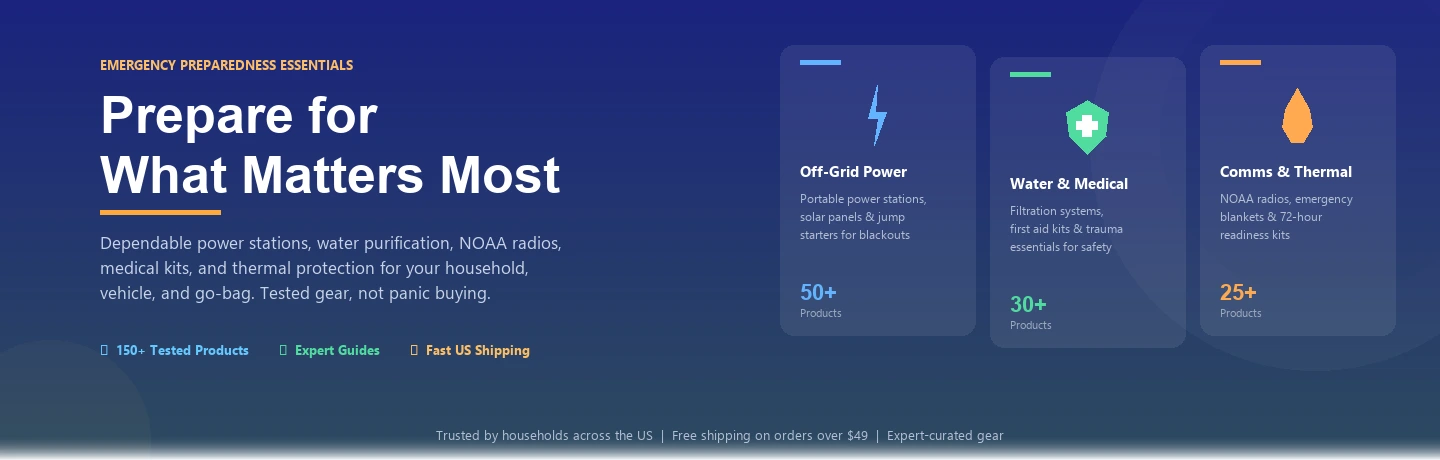
Emergency preparedness for blackouts, storms, and 72-hour readiness
Shop emergency preparedness supplies and emergency preparedness gear for blackouts, storms, road delays, and 72-hour kits. CampEssentials is built for households, vehicles, and mobility kits that need dependable power, clean water, communication, warmth, medical backup, and realistic disaster preparedness supplies without panic buying.
We focus on internationally tested equipment, clear specifications, and practical guides so customers can compare disaster preparedness supplies, fortify the systems that fail first, and protect the people who depend on them when normal support disappears.
Shop Emergency Preparedness Gear | Read preparedness guides
Fortify the systems that break first
Off-Grid Power
Portable power stations, jump starters, battery banks, and folding solar that keep lights, phones, radios, routers, and vehicle kits working when the grid goes dark.
Water & Life Support
Water filters, purification tablets, gravity systems, and storage containers that strengthen your household’s last line of defense when clean water becomes uncertain.
Signal & Field Communication
NOAA radios, GMRS sets, charging discipline, and satellite backup planning for storms, road delays, and no-signal travel.
Medical & Emergency Protection
Modular first aid, trauma essentials, gloves, thermal protection, and fast-access response organization for home, vehicle, and go-bag use.
Thermal Protection & Emergency Blankets
Emergency blankets, bivy sacks, hand warmers, and portable cold-weather layers for winter outages, roadside exposure, and overnight interruptions.
72-Hour Readiness Kits
Modular stock-up systems for food, light, water, communication, warmth, and medical backup so family kits stay organized and usable under pressure.
Search paths we support
- Blackout backup power for phones, radios, routers, and apartment lighting
- Emergency water filtration, purification, and storage for households and vehicle kits
- No-signal travel communication for storms, road delays, and remote routes
- Winter roadside warmth layers, emergency blankets, and cold-stress backup
- 72-hour family stock-up kits that stay realistic instead of overloaded
Trusted gear, not panic buying
We do not build around rumor-driven fear. We build around realistic failure points: power loss, water confidence, signal gaps, cold exposure, and slow access to help. That means stronger internal links, cleaner kit logic, and product collections that help shoppers move from uncertainty to a confident buying decision.
Random readiness gear picks
Rotate through live products from power, water, communication, medical, warmth, and 72-hour categories to spot gaps before they become a problem.
-
Sale!
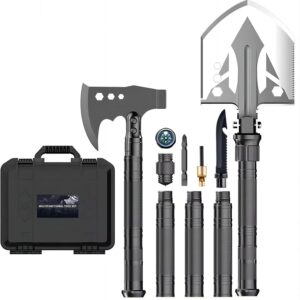
Survival Axe & Hammer Combo
Original price was: $44.99.$18.00Current price is: $18.00. Add to cart -
Sale!
Ohuhu Portable Emergency Gear – for Emergency Preparedness
Original price was: $9.99.$6.99Current price is: $6.99. Add to cart -
Sale!
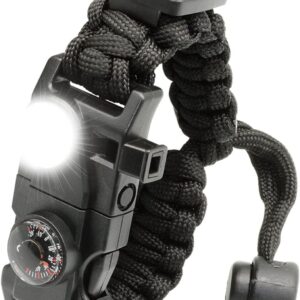
NVioAsport 20-in-1 Paracord Survival Bracelet with SOS LED, Fire Starter, Compass & Whistle
Original price was: $9.99.$3.99Current price is: $3.99. Add to cart -
Sale!
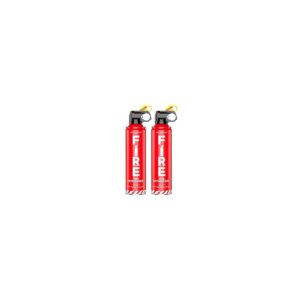
AmzBoom Compact Fire Extinguisher 2-Pack
Original price was: $19.80.$13.86Current price is: $13.86. Add to cart -
Sale!
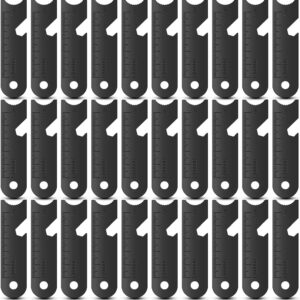
Ferrocerium Fire Steel & Scraper Set
Original price was: $14.99.$6.00Current price is: $6.00. Add to cart -
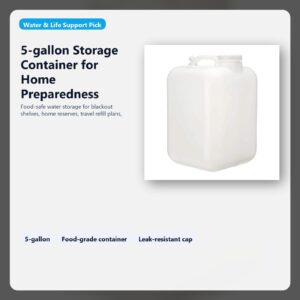
5-gallon Storage Container for Home Preparedness Reserves
$19.19 Add to cart -
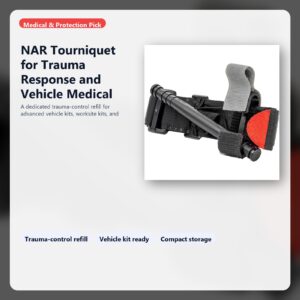
NAR Tourniquet for Trauma Response and Vehicle Medical Kits
$29.99 Add to cart -
Sale!
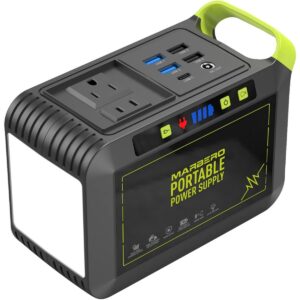
MARBERO Solar-Powered Portable Power Station 88Wh 120W
Original price was: $69.99.$48.99Current price is: $48.99. Select options This product has multiple variants. The options may be chosen on the product page -
Sale!
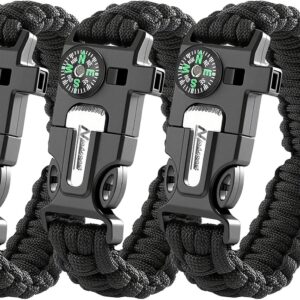
DIHAIMI 5-in-1 Paracord Survival Bracelet 6-Pack with Fire Starter, Compass & Emergency Whistle
Original price was: $11.99.$4.79Current price is: $4.79. Add to cart -
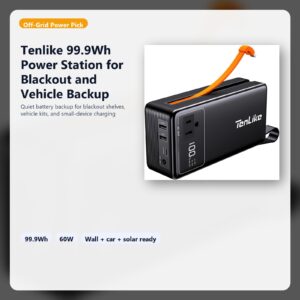
Tenlike 99.9Wh Power Station for Blackout and Vehicle Backup
$47.99 Add to cart -
Sale!
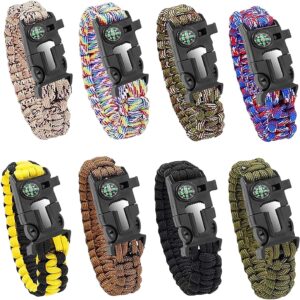
GRSECPO Survival Paracord Bracelet with SOS LED, Compass & Fire Starter
Original price was: $9.99.$3.99Current price is: $3.99. Add to cart -
Sale!
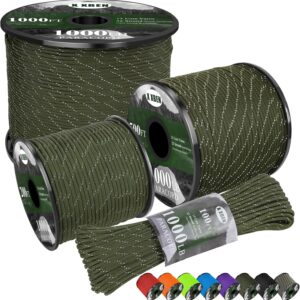
Duufiell Multi-Function SOS LED Paracord Bracelet Set of 2 with Thermometer, Compass & Fire Starter
Original price was: $13.99.$5.59Current price is: $5.59. Add to cart
Guides that help you buy with confidence
- Off-Grid Power Backup Basics
- Emergency Water Filtration and Storage Checklist
- Emergency Radio vs Satellite Messenger
- Modular First Aid Kits for Home, Vehicle, and Field Use
- Self-Heating Emergency Blankets and Warmth Layers
- How to Build a 72-Hour Readiness Kit Without Overpacking
Emergency Preparedness Guides
Expert resources to help you prepare for power outages, natural disasters, and off-grid scenarios.
Frequently Asked Questions
Common questions about emergency preparedness, gear selection, and disaster readiness.
What should I include in a basic emergency kit?+
Start with water (1 gallon per person per day for 3 days), non-perishable food, a portable power station for charging devices, a NOAA weather radio, LED headlamps, a first aid kit, emergency blankets, copies of important documents, cash in small bills, and daily medications. Build in layers: power and water first, then medical and communication.
How long do emergency food supplies last?+
Commercially sealed water pouches last 5 years. Freeze-dried meal kits last 20-25 years unopened. Canned goods last 2-5 years. Energy bars and MREs last 3-5 years. Check expiration dates annually and rotate stock before they expire.
Do I need a generator or a portable power station?+
For most households, a portable power station (300-1000Wh) is safer, quieter, and more practical. Power stations produce zero emissions, are safe indoors, charge via wall outlet or solar, and run silently. Generators provide more sustained power but require outdoor use, gasoline, and maintenance. Choose a power station for apartments and moderate outages.
How do I purify water during an emergency?+
Three methods: (1) Mechanical filtration removes 99.99% of bacteria and protozoa. (2) Purification tablets kill bacteria, viruses, and protozoa in 30-60 minutes. (3) Boiling at a rolling boil for 1 minute kills all pathogens. For maximum safety, filter first, then treat chemically or boil.
What is the best emergency radio?+
Look for NOAA weather band reception with automatic alerts, multiple power sources (USB + hand crank + solar), AM/FM bands, a built-in LED flashlight, and a USB output port for phone charging. A USB-rechargeable radio paired with a power station provides the best reliability.
How often should I check my emergency supplies?+
Quarterly: charge power stations, check water and food dates, test flashlights and radios. Annually: replace energy bars, rotate canned food, inspect blankets, update documents. Every 3 years: replace power stations if battery has degraded, and replace expired water pouches.
Start Building Your Emergency Kit Today
The right gear turns a crisis into an inconvenience. Whether you are preparing for a blackout, a storm, or a roadside breakdown, start with the essentials.
121 Rockwell Avenue, Cleveland, Ohio 44114, USA