Category: Preparedness Guides

Practical guides for off-grid power, water filtration, first aid, communication, and 72-hour readiness planning.

  • Marine Warnings Reveal a Bigger Preparedness Gap Than Most Kits Cover

    Marine Warnings Reveal a Bigger Preparedness Gap Than Most Kits Cover

    You can have a full pantry, a charged power station, and a decent storm plan—and still be badly underprepared the moment rough water, remote roads, or a sudden evacuation enter the picture. That is the uncomfortable lesson hiding inside recent small craft advisories out of Alaska, climate adaptation research from remote Nordic communities, and the broader disaster-recovery conversation happening at international workshops. Preparedness is no longer just about riding out a blackout at home. It is about staying functional when weather turns hazardous, communications thin out, and normal support gets slower, farther away, or both.
    Marine Warnings Reveal a Bigger Preparedness Gap Than Most Kits Cover

    The most useful takeaway is not abstract: if your emergency setup only works in your house, on your driveway, or with a stable cell signal, you have a gap. And that gap gets wider in coastal zones, rural corridors, ferry-dependent towns, and any place where sea state, wind, road conditions, and distance all compound each other.

    Why do marine warnings matter even if you are not a boater?

    Because marine alerts are often an early, brutally honest signal of how quickly conditions can exceed everyday gear and everyday assumptions. Recent Alaska advisories flagged seas of 6 to 8 feet in one area and 7 to 10 feet in another, with sustained winds reaching around 30 knots. That is not just “bad boating weather.” It tells you transportation, resupply, fishing access, harbor movement, and emergency response timelines can all get disrupted.

    If you live in a coastal community, camp near exposed water, depend on ferries, travel in shoulder seasons, or plan overland routes that run parallel to harsh weather zones, those warnings should influence your gear choices. A rough-sea advisory can cascade into delayed deliveries, stranded travelers, slower medevac access, and harder communication conditions. Preparedness starts long before the storm reaches your doorstep.

    Think about the hidden chain reaction:

    • Fuel and food access can tighten when transport slows.
    • Medical access can degrade if small craft, local operators, or connecting routes become unsafe.
    • Search-and-rescue windows narrow when winds and seas build.
    • Power becomes more critical because weather delays often stretch from hours into days.

    That is why a coastal or remote-area readiness plan should be built differently from a suburban outage kit. You need mobility, redundancy, and communication options that do not depend on ideal conditions.

    A smart baseline is to treat severe marine weather the same way you would treat a winter road closure or wildfire evacuation notice: as a logistics warning. You may not be on a boat, but the system around you is still affected.

    What does climate adaptation in remote communities teach about real preparedness?

    The most important lesson is that resilience is not a single product. It is a behavior pattern. Research on small remote Nordic communities shows that people adapt through awareness, everyday routines, and local civic action—not by waiting for a perfect centralized solution. That matters for emergency preparedness because many households still shop as if one big battery or one premium gadget will solve everything.

    It will not.

    Remote communities tend to survive disruptions better when residents normalize a few practical habits:

    1. They track local hazards early instead of reacting late.
    2. They store essentials in layers rather than relying on one stockpile.
    3. They maintain social and communication links before an emergency happens.
    4. They adapt routines seasonally as risks change.

    This is where many emergency kits fail. They are assembled once, sealed up, and forgotten. Real-world adaptation looks more like a living system. Your winter loadout should not match your shoulder-season ferry loadout. Your home blackout kit should not be identical to your truck bag. Your coastal weekend bag should not assume dry, calm, easily navigated conditions.

    If you want one expert-level rule, use this: build for the failure of your first assumption. If you assume roads stay open, prepare for closures. If you assume your phone works, prepare for dead zones. If you assume home is the safest place, prepare for relocation.

    That is why communication gear deserves more attention than it usually gets. A flashlight helps you see. A radio, signal light, whistle, or locator helps other people find you and coordinate with you. For anyone planning for storms, remote travel, shoreline exposure, or low-connectivity areas, a dedicated Field Communication setup is not overkill—it is one of the most practical upgrades you can make.

    Should your backup power plan change if EVs and mobile living are part of the picture?

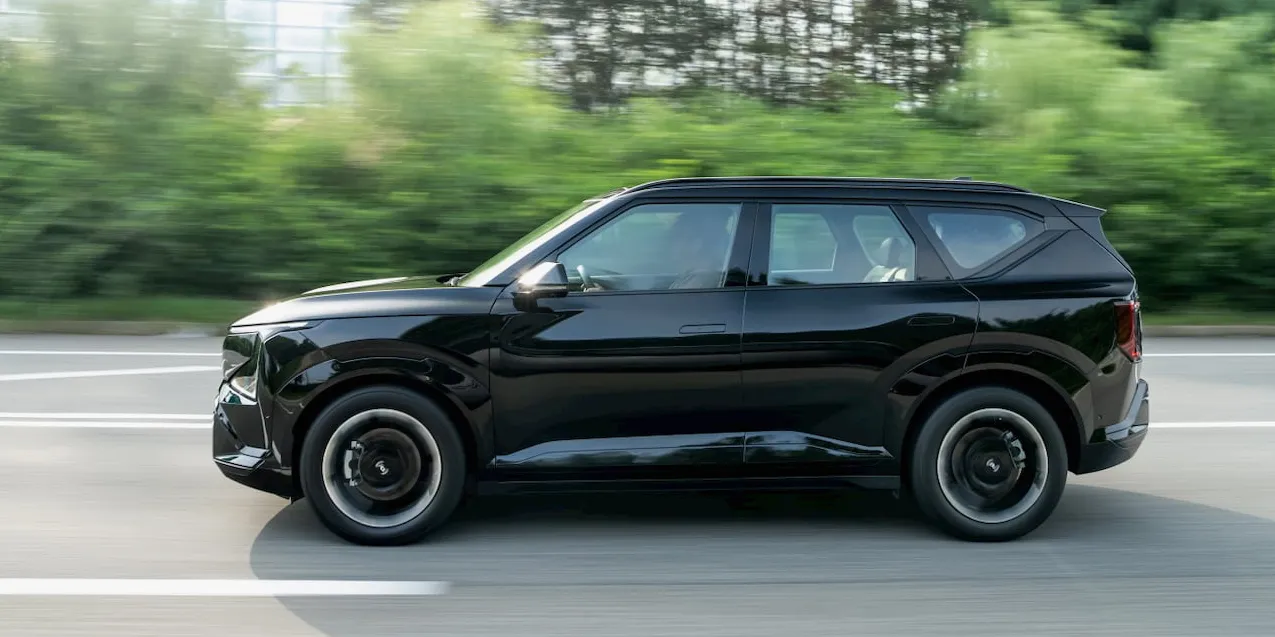
    Yes, but not for the reason many people think. The sighting of another mid-size electric SUV testing in the US is a reminder that more households are blending transportation, backup power expectations, and outdoor mobility into one lifestyle. People see an EV-sized battery and immediately imagine a rolling emergency power solution. Sometimes that is realistic. Often it is not, at least not in the way social media suggests.

    The real issue is not whether an electric SUV is “good” for preparedness. The issue is whether your broader system is designed around verified access, usable outputs, and charging resilience.

    Ask yourself:

    • Can you recharge during a prolonged outage if public charging is down or lines are long?
    • Do you have a Level 1, Level 2, or off-grid-compatible backup strategy?
    • Are you counting on vehicle power export features your specific model may not support?
    • Have you separated transportation reserve from home backup reserve?

    That last one is where people get sloppy. If your vehicle is also your evacuation asset, do not casually drain it to run household loads unless you know your margins. A storm week is not the time to discover that your “backup power” plan ate into your escape range.

    For most households, the safer setup is layered:

    Preparedness Layer Best Use Common Mistake
    Portable power station Medical devices, comms, lights, small electronics Buying too small for real runtimes
    Portable solar panel Extended outages, low-draw recharge Expecting full-rated output in poor weather
    Vehicle battery or EV support Emergency reserve, mobility-first planning Using transport energy too aggressively
    Fuel-based generator High-load backup for refrigeration or pumps Ignoring fuel storage, noise, and ventilation risks

    If you want reliability, prioritize critical-load math over marketing. A CPAP, radio charger, phones, and LED lights may only require modest wattage, but refrigerators, heaters, hot plates, and pumps escalate demand fast. Know your watt-hours. Know your charging windows. Know your winter derating if you use solar.

    And if you travel, stage essentials separately from your power kit. Your food, water, meds, and trauma supplies should stay accessible even if charging plans fail. A well-built 72 hour survival kit still matters because batteries do not replace hydration, calories, shelter, or warmth.

    What are the most overlooked gear gaps for coastal, remote, and storm-prone emergencies?

    The biggest misses are boring. That is exactly why they matter.

    1. Communication redundancy

    Many people carry one phone and call it a plan. In remote or weather-stressed environments, that is fragile. You need at minimum a charged phone, backup battery, cord, and one low-tech signaling method. In some cases, weather radio capability or satellite messaging is justified.

    2. Water and thermal protection

    Wind and spray can push mild conditions into dangerous territory faster than air temperature alone suggests. A wet, cold person loses function quickly. Pack layers for immersion-adjacent conditions even when you do not expect full water exposure: shell layer, insulation, gloves, hat, dry socks, and emergency blanket or bivvy.

    3. Medical realism

    Most kits are too light on trauma supplies and too heavy on convenience items. Blisters and bandages matter, but so do bleeding control materials, medications, anti-nausea support, and the ability to stabilize someone while help is delayed. Review your first aid kit items with actual hazard scenarios in mind, not just a generic camping checklist.

    4. Lighting that works in motion

    Lanterns are great in camp or at home. But headlamps, clip lights, and signal-capable lights are often more useful during loading, docking, vehicle recovery, or night movement. Hands-free beats decorative brightness.

    5. Packaging and carry method

    Would your gear survive spray, rain, a tipped tote, or a muddy roadside shoulder? Waterproof pouches, labeled modules, and grab-ready handles matter more than people realize. The best inventory in the world is useless if it turns into a soaked pile of loose gear.

    Practical rule: Pack for one level worse than the forecast. If the advisory says hazardous to small craft, assume transport delays, cold exposure, and communication friction are all more likely than usual.

    How should you upgrade your emergency setup this week?

    Do not rebuild everything from scratch. Fix the weak points that recent warning patterns and climate adaptation lessons make obvious.

    Start with this short checklist:

    1. Audit your kit for mobility. Can you move it fast, carry it alone, and use it away from home?
    2. Separate home backup from evacuation essentials. Your power station and your go-bag should complement each other, not compete.
    3. Add communication redundancy. Include signaling and charging backup, not just a phone.
    4. Stage cold-wet gear. Keep dry layers and hand protection packed where you can reach them quickly.
    5. Map your real 72-hour needs. Water, calories, meds, light, shelter, and heat retention first. Electronics second.
    6. Adjust seasonally. April wind, shoulder-season seas, and changing travel conditions demand different planning than peak summer.

    One more thing: pay attention to what international disaster-recovery events keep emphasizing. The modern preparedness conversation is shifting away from one-time response and toward durable resilience—systems that keep people functioning before, during, and after disruption. That should shape how you buy gear. The best preparedness products are not just high-spec. They fit into routines you can maintain.

    So ask the blunt question your current setup may be avoiding: if weather blocks movement, weakens communication, and stretches help farther away, do you still have a plan—or just a pile of equipment? That distinction is where real readiness begins.

  • When Grid Failure Meets Rough Seas: The Backup Power Lesson

    You do not need to live on a boat in Alaska or in a hurricane-hit Caribbean city to learn the same hard lesson: when wind shifts, fuel gets scarce, and power becomes unreliable, the small stuff breaks first—and then the essential stuff follows. Water treatment stumbles. Refrigeration becomes a gamble. Medical routines get interrupted. Transport slows down. That chain reaction is the real emergency, and the latest marine advisories, public health warnings, and wildfire reports all point to the same preparedness truth: backup power is not a luxury category anymore. It is core survival gear.

    The warning hidden inside very different emergencies

    At first glance, these situations seem unrelated. Southwest Alaska marine zones are dealing with small craft advisory conditions, including building southerly winds up to 30 knots, seas rising to 9 feet, and rain during the Monday period in one forecast area, while a nearby forecast track shows more moderate but still shifting conditions with 15 to 25 knot winds and 4 to 6 foot seas. Meanwhile, Cuba is facing a far more dangerous inland problem: a fragile public health situation worsened by prolonged energy limitations after hurricane impacts, with electricity cuts and fuel shortages disrupting water treatment, cold-chain storage, transportation, and healthcare delivery. Add a forest fire event in Laos lasting from April 2 to April 12, and a pattern emerges. Different hazards. Same weak point. Systems fail faster when energy becomes unstable.

    Preparedness reality: Most households still picture outages as a lighting problem. In real emergencies, outages are first a water, refrigeration, communications, and medication problem.

    That matters because many people buy emergency gear backward. They prioritize dramatic tools over functional resilience. A tactical knife gets attention. A battery-powered way to keep insulin cold, run a router, recharge radios, or power a water filter pump often does not. Yet the Cuba situation shows exactly why electrical continuity matters. Roughly 5 million people are living with chronic diseases requiring ongoing care and medication, and more than 32,000 pregnant women face elevated risk when health services, referrals, and electricity-dependent equipment are disrupted. If a grid failure can amplify a public health emergency at national scale, imagine what a 24- to 72-hour outage can do at household scale when you are unprepared.

    Marine forecasts are not just for boaters

    Emergency-minded readers sometimes ignore marine advisories because they assume those alerts only matter offshore. That is a mistake. Coastal waters forecasts often reveal the broader weather behavior that affects ports, fuel deliveries, ferry routes, fishing communities, and remote supply chains. One advisory window showed variable winds turning south and increasing to 25 knots overnight, then reaching 30 knots with 9-foot seas and rain. Another nearby forecast called for south winds near 25 knots with seas around 5 feet, followed by sustained elevated conditions into Tuesday and southwest flow through midweek. For anyone in exposed or remote regions, that translates into delayed transport, harder resupply, and more pressure on home energy independence.

    If your emergency plan assumes you can top off gasoline, replace propane, or run to town for batteries at the last minute, marine weather alone can break that assumption. This is where disciplined kit building matters. A real backup setup starts with load planning: phone charging is trivial, but refrigeration, CPAP use, medical devices, water purification, and communications are not. Your first move should be to audit critical watts and hours, not just total battery size. A compact power station may cover radios, lights, and small electronics for days, but not a resistance heater or full-size refrigerator. Pairing efficient DC loads, USB charging, and selective appliance use with a portable solar panel gives you a longer runway than many generator-dependent households realize. That is also why a sensible stock of disaster preparedness supplies should include both power accessories and low-energy alternatives, such as gravity filtration, headlamps, and manual cooking options.

    The expert-level tip most people miss

    Build around continuity, not convenience. In practical terms, that means identifying the minimum daily energy needed to preserve health and decision-making. For many households, the critical tier is remarkably modest: communications, lighting, a weather radio, medication cooling, limited fan use, and the ability to maintain safe water. Once you isolate that tier, your power planning gets cheaper and more realistic. A 500Wh to 1,500Wh battery system can be surprisingly capable if your loads are efficient and intentional. The people who fail during outages are often not the ones with too little gear—they are the ones running the wrong loads.

    Rule of thumb: If an item protects hydration, food safety, medical stability, or communications, it belongs in your first-tier power budget. If it only protects comfort, it belongs lower on the list.

    Cuba’s energy strain shows why backup power must support health first

    The Cuba update is especially sobering because it describes a layered emergency, not a single event. Persistent hurricane impacts are colliding with long-running electricity outages and fuel scarcity. That combination is affecting water systems, cold-chain reliability, transport, and healthcare operations all at once. The public health risks are predictable: more exposure to waterborne and foodborne disease, more vulnerability to respiratory and mosquito-borne illness, and greater danger for people whose daily treatment depends on refrigeration, electrically powered equipment, or accessible clinics. The lesson for preparedness readers is blunt: your backup power plan should be medically literate.

    Ask yourself a harder question than “Can I keep the lights on?” Ask, “Can I safely maintain one person’s health routine for 72 hours if roads are blocked, fuel is limited, and the outage is only part of the problem?” That shifts your buying decisions fast. It may push you toward a battery system with pass-through charging, a DC medical cooler, a thermometer for stored medication, spare power banks for phones, and a written load schedule so you do not accidentally drain your reserve on nonessential devices. It also reinforces why every home should have a true 72 hour survival kit that covers water, shelf-stable calories, lighting, sanitation, and communication basics without assuming continuous grid support.

    Wildfire smoke, transport disruption, and the off-grid mindset

    The forest fire event in Laos may look like the outlier here, but it actually sharpens the argument. Fires do not just threaten flames at the perimeter. They trigger smoke exposure, local evacuations, transportation interruptions, and strain on already fragile infrastructure. The same is true in many wildfire-prone regions: you may lose mobility before you lose your house, and you may lose breathable air before you lose utility power. Preparedness in that environment means layering mobility, communication, and power. Can you grab a compact battery, charge essential devices in transit, run a purifier or fan in a sheltering scenario, and keep navigation and alerts available? If not, your emergency plan is too static.

    This is also where small, often-dismissed gear earns its place. A power failure during evacuation or shelter movement is when cable management, hands-free light, compact charging, and cordage suddenly matter. No, a bracelet will not replace a full rope kit or battery bank. But practical redundancy has value, and compact field-use tools like Paracord Survival Bracelets make sense when they are part of a broader system rather than treated like magic talismans. The same principle applies to all survival gear: utility beats novelty every time.

    The real takeaway: prepare for cascading failure, not a single alert

    That is the thread connecting rough coastal forecasts, public health stress under prolonged blackouts, and a multi-day forest fire notification. The danger is rarely one headline by itself. It is the cascade. Wind becomes transport disruption. Fuel scarcity becomes medical risk. A storm-damaged grid becomes a water safety issue. Fire becomes a mobility and respiratory issue. Your best response is not to chase every alert with a different shopping spree. It is to build one resilient system centered on water, communications, medical continuity, and efficient backup power. If your current setup cannot cover those priorities for three days with disciplined use, fix that before buying another “survival” gadget. That is the kind of preparedness that still works when forecasts change, roads close, and the outage lasts longer than promised.

  • Red Flag Fire Weather and Marine Alerts: Your Gear Questions Answered

    You can have a full battery station, a folded solar panel, and a neatly packed go-bag on the shelf—and still be badly underprepared by noon. Why? Because a dry, windy red flag day in Colorado and a rough-water small craft advisory in Southeast Alaska do not punish the same mistakes. Add an active forest fire in Laos and a loud debate over nuclear versus renewable land use, and one lesson becomes obvious: emergency planning fails when people treat every hazard like the same generic outage. The smart move is to match your gear, power plan, and decision-making to the actual warning in front of you.

    This week’s mix of fire weather alerts, marine advisories, and energy debate points to a preparedness truth that gets missed all the time: warnings are not just information products. They are buying signals, packing signals, and behavior signals. If you read them correctly, they tell you what not to do just as clearly as they tell you what to bring.

    What does a Red Flag Warning actually mean for your preparedness plan?

    A Red Flag Warning is not simply “high fire danger.” It means weather conditions are lining up for rapid fire growth if ignition happens. In the Denver-area warning, the key ingredients were very low relative humidity—down to 10 percent—and southwest winds of 10 to 20 mph with gusts up to 30 mph. That combination matters because dry fuels ignite easily, and wind pushes flame fronts, lofts embers, and turns a small spark into a fast-moving problem.

    For preppers, off-grid campers, and rural homeowners, that changes the gear hierarchy immediately. On a red flag day, your priority is not comfort equipment. It is ignition prevention, rapid evacuation readiness, and clean backup power that does not create new fire risk.

    • Skip spark-producing tools unless absolutely necessary. That includes grinding, welding, dragging trailer chains, and sometimes even parking a hot vehicle over dry grass.
    • Do not rely on open-flame cooking outdoors if local guidance warns against activities that may produce a spark.
    • Favor battery power over combustion for small electronics, lights, and communications during the warning window.
    • Stage your evacuation kit early, not when you smell smoke.

    The practical mistake many people make is assuming a fire warning is mostly for firefighters or land managers. It is not. It is for you if you camp, tow, live near grassland, use a chainsaw, run a generator, or even charge gear in a detached shed with poor ventilation.

    Here is the expert-level tip: on extreme dry days, move your power setup onto non-combustible ground. A lithium power station, charger brick, or inverter should sit on concrete, gravel, stone, or bare mineral soil—not on a wood deck covered with dry pine needles. That sounds small, but preparedness is often won by removing one stupid risk before it becomes a cascading problem.

    If your kit still leans heavily on candles, propane lanterns, or aging fuel cans, this is a good time to audit your disaster preparedness supplies and remove anything that adds ignition danger on fire weather days.

    How should your gear change when the alert is marine instead of wildfire?

    A Small Craft Advisory calls for a completely different mindset. The Southeast Alaska marine forecast included west and southwest winds around 15 to 20 knots with seas building from 5 feet to 8 and 9 feet, along with rain showers and even late snow showers. That is not the same kind of emergency pressure as a red flag event. On the water, the bigger threats are exposure, loss of control, soaked electronics, and delayed rescue.

    This is where many land-based preparedness checklists break down. A “72-hour kit” built for road evacuation can be surprisingly weak offshore or along a cold coast. Water doesn’t care how expensive your flashlight was if your comms die from spray, your spare layers are cotton, and your battery bank has no waterproof storage.

    Your marine-ready setup should prioritize:

    • Waterproof communication redundancy: VHF radio first, then charged phone in a sealed case, then battery backup stored dry.
    • Thermal protection: insulating layers, waterproof shell, gloves, and extra socks in dry bags.
    • Navigation resilience: paper charts or local route notes if appropriate, because wet screens and dead batteries happen.
    • Power storage that tolerates cold and moisture management: battery banks inside dry pouches, warmed when possible, with cables protected from corrosion.
    • Lighting that works one-handed: headlamps beat handheld lights when conditions get ugly.

    Notice what is different? Fire conditions punish sparks and delay. Marine conditions punish exposure and water intrusion. Same broad preparedness category, completely different failure modes.

    A good rule is to build hazard-specific modules instead of one giant fantasy kit. Keep a fire module, a marine module, and a power outage module. Shared basics like first aid, water treatment, and headlamps can overlap, but the environment-specific items should stay distinct. Why gamble on one bag doing everything poorly?

    Where does portable power fit when weather warnings and wildfire risk collide?

    Portable power matters most when it removes risk, not when it merely adds convenience. During red flag conditions, a battery power station paired with a modest solar panel can be far safer than running a gasoline generator for lights, phones, weather radio, and medical devices. During marine advisories, compact battery systems support navigation, communications, and emergency lighting without introducing fuel fumes into tight spaces.

    But this is where buyers get sloppy. They shop by marketing terms like “solar generator” and never run the load math.

    Use this quick framework:

    Device Typical Watts Why It Matters in Emergencies
    Weather radio 3-10W Critical for alerts and updates
    Phone charging 5-20W Communication and mapping
    LED lantern 5-15W Low-draw area lighting
    CPAP without heated humidifier 30-60W Medical necessity for many users
    12V cooler 45-60W average draw varies Medicine or food management
    Laptop 45-100W Work, communications, planning

    If your must-run list is a phone, radio, lights, and a small medical device, a unit in the 300Wh to 700Wh class can be enough for short disruptions. If you need to cover several people, a cooler, or longer communication windows, 1,000Wh and up starts making more sense. Panel sizing matters too. A 100W folding solar panel may work for topping off small devices in fair weather, but smoke, clouds, poor angle, and short daylight can slash output hard. Never assume nameplate wattage is real-world sustained production.

    The energy debate around nuclear versus renewables may sound far away from emergency gear, but it points to something useful for readers: land use and grid design arguments happen at a massive scale, while preparedness happens at your scale. You are not choosing the national generation mix from your garage. You are deciding whether your home backup system works during smoke, wind, or evacuation. For that question, resilience beats ideology. A compact battery setup with disciplined loads is often more practical than a giant “someday” system you never finish installing.

    💡 Related Resource: If you are upgrading a family kit instead of a solo setup, review your emergency preparedness supplies with a hazard-by-hazard checklist so your power gear, lighting, and storage match real local risks.

    What can the Laos forest fire and women’s leadership in disaster risk reduction teach everyday preppers?

    At first glance, those topics seem unrelated to your gear shelf. They are not. A forest fire event in Laos underscores that wildfire is not a regional novelty; it is a recurring operational reality across very different geographies. The conditions, fuels, and response capacities vary, but the preparedness lesson is universal: fire seasons are broader, smoke travels farther, and communities need layered response capacity.

    The lesson from women’s leadership in disaster risk reduction is even more practical. Households and communities do better when planning is inclusive, not dominated by one person’s assumptions. Too many preparedness setups are built by the family gear nerd who loves watts, radios, and storage bins but never asks who actually manages medicines, children’s routines, elder care, language barriers, or evacuation logistics.

    That is a recipe for brittle planning.

    Strong household preparedness looks like this:

    1. Assign roles based on competence, not ego. The person best at medication tracking should own that list. The person most calm under pressure may handle communications.
    2. Build evacuation triggers in advance. For wildfire, that might be visible smoke, a local warning upgrade, road congestion, or sustained wind shift.
    3. Stress-test the plan with everyone present. Can each person find lights, chargers, IDs, and masks in under two minutes?
    4. Plan for different bodies and different risks. Children, older adults, pregnant women, and people with mobility or respiratory issues do not experience the same emergency equally.

    If one person knows where everything is, you do not have a preparedness plan. You have a single point of failure.

    So what should you do this week if you live with fire, wind, or coastal risk?

    Do three things, and do them before the next alert lands on your phone.

    1. Build a warning-specific checklist

    Create separate actions for red flag weather, marine advisory conditions, and general outage events. For example, your red flag checklist should include postponing outdoor burning, relocating flammables, charging batteries early, loading the vehicle, and setting N95 masks by the door if smoke becomes a problem. Your marine checklist should include dry-bagging electronics, packing thermal layers, checking VHF function, and confirming weather windows.

    2. Right-size your backup power

    Measure what you truly need for 24 to 72 hours. Most people either underbuy and get disappointed, or overbuy and never use the system enough to understand it. Test your station under realistic loads. How long will it really run your lights, radio, phones, and medical essentials? Does your panel recharge fast enough in cloudy or smoky conditions? You want evidence, not optimism.

    3. Remove your most likely failure point

    For one household, that is unsafe generator use on high fire-risk days. For another, it is a marine bag with no dry storage. For another, it is the fact that nobody else knows the evacuation route. The best preparedness upgrade is often not a new gadget. It is eliminating the weak link most likely to fail under stress.

    The common thread across these alerts and debates is simple: conditions decide priorities. Wind and low humidity mean spark discipline and evacuation readiness. Rough seas mean waterproofing, insulation, and communications. Broader disaster resilience means planning with the whole household, not just the loudest voice. If you align your gear to the actual hazard instead of buying for vague peace of mind, you will make better decisions, waste less money, and be far more useful when the warning turns real.

  • Severe Weather Warnings Expose Gaps in Your Survival Gear

    You can go from calm skies to a very different day fast: gale-force marine conditions in Alaska, a hard-hitting thunderstorm in Texas, critical fire weather in Arizona, and hazardous small-craft seas off New Jersey. That spread matters because it exposes a mistake people make over and over again. They build one generic emergency kit for every threat, then assume it will work whether the problem is wind, wildfire, hail, or rough coastal water. It won’t.

    This week’s cluster of April warnings is a sharp reminder that the hazard changes the gear list. The common thread is not just bad weather. It is wind-driven risk: stronger marine winds, storm gusts over land, low-humidity fire spread, and coastal conditions that can punish weak planning. If your backup lighting, portable power, communications plan, and grab-and-go kit are not matched to the warning type, you are carrying false confidence.

    The quick-hit trend: wind is the multiplier

    Look across the alerts and one pattern stands out. Different regions, different forecast offices, different impacts—but winds are doing the heavy lifting in nearly every case.

    • Alaska marine forecast: western winds build from 20 kt to 30 kt, then up to 40 kt, with seas rising from 4 ft to 9-10 ft before easing.
    • South Texas thunderstorm: radar indicated a strong storm moving northeast at 25 mph with hazards including winds in excess of 40 mph and half-inch hail.
    • Southern Arizona fire weather: southwest winds of 18 to 25 mph, gusting 35 to 40 mph, combine with 8 to 14 percent relative humidity, a classic rapid-spread setup.
    • New Jersey coastal waters: southwest winds 10 to 20 kt and seas 3 to 6 ft create hazardous conditions for small craft from Monday morning until early Tuesday EDT.

    That is the real preparedness takeaway. A warning is not just a headline. It is a gear stress test. Wind knocks out convenience first, then safety margins. It topples weak shelter, shreds cheap tarps, drains phone batteries when networks get busy, spreads sparks, and turns ordinary water into hostile water.

    Why this matters for preparedness right now

    Many people think of emergency gear in neat categories: wildfire kit, boat kit, storm kit. Real life is messier. Wind links these events together, and wind has a way of exposing the cheap, under-specced item in your setup.

    The weak points most people miss

    • Power banks with no weather plan: fine indoors, less useful if you need hands-free light, radio charging, or repeated phone top-offs over 48 to 72 hours.
    • Unsecured outdoor gear: a 40 mph gust can turn folding chairs, empty propane cylinders, tarps, and even lightweight solar panels into hazards.
    • Poor water protection: marine spray, hail, and blown dust can end the life of electronics stored in bargain bags.
    • No layered lighting: if the grid blinks, one flashlight is not a system. You need area light, personal light, and backup batteries.
    • Bad communications assumptions: if a storm is moving or a fire spreads rapidly, you may not have time to charge devices later.

    Ask yourself a blunt question: if the wind is the problem, which item in your kit fails first? For a surprising number of people, it is the thing they rely on most—power.

    Alaska and New Jersey: marine alerts punish lightweight planning

    The marine side of these warnings deserves special attention because water magnifies mistakes. In Alaska, the forecast escalates from manageable seas to a rougher stretch with 40 kt winds and 10 ft seas. In New Jersey, the conditions are less extreme, but still hazardous for small craft, with 3 to 6 ft seas and 10 to 20 kt southwest winds. Different severity, same lesson: small craft conditions become dangerous long before people emotionally register them as extreme.

    What survival gear actually matters on water when winds build

    • Waterproof handheld lighting: not just a phone flashlight. You want a dedicated light with sealed housing and simple controls.
    • Charged VHF or marine-capable comms: phones are fragile and coverage can become unreliable exactly when you need it.
    • Dry storage for power: battery banks, headlamps, and radios should live in true waterproof storage, not a zipper pouch you hope will hold.
    • Thermal layering: even when the air forecast looks manageable, spray and wind strip body heat fast.
    • Redundant navigation and signaling: rough conditions reduce reaction time. Keep visual and electronic options.

    The overlooked point is that sea height is only part of the stress. Wind direction and sustained speed affect steering effort, fatigue, spray, and your margin for mechanical problems. A small-craft advisory is not background noise. It is your cue to simplify the trip, shorten the route, or stay off the water.

    💡 Related Resource: If your home and vehicle kits are still built around random flashlights and old charging cables, upgrading your emergency preparedness supplies before the next warning cycle is a smarter move than panic-buying after shelves are picked over.

    Texas storm risk: 40 mph gusts are enough to create a bad day

    The Texas special weather statement may sound modest compared with a full severe outbreak, but that is exactly why it is useful for preparedness planning. Winds in excess of 40 mph and half-inch hail are not cinematic. They are practical hazards. They damage weak outdoor setups, drop branches, scatter unsecured items, and interrupt routine travel.

    What 40+ mph gusts commonly do

    • Knock down small limbs that can block driveways, damage vehicles, or sever service drops.
    • Send loose items airborne, including bins, tools, grills, and decor.
    • Stress power reliability in neighborhoods with overhanging trees and aging lines.
    • Break your routine more than your infrastructure: school pickup, work commute, and last-minute store runs become harder.

    That last point matters. People imagine disasters as giant infrastructure failures. Much more often, a local storm creates a short, messy, high-friction window where your family still needs light, charged devices, medications, and weather updates. A compact power station in the 300 to 600 watt-hour class can be enough to keep phones, headlamps, a weather radio, and a small medical device running through a short outage. Pair it with a reliable LED area light and you have solved the most common discomforts before they become safety issues.

    Arizona red flag conditions: the warning that changes your evacuation timeline

    The most dangerous alert in this group may be the one people underestimate the most. Red flag conditions in southern Arizona combine 18 to 25 mph southwest winds, 35 to 40 mph gusts, and 8 to 14 percent humidity. That is not just dry weather. It is a rapid-fire-spread recipe.

    When humidity drops that low, fine fuels such as grass, brush, and leaf litter ignite more easily and burn faster. Add gusty winds and a small ignition can move before many households are mentally prepared to leave. This is where gear matters differently than in a thunderstorm or coastal advisory.

    Your fire-weather kit should prioritize speed, not comfort

    • N95 or smoke-rated masks: not for firefighting, but to reduce smoke exposure during evacuation and cleanup.
    • Pre-packed document pouch: IDs, insurance copies, medications list, and contact numbers.
    • Vehicle charging plan: keep cables, a 12V charger, and a charged power bank in the car at all times.
    • Battery radio: cell alerts are helpful, but radio remains a resilient backup.
    • Go-bag footwear and eye protection: ash, dust, embers, and debris make sandals a terrible choice.

    Here is the expert-level distinction: for wildfire conditions, mobility beats capacity. A huge home battery is great if you are sheltering in place. It does very little if the evacuation order comes while you are hunting for keys and charging a dead phone. For red flag days, prioritize portable power, fast-loading gear, and a vehicle that is above half a tank.

    The gear decision most people get wrong

    They buy for peak wattage when they should first buy for reliable continuity. You do not need to run your whole life from a battery every time a warning is issued. You need to preserve the essentials:

    • Communications: phone, radio, emergency alerts
    • Lighting: area light plus personal light
    • Medical continuity: small devices, refrigeration planning if needed
    • Mobility: charged devices in home and vehicle
    • Situational awareness: weather updates without depending on one fragile device

    For most households, that means a layered approach works better than one expensive hero product:

    • Step 1: 10,000 to 20,000 mAh USB battery banks for phones and headlamps
    • Step 2: one compact power station in the 300 to 600 Wh range
    • Step 3: low-draw LED lighting and a weather radio
    • Step 4: optional folding solar panel for longer disruptions, especially off-grid or travel use

    Why not just buy the biggest unit you can afford? Because portability, recharge speed, and where you can physically use the gear matter during real warnings. A heavy battery left in the garage is useless during a fast departure.

    A fast action checklist for this warning pattern

    If you live in a region seeing spring alerts, here is the practical move set that covers most of the risk exposed by these April notices.

    • Charge everything before sunset: phones, power banks, radios, headlamps, and battery stations.
    • Secure outdoor objects: furniture, bins, fuel cans, grills, and portable solar panels.
    • Move critical gear into weatherproof storage: especially near coasts or in blowing dust zones.
    • Top off vehicle fuel or EV charge: fire-weather and storm response both punish delay.
    • Review your 72-hour basics: water, meds, lighting, comms, food, and sanitation.
    • Separate home kit from go-bag: one is for staying put, the other is for moving now.

    Recommended Gear: If your kit still lacks the basics, start with durable disaster preparedness supplies that cover power, lighting, and rapid-grab essentials before you chase niche gadgets you may never use.

    The bigger takeaway from this week’s warnings

    These alerts are not random weather trivia. They reveal a preparedness truth that applies whether you are inland, coastal, rural, or off-grid: different hazards share the same failure points. Wind stresses power, communications, mobility, and storage. Low humidity shrinks your reaction window. Rough seas punish gear that is merely “water resistant.” A small thunderstorm can create just enough disruption to show you where your setup is weak.

    The smart response is not fear. It is calibration. Match your equipment to the warning type, build around the first 72 hours, and stop assuming one generic tote in the closet solves every scenario. When the next alert is issued, you want to be making decisions—not excuses.

  • Wildfire Warnings and US Battery News Are Changing Backup Power

    You do not need flames in your backyard to feel the pressure of wildfire season. Sometimes the first sign is drier air, a weather statement that warns against sparks between noon and evening, or a distant forest fire in another country that reminds you how fast conditions can turn. At the same time, the backup power market keeps shifting under your feet. A newly announced partnership between Lion Energy and American Battery Factory points to more US-made lithium iron phosphate battery storage entering the conversation just as fire risk makes reliable off-grid power feel less optional and more urgent.

    That combination matters. When wildfire danger rises, your best move is not panic-buying a generator after the alert. It is understanding which power systems actually hold up during smoke events, evacuation risk, and utility instability—and which ones only look good on a product page.

    Why do wildfire warnings matter even if the fire is not near you yet?

    Because the conditions that feed wildfire spread often show up before the headline fire does. The recent weather statement from the National Weather Service office in Paducah highlighted a familiar risk pattern: low relative humidity around 25% to 35%, southerly winds sustained at 10 to 15 mph, gusts up to 25 to 30 mph, and already dry vegetation due to moderate to severe drought. That is the kind of afternoon setup that turns one careless spark into a fast-moving problem.

    If you live in a drought-stressed area, this is not abstract. Dry grasses, leaf litter, fence lines, and roadside brush can all become fuel. Add wind and you get rapid spread, difficult containment, and smoke that can affect areas well beyond the ignition point. That is why authorities discourage outdoor burning and spark-producing activity during elevated wildfire conditions.

    The Thailand forest fire notice reinforces a broader point: wildfire is no longer a narrow regional issue. Different climates, different continents, same operational lesson. Fires can start quickly and persist for days. For preparedness-minded households, that means your readiness plan should not begin at the evacuation order. It should begin when fire weather starts stacking up.

    Ask yourself a blunt question: if the power blinks tonight and the air outside smells like smoke tomorrow, do you already know what runs from battery, what needs AC power, and what you can leave behind? Many people do not—and that is exactly why they waste money on the wrong gear.

    What does the Lion Energy and American Battery Factory partnership actually signal?

    On the surface, it is a business story: Lion Energy announced a strategic partnership with American Battery Factory to support recently announced 4.5GWh offtake agreements tied to US-made LFP battery energy storage system equipment. But for a preparedness buyer, the real significance is deeper than a press release.

    It signals that domestic supply, battery chemistry, and storage scale are becoming central buying factors, not niche talking points.

    Why LFP matters for emergency preparedness

    Lithium iron phosphate, or LFP, is already one of the most attractive chemistries for backup power and off-grid storage because it generally offers:

    • Better thermal stability than some other lithium-ion chemistries
    • Long cycle life, often thousands of charge-discharge cycles
    • Strong suitability for daily-use storage in solar-plus-battery systems
    • Lower fire-risk profile compared with more energy-dense chemistries, though no battery is risk-free

    That matters during wildfire season for obvious reasons. If your backup system lives in a garage, shed, RV, or outbuilding near heat swings and dust, chemistry choice is not a trivia question. It affects lifespan, safety margin, and whether the system is practical for both emergency use and routine resilience.

    Why US-made battery supply matters now

    Preparedness buyers tend to focus on watt-hours and inverter ratings. Fair enough. But supply chain reliability matters too. Domestic battery manufacturing can affect lead times, serviceability, replacement access, and long-term confidence in ecosystem support. If more American-made LFP storage comes online at meaningful scale, you may eventually see better availability and a stronger service network for home backup and portable energy products.

    That does not automatically mean every new product will be worth buying. It does mean the market is moving toward sturdier infrastructure behind the gear, and that is good news if you care about equipment that still has support two or three fire seasons from now.

    Which backup power setup makes the most sense during wildfire risk: portable solar, battery station, or generator?

    The honest answer is that most households need a layered setup, not a single miracle box.

    Wildfire conditions create awkward operating constraints. Gas generators can be valuable, but they are noisy, fuel-dependent, and may be difficult or unsafe to run in smoky, ash-heavy, or evacuation-sensitive conditions. Portable solar is excellent when sunlight is available, but heavy smoke can reduce solar harvest substantially. Battery power stations are quiet and instant, but runtime depends entirely on your actual loads and stored capacity.

    Here is the practical breakdown:

    Power Option Best Use Case Main Strength Main Limitation
    Portable power station Medical devices, phones, lights, radios, routers, CPAP, small fridge support Silent, indoor-safe, instant power Finite stored energy
    Portable solar panels Daytime recharging during grid outage or evacuation stopovers Renewable fuel source Output drops in smoke, clouds, shade
    Gas or dual-fuel generator Higher loads, extended outages, refrigeration, well pumps with proper sizing High output for long outages Fuel logistics, noise, outdoor-only operation
    Home battery system Whole-home or critical-load backup with transfer integration Automatic, scalable, clean operation Higher upfront cost

    For most preparedness-focused households, the smart middle ground is a battery-first approach with solar charging and a generator only if your loads truly justify it. That means building around critical circuits and devices:

    1. Communications: phones, weather radio, hotspot, router
    2. Health and safety: CPAP, medications requiring refrigeration, small air purifier
    3. Lighting: rechargeable lanterns and task lights
    4. Food preservation: fridge support if runtime math works
    5. Mobility: USB charging, 12V accessories, vehicle top-off planning

    Expert tip: do not size backup power by battery capacity alone. Size it by watt-hours required over 24 to 72 hours. A 1,000Wh unit sounds substantial until you connect a fridge that averages 60 to 90 watts but surges much higher at startup. Add a router, fan, and device charging, and your margin can disappear fast.

    A realistic wildfire outage kit often starts with 1,000Wh to 2,000Wh of usable battery storage for essentials, then expands if you need refrigeration, work-from-home continuity, or medical redundancy. If your plan is based on “I think this should be enough,” it is not a plan yet.

    How should you prepare differently when the danger window is the afternoon?

    Afternoon fire weather is not a random detail. It changes how you should stage your day.

    When humidity falls and winds rise between midday and early evening, that is when ignition risk and spread potential often become more serious. You should treat that window as operationally sensitive time, especially if your area is already dry.

    Your wildfire-risk afternoon checklist

    • Finish outdoor spark-producing work early or postpone it entirely. That includes welding, grinding, debris burning, and even mowing in very dry vegetation where metal strikes are possible.
    • Top off battery systems in the morning while grid power is stable and before weather worsens.
    • Pre-cool your refrigerator and freezer so they hold temperature longer if power fails later.
    • Stage go-bags and pet supplies by the door instead of buried in a closet.
    • Park facing outward if evacuation becomes necessary.
    • Charge communications gear early, including handheld radios, power banks, and headlamps.

    Smoke and fire events are not just about evacuation. They can also force you to shelter in place with closed windows and intermittent grid issues. That is one reason a compact battery system paired with efficient DC and USB devices often outperforms a bulky, fuel-hungry setup for the first critical 24 hours.

    💡 Related Resource: If your supplies are still scattered between kitchen drawers and old gym bags, a purpose-built 72 hour survival kit is one of the fastest ways to close the gap before fire weather spikes again.

    What should you buy now if you want a fire-season-ready power kit without overspending?

    Start with reliability, not gadget count. A good fire-season power kit is boring in the best way: dependable, easy to recharge, simple to carry, and matched to your real needs.

    Here is the buying order I would prioritize for most households:

    1. A quality LFP power station

    Look for clear specs on battery chemistry, inverter output, cycle life, and recharge speed. For many users, the sweet spot is a unit in the 1,000Wh to 2,000Wh range with at least 1,000W to 1,800W of inverter capacity. That is enough for communications, lighting, fans, and selective appliance support without becoming too heavy to move during an evacuation.

    2. At least one folding solar panel

    Portable solar will not fully save you during dense smoke, but it is still worth having. Even partial production can keep phones, radios, and battery banks alive. Prioritize durable connectors, manageable weight, and honest output expectations. A “200W” panel may deliver far less in haze, heat, or suboptimal angle.

    3. Low-draw devices that stretch your runtime

    The cheapest watt is the watt you never have to supply. Swap in USB fans, rechargeable lanterns, LED headlamps, and a DC-capable cooler or medical backup solution where appropriate. Power efficiency gives your battery system a longer useful life during an outage.

    4. A clean charging routine

    Keep batteries between roughly 50% and 80% for storage when recommended by the manufacturer, but bring them to full charge before high-risk weather. Test cables, adapters, and car-charging options monthly. Dead accessories kill expensive backup systems faster than most people realize.

    5. Documentation and load labels

    Label your essential devices with their watts and daily runtime. Keep a printed card in your power bin. Under stress, you do not want to guess whether the chest freezer can run overnight or whether your CPAP needs humidifier settings reduced to preserve battery.

    The market news around American battery manufacturing and the Lion Energy partnership is encouraging because it suggests a more mature, potentially more resilient future for battery storage. But you do not need to wait for the next product wave to make smart decisions. The immediate lesson is simpler: choose proven battery chemistry, calculate your loads honestly, and prepare before the dry, windy afternoon arrives.

    That is the difference between owning backup gear and having backup power.

  • Storm Alerts and EV Price Drops Change Backup Power Math

    Storm Alerts and EV Price Drops Change Backup Power Math

    You can get trapped by 12 to 14 feet seas in one region, hit slick mountain roads under blowing snow in another, and still miss the most important preparedness shift of the week: backup power is no longer just a generator conversation. When marine advisories, winter travel hazards, and falling EV prices all land at once, the smart question is not simply What storm is coming? It is what power strategy gives you the most resilience per dollar right now.

    Storm Alerts and EV Price Drops Change Backup Power Math

    That matters because the source signals point in two directions at once. On one side, officials are warning about dangerous small-craft conditions near Chuuk as Typhoon Sinlaku moves away but leaves behind hazardous winds and rough seas. On the other, the Eastern Sierra is dealing with snow accumulations, strong gusts up to 60 mph, and travel conditions that can turn ugly fast, especially on bridges and high passes. Layer onto that a fresh market trend: EV prices in the US continue to fall, and the gap with gas vehicles is now at a record low. Put together, those are not random headlines. They are a preparedness story about mobility, sheltering, and backup power choices getting reshuffled.

    Why do storm advisories matter for backup power planning, not just travel?

    Because storm warnings expose the exact moments when your energy assumptions fail.

    Take the marine advisory first. South winds of 15 to 25 knots with occasional gusts to 35 knots and seas in the 12 to 14 feet range are not a routine inconvenience for small craft. They mean delayed movement, canceled trips, and longer periods relying on what you already packed. Even after the storm center moves away, the sea state can stay dangerous through at least Tuesday morning. That lag is the key lesson. Weather often remains operationally hazardous after the headline threat appears to be leaving.

    The same logic applies on land. In the Eastern Sierra, snow accumulations of 3 to 7 inches between 8,000 and 9,500 feet, plus 8 to 12 inches above 9,500 feet with locally higher totals, combine with wind gusts as high as 60 mph. That is the kind of setup that turns a simple drive into an overnight problem. Roads get slick, drifts build, visibility drops, and your vehicle becomes your temporary shelter whether you planned for that or not.

    Preparedness people sometimes obsess over total blackout scenarios and miss the far more common event: being stuck in place for 8 to 24 hours with limited charging, poor heating options, and bad information. That is where backup power earns its keep. A charged power station, a DC vehicle charger, weather radio capability, headlamps, and heated layers can be the difference between discomfort and danger.

    If you are reviewing emergency preparedness gear, prioritize systems that work when movement stops. Weather does not have to destroy your home to create an energy emergency. It only has to strand you, delay you, or force you to shelter where you did not expect to.

    What do rough seas and mountain snow reveal about the weakest links in most kits?

    Usually, the weakest links are not dramatic. They are boring failures in duration, charging flexibility, and cold-weather realism.

    Here is what these two advisories have in common from a survival-planning perspective:

    • You may be stuck longer than the warning suggests. Hazardous seas can linger after a storm track changes. Snow can pause and then return overnight. A break in weather is not the same as safe recovery conditions.
    • Wind multiplies every problem. On the water, it drives unsafe handling and wave action. In the mountains, 60 mph gusts create blowing snow, lower visibility, and faster heat loss once you step outside the vehicle.
    • Cold and wet punish batteries. Lithium power systems lose practical performance in low temperatures, and phones drain faster when searching for service or running navigation continuously.
    • Your vehicle may become your shelter. If roads, marinas, or launch conditions are unsafe, your loadout needs to support staying put.

    That means your kit should be built around three layers of power, not one:

    1. On-body essentials: flashlight, charged phone, compact power bank, lighter, whistle, and insulation.
    2. Vehicle or vessel layer: 12V charging, a larger battery bank or portable power station, weather radio, and food-water reserve.
    3. Stay-put layer: blankets or sleep system, task lighting, hot-drink capability where safe, and enough battery reserve for communications over a full night.

    One expert-level mistake I see constantly? People buy a large battery but ignore charging pathways. If your 500Wh to 1,000Wh power station cannot recharge from your vehicle, solar, or a wall before departure, it is just a countdown timer. In winter travel especially, charging versatility matters more than nameplate capacity.

    A small add-on that earns its place is simple retention and repair gear. In high wind, gear gets lost fast, and in a roadside or shoreline emergency, securement matters. A pair of Paracord Survival Bracelets will not replace serious cordage, but they are useful for quick lash-ups, temporary tie-downs, zipper pulls, and improvised repairs when the weather turns hostile.

    Do cheaper EVs actually make sense as emergency backup power tools?

    More than they did even a year ago. That is the real market shift.

    As EV prices continue to drop and the price gap with gas cars narrows to a record low, the preparedness conversation changes from theory to practical budgeting. For many households, an EV is no longer just a transportation purchase. It can also be part of a broader resilience system, especially if your model supports vehicle-to-load, onboard outlets, or at minimum a robust 12V and USB power ecosystem.

    Does that mean every prepper should replace a gas truck tomorrow? No. But it does mean the old blanket advice that EVs are automatically the wrong choice for emergencies is getting weaker.

    Here is the comparison that matters:

    Preparedness factor Gas vehicle EV
    Idle power for devices Possible, but wastes fuel and creates exhaust risks Often excellent for electronics and cabin use
    Cabin climate during shelter-in-place Works well, but burns fuel continuously Usually efficient, especially for short-to-medium duration events
    Home backup integration Limited without generator solutions Potentially strong if vehicle supports export power
    Refueling during widespread outage Depends on station supply and fuel logistics Depends on grid status, solar, charging access, and route planning
    Remote cold-weather range margin Generally predictable if fuel is available Reduced by cold, speed, terrain, and heater demand

    The honest answer? EVs are strongest as part of a layered setup, not as a single magic solution. If you live in snow country, tow heavy loads, or routinely travel far from charging infrastructure, you still need to think harder about cold-weather range, charging redundancy, and route resilience. But for many suburban and mixed-use households, a lower-cost EV paired with home charging and portable solar can improve day-to-day preparedness rather than hurt it.

    And ask yourself this: if your car can keep communications running, maintain cabin heat for a long delay, and potentially support small household loads, is it still just a car?

    Which backup power setup fits severe weather best right now?

    The best answer depends on whether your risk is stranded travel, coastal exposure, or home outage. Still, there is a very practical framework you can use.

    1. For winter road travel

    Build around survivability in the vehicle for 12 to 24 hours.

    • Power bank: at least 20,000mAh
    • Portable power station: roughly 300Wh to 1,000Wh
    • 12V car charger with multiple outputs
    • Headlamp plus spare batteries
    • Insulated blanket or cold-weather sleep bag
    • Traction tools, gloves, and food-water reserve

    This setup is designed for advisories like Sierra snow events where roads and overpasses become slick and a short drive becomes a long wait.

    2. For coastal and marine users

    Build around communication, waterproofing, and delayed return.

    • Water-resistant battery bank and backup light
    • Handheld VHF or weather radio if appropriate for your use case
    • Dry-bag protection for electronics
    • Redundant charging cable set
    • High-calorie compact food and hydration reserve

    When seas remain hazardous even as a typhoon moves away, your margin is not measured by confidence. It is measured by what still works after spray, motion, and time.

    3. For household outage resilience

    Build around critical loads and realistic run times.

    • Portable power station sized to communications, lighting, CPAP, or router loads
    • Foldable solar panel for extended outages
    • Fuel-free indoor-safe lighting and charging plan
    • Optional EV as a supplementary energy source where supported

    A strong baseline for most families is a 72 hour survival kit backed by enough stored energy to run phones, lights, and essential small electronics without improvisation. The 72-hour rule stays relevant because weather disruptions often outlast convenience long before they become disasters.

    What should you do this week if these headlines made you rethink your setup?

    Do a fast resilience audit. Not a shopping spree. A real audit.

    1. Charge everything today. Phones, battery banks, radios, and power stations.
    2. Test your vehicle as a shelter. Can you charge devices, run hazard lighting needs, and stay warm safely?
    3. Check your cold-weather assumptions. Batteries, tire gear, clothing, and food all perform differently in snow and wind.
    4. Measure your actual loads. Know the wattage of your phone charger, heated blanket, router, or medical device before an outage.
    5. Map your recharge options. Wall, vehicle, solar, and if relevant, EV power export.
    6. Pack for delay, not just departure. Storms often trap people in transition zones: parking lots, roadsides, marinas, trailheads.

    The through-line across these alerts and market changes is simple. Severe weather still creates the same old dangers: exposure, isolation, and delayed movement. But your power options are evolving. Falling EV prices mean more households can consider a vehicle that doubles as a resilience asset. Rough seas and heavy snow remain reminders that nature does not care whether your battery was expensive. It only cares whether your system was ready, charged, and built for the conditions you actually face.

    That is the new backup power math: fewer assumptions, more redundancy, and smarter use of the tools you already own or can now afford.

  • Emergency Alerts Don’t Tell You This: Demand Signals Matter

    Emergency Alerts Don’t Tell You This: Demand Signals Matter

    You can get two weather alerts in a single night, glance at the map, and still miss the bigger preparedness story. One advisory warns Alaska boaters about strengthening winds and 10-foot seas. Another flags minor flooding in low-lying parts of south central Texas after 1 to 3 inches of rain. On the surface, those events have nothing in common with a sharp drop in Tesla retail sales in China. But if you care about emergency readiness, off-grid power, or survival gear, they point to the same lesson: headline numbers often hide the conditions that actually matter when you need to make a decision fast.

    Emergency Alerts Don’t Tell You This: Demand Signals Matter

    The real preparedness risk is reading the summary and skipping the mechanism

    The marine advisory is a perfect example. A casual reader sees “Small Craft Advisory” and mentally files it under routine bad weather. The actual operating conditions are more instructive: southwest winds building from 15 knots to 25 knots overnight, then 30 knots on Sunday, with seas jumping from 6 feet to 10 feet. For anyone running a small vessel, that is not background noise. It is a clear escalation timeline. If your charging plan, navigation redundancy, or communications setup only works in calm conditions, the advisory is already telling you that your system may fail exactly when you need it.

    Preparedness rule: The label on the alert matters less than the direction, timing, and compounding effects inside the forecast. Wind plus sea state changes your power draw, your travel window, and your margin for error.

    The same pattern shows up in the Texas flood advisory. The notice wasn’t screaming catastrophic flash flooding. It described minor flooding in poor drainage and low-lying areas after rainfall totals of 1 to 3 inches, with runoff still moving downstream and a good chance of more rain overnight. That is exactly the kind of alert many people underestimate. Why? Because “minor” sounds manageable. Yet these are the conditions that strand vehicles at ramps, cut off access roads, soak low-mounted gear, and expose weak charging routines. Your phone battery percentage suddenly matters a lot more when you realize the rain has paused, but the hazard has not.

    Why these alerts and a vehicle sales story belong in the same conversation

    The Tesla story is not about storms, but it reveals the same analytical mistake. Wholesale numbers looked stronger because they included vehicles produced in Shanghai and exported elsewhere. Retail demand inside China, however, fell sharply year over year, with an even steeper drop in March. In other words, the top-line figure created a misleading sense of momentum because it blended different realities together. Sound familiar? It should. Weather summaries do this all the time in the public mind. People hear the alert category, then miss the local demand signal: sea height, runoff timing, drainage weakness, overnight redevelopment, access-point vulnerability.

    Preparedness buyers do something similar when shopping for backup power. They compare a power station’s big marketing number but ignore the retail reality of field use: how many watts it can sustain continuously, whether it can recharge during bad weather, whether the battery chemistry tolerates repeated partial charging, or whether the ports match the devices they actually depend on. A 1000Wh label can be as misleading as a wholesale vehicle count if your real bottleneck is charging speed, inverter surge handling, or panel performance under cloud cover.

    Hidden factor to watch: A product spec is a wholesale number. Your use case is the retail number. Build around your lived demand, not the prettiest headline on the box.

    The buyer mistake that keeps repeating

    Most gear failures are not dramatic. They are mismatch failures. A boater carries a large battery bank but no waterproof charging path. A rural traveler has a flood-prone route and no redundant light source outside the vehicle. A family buys a solar generator for outages but never calculates overnight medical-device loads, router runtime, or the recharge window after a storm front passes. Do you really need more capacity, or do you need a better understanding of where your system gets stressed first?

    This is where serious preparedness gets practical. If an advisory suggests worsening conditions through the night and into the next day, your charging priority shifts before the weather peaks. Top off radios, phones, headlamps, and battery banks while grid power is stable. If you are near flood-prone access points, move low-stored gear higher and pack critical electronics in dry bags before runoff arrives. If marine conditions are deteriorating, assume exposed USB charging and loose deck storage become liabilities. Tiny timing decisions make the difference between inconvenience and a genuine emergency.

    What alert readers should borrow from good market analysis

    Good analysts separate signal from framing. You should do the same with weather alerts. Instead of asking, “How bad is this warning?” ask three more useful questions: what is changing, what is lagging, and what is being averaged out? In Alaska, wind and seas were ramping on a defined schedule, which matters more than the broad label. In Texas, rain had temporarily ended, but runoff continued and more precipitation remained possible, which means the hazard lagged behind the rainfall itself. These are operational details, not trivia.

    That mindset also sharpens your buying decisions. For a 72-hour outage baseline, many households do better with layered resilience than with one oversized gadget: a modest LiFePO4 power station, a reliable USB light, weatherproof power banks, and one communications tool that does not depend on pristine charging conditions. If your plan still assumes wall power will return before your second recharge cycle, it is not a plan. It is optimism wearing a battery sticker.

    💡 Recommended gear: If storms, flooding, or marine travel are part of your risk picture, a hand crank weather radio earns its place because it gives you one more path to updates when USB charging gets unreliable or sunlight is inconsistent.

    The expert-level tip: build for the ugly middle, not the best case

    Here is the standard many people skip. Your backup system should comfortably cover your essentials for 72 hours, but the design target should be the ugly middle of an event: intermittent rain, limited sun, repeated phone charging, overnight lighting, and one communications device staying active the entire time. For most households, that means auditing real loads in watt-hours, not just buying by brand reputation. A smartphone may need roughly 10 to 20Wh per recharge, a headlamp much less, a weather radio a modest amount, but a CPAP, small 12V cooler, or marine electronics package changes the math quickly. Add inverter losses and cold-weather battery performance, and your margin shrinks fast.

    The larger lesson from these seemingly unrelated reports is blunt: the world rarely fails in the way headlines suggest. Demand weakens behind strong-looking totals. Hazards persist after the rain stops. Seas become dangerous on a timetable you can see coming if you read past the label. If you want to prepare like an adult, stop buying and planning around summary numbers alone. Read for mechanism. Build for the constraint. And when the next April advisory pops up on your phone, treat it less like a notification and more like a systems test you can still pass before conditions worsen.

  • Marine Warnings and River Flooding Expose Your Weakest Gear

    Marine Warnings and River Flooding Expose Your Weakest Gear

    The most dangerous part of a weather warning is often not the headline. It is the quiet assumption that because a flood is labeled minor, or because a marine advisory sounds like something only boaters need to care about, your gear can stay exactly where it is. That is how people end up with a dead radio, medications in a damp basement tote, and no power plan when roads, ramps, or shore access suddenly stop behaving normally. This weekend’s pattern is a sharp reminder: the same forecast cycle can punish coastal travelers with gale-force wind while river communities inland deal with rising water and access problems that look small on paper but matter in real life.

    Marine Warnings and River Flooding Expose Your Weakest Gear

    Two very different warnings, one preparedness lesson

    On Alaska waters, forecasters are stacking marine hazards that deserve respect. One zone carries a small craft advisory with winds around 20 knots and seas running roughly 9 feet before easing only modestly. Another area, including the northern Gulf coast, escalates much harder: west winds build from 30 knots to 40 knots, with seas near 11 feet through Sunday into Monday before gradually dropping. For anyone who spends time near remote shorelines, on support vessels, in fishing camps, or moving supplies to cabins, that is not background noise. It is a logistics problem.

    At the same time, inland river forecasts in Missouri and Kansas show a different kind of disruption. Along the Mississippi at Louisiana, Missouri, minor flooding is already occurring, with the river at 15.4 feet and forecast to crest around 16.1 feet. That sounds tame until you read the impact statement: at 17 feet, the parking area at the boathouse floods. On the Little Blue River near Barnes, Kansas, the expected rise from 11.5 feet to 17.5 feet pushes past flood stage and into lowland agricultural flooding, with fields and areas near local roads affected. Minor flooding can still cut routes, isolate equipment, soak storage, and delay help. If your backup plan depends on driving through one low crossing or grabbing gear from one flood-prone outbuilding, is it really a backup plan?

    Preparedness rule: A warning category tells you how meteorologists classify the hazard, not how inconvenient or dangerous your personal situation will become. Your weak point is usually access, communications, or charging—not drama in the forecast wording.

    Why these forecasts matter for off-grid power and survival gear

    Prepared people sometimes focus too narrowly on outage duration and not enough on environment. A 500Wh power station that performs beautifully in a dry garage can become much less useful if you stored its charging cables in a damp shed, left its solar panel where wind can turn it into debris, or planned to recharge beside a river access point now under water. Likewise, a boater, guide, or coastal resident may own plenty of battery capacity but still be underprepared if they cannot receive updated forecasts once cell coverage gets patchy or if spray and cold slash runtime. Batteries hate extreme cold less than people think, but charging performance and practical handling still suffer when conditions are harsh and wet.

    The smarter approach is layered resilience. That means one primary power source, one low-draw information source, and one non-grid fallback. For most households, the baseline is straightforward: keep phones topped off, maintain a compact power station for lighting and communication, and add a weather radio that does not depend entirely on wall charging. If you have not sorted that last piece yet, a hand crank weather radio is still one of the most underrated items in a severe-weather kit because it solves two problems at once—alerts and emergency charging in a pinch. It will not replace a serious battery bank, but it can absolutely bridge the ugly gap between “power is out” and “I need current information now.”

    The hidden failure point is storage location

    Flood alerts expose a mistake people repeat every season: storing emergency gear in the very place most likely to get wet first. Basements, detached garages, boat houses, and low utility rooms are common choices because they are out of the way. They are also where seepage, humidity, and rising water destroy readiness. If a river stage forecast is approaching or has already crossed flood stage, move critical items now, before roads and routines get weird. Prioritize medications, ID copies, chargers, radios, headlamps, dry socks, water treatment, and spare batteries. Your grab-and-go tote should live above grade and inside your primary living area, not near the back door where flooding or evacuation chaos can trap it.

    This is also where a disciplined inventory matters more than expensive gear. Check expiration dates, replace alkaline cells before they leak, and seal electronics in individual waterproof bags even if the main tote is “water resistant.” For medical and trauma supplies, revisit your first aid kit items with a flood mindset: add extra gloves, blister care, antiseptic, oral rehydration support, and enough prescription medication for at least 72 hours. Minor flood events often create major hygiene problems—dirty water, slippery debris, unexpected overnight displacement, and delayed pharmacy access.

    Expert-level tip: Do not stage your solar panel until the wind profile makes sense. In gusty marine or storm-edge conditions, an unsecured folding panel can fail long before your battery bank runs low. Preserve the panel first; deploy it second.

    Marine warnings are also communication warnings

    The Alaska forecast carries another lesson people outside marine communities should steal immediately: when wind rises into the 30- to 40-knot range and seas push near 11 feet, simple tasks become high-friction tasks. Moving from one anchorage to another, checking on a remote property, or timing a return trip becomes riskier and more fuel-intensive. Translated to broader preparedness, that means communication becomes your lifeline long before rescue becomes your concern. You need a way to send, receive, and confirm information under noisy, wet, low-visibility conditions.

    That is why your kit should include more than just charging bricks and flashlight modes. Reliable Field Communication tools matter when weather turns transportation into a gamble. Think signal lights, whistles, waterproof notepads, spare cords, and radios protected in dry bags. If you travel by boat, overland rig, or even rural highway corridors near flood-prone rivers, treat communication gear the way you treat water: redundant, accessible, and protected from the environment. One radio in a drawer is not a system. One phone with 18 percent battery is not a plan.

    The practical move to make before the next alert updates

    Do one 20-minute drill tonight. Not tomorrow, not after the next forecast package. First, identify the one place in your home or vehicle where water or wind would compromise the most gear. Fix that. Second, verify you can power your information devices for 72 hours with no grid power: phone, radio, headlamp, and any essential medical device. Third, separate your kit by mission instead of by room. One pouch for communications, one for medical, one for power, one for documents. When a river rises or a marine warning expands, you do not want to hunt through a giant mixed tote for a charging cable or trauma dressing.

    The larger lesson from these forecasts is not that every warning means catastrophe. It is that small disruptions reveal bad assumptions fast. A boathouse parking area flooding may sound manageable until your truck, trailer, or stored supplies are there. A crest that barely tops flood stage may still wash out your easiest route. A 20-knot marine day can become a 40-knot problem by afternoon. Preparedness is not about owning the most gear; it is about placing the right gear where conditions cannot steal it from you. If you tighten that one habit now—protecting access, power, and communication before the warning peaks—you will be ahead of most people before the next advisory is even issued.

  • Emergency Preparedness Signals to Watch This Weekend

    Emergency Preparedness Signals to Watch This Weekend

    You can learn a lot about preparedness by watching what breaks first. One day it is a diesel truck owner realizing an EV pickup can slash operating costs. The next, it is a forest fire alert in Laos, a rip current statement along the Texas coast, and a small craft advisory off Northern California. Different hazards, different regions, same lesson: your emergency plan is only as strong as the warning signals you actually pay attention to.

    Emergency Preparedness Signals to Watch This Weekend

    This week’s mix of alerts and product chatter points to a bigger trend in the preparedness world. People are no longer thinking about resilience as one giant disaster kit stuffed in a closet. They are thinking in layers: mobility, communications, coastal awareness, marine safety, and lower-cost power options that make daily life easier before an emergency hits.

    If you want the quick read, here it is: the smartest preparedness moves right now are not glamorous. They are about reducing fuel dependence, respecting short-fuse weather alerts, and carrying gear that still works when conditions turn ugly fast.

    The preparedness trend hidden in this week’s alerts

    At first glance, these stories do not seem related. One is about a Chevrolet Silverado EV replacing a RAM 3500 diesel for a few days. Another is a forest fire notification in Laos active from April 1 until April 10. Another warns of dangerous rip currents through Sunday evening on Gulf-facing beaches including the Matagorda Peninsula, Brazoria County beaches, Galveston Island, and the Bolivar Peninsula. Another flags hazardous small-craft conditions off the California coast until 9:00 PM PDT. There is even a review of open wireless earbuds aimed at gamers.

    But stack them together and a pattern appears:

    • Operating costs matter more than ever. People are comparing diesel, gas, battery power, and portable energy systems with a more skeptical eye.
    • Localized alerts are driving gear decisions. Beach hazards, marine wind, and wildfire conditions require different kits and different response times.
    • Situational awareness is becoming a gear category of its own. Even seemingly niche products like open earbuds raise a useful preparedness question: can you hear your surroundings while staying connected?
    • Short-duration warnings create fast decision windows. “Until Sunday evening” or “until 9:00 PM PDT” is not much time if your gear is uncharged, your vehicle is half empty, or your go-bag is missing basics.

    The takeaway is straightforward: preparedness is shifting from broad fear to practical readiness. That is good news for anyone who wants a better plan without turning their home into a bunker.

    Why lower operating costs are becoming a resilience advantage

    The most surprising signal in the mix is not the weather. It is the truck story.

    A driver stepped out of a 2023 RAM 3500 diesel and into a 2026 Chevrolet Silverado EV, then saw real-world fuel savings big enough to force a rethink. That matters for preparedness because vehicle energy costs are not just a budgeting issue. They directly affect:

    • How often you can afford to keep the vehicle topped off
    • Whether you can justify extra miles for supply runs or evacuation prep
    • Your dependence on fuel stations during regional disruptions
    • The total cost of keeping a household mobile and power-capable

    For the emergency preparedness crowd, the bigger point is not that every diesel owner should immediately switch to an EV. That would be simplistic. The real point is this: energy efficiency is now part of resilience planning.

    If your truck, SUV, generator, or portable power setup costs too much to operate, you will use it less. And if you use it less, you will be less familiar with it when a real emergency lands.

    What this means for backup power buyers

    • Battery-based systems are getting more attractive for daily-use households because every normal charging cycle doubles as emergency readiness.
    • Fuel-heavy systems still have a role, especially for long runtimes and high loads, but they demand more planning, more storage discipline, and more refill certainty.
    • Portable solar becomes more valuable when it offsets recharge costs and reduces dependence on fuel availability after storms or fire events.

    Want an expert rule of thumb? If a power system is too expensive, noisy, or complicated for you to use monthly, it is probably the wrong primary system for your household. Preparedness gear should be practiced with, not admired from the garage shelf.

    That same logic applies to your broader emergency preparedness gear setup. The best kit is not the most tactical-looking one; it is the one you can maintain, power, and deploy without hesitation.

    Forest fire alerts still demand the fastest household response

    The Laos forest fire notification is brief, but it reinforces an old truth: fire is one of the least forgiving hazards in the preparedness landscape. Unlike a storm system that may give you days of forecasting, fire conditions can turn a manageable situation into an evacuation problem quickly, especially when dryness, terrain, and wind line up.

    When a fire notification remains active across multiple days in april, you should be thinking in timelines:

    • 0-15 minutes: verify alerts, confirm location, check wind direction if available, charge devices
    • 15-60 minutes: fuel vehicles, move critical documents, pack medications, stage respiratory protection
    • 1-3 hours: relocate vulnerable family members, pets, and mobility-limited relatives if risk increases
    • Before bed: shoes, flashlight, keys, and go-bag by the door

    Too many people treat wildfire readiness like a rural-only issue. It is not. Smoke, road closures, communications congestion, and grid instability can affect communities well outside the immediate burn area.

    Quick-hit fire readiness checklist

    • Keep at least a 72-hour kit ready with water, meds, chargers, documents, and N95-style respiratory protection
    • Use battery lighting first, not candles
    • Top off power banks at the first alert, not when evacuation feels imminent
    • Stage one small bag per person so the car load-out is automatic
    • Know two exit routes, because one may be compromised

    And yes, simple tools still matter. A compact wearable item such as Paracord Survival Bracelets will not replace a real fire evacuation kit, but cordage, a whistle, and compact utility can help when you are moving fast and carrying light.

    Rip current warnings are not beach trivia

    Most people underestimate rip current statements because the beach can still look inviting. Blue sky, warm sand, kids splashing near shore. Then the alert arrives: dangerous rip currents along Gulf-facing beaches, including the Matagorda Peninsula, Galveston Island, and the Bolivar Peninsula, until Sunday evening.

    That is not background noise. That is a life-safety warning.

    Rip currents kill because they trick people into fighting the wrong battle. The instinct is to swim straight back to shore against the current. Fatigue sets in. Panic follows. Even strong swimmers can lose.

    What you should do during a rip current statement

    • Stay out of the surf if possible, especially if children or weak swimmers are involved
    • Choose guarded beaches when available
    • Watch the water for channels of choppy, discolored, or foam-streaked flow
    • Never turn your back on the surf while near the shoreline
    • If caught in a rip, swim parallel to shore until free of the current, then angle back in
    • If you cannot escape, float and signal for help

    Here is the preparedness angle many people miss: coastal hazard readiness is gear-light but knowledge-heavy. You do not need a giant loadout. You need judgment. Who needs another expensive gadget if they ignore a beach warning?

    If your family travels to the coast, save local alert channels in advance and review beach safety before leaving the house, not from a towel on the sand.

    Small craft advisories are a reminder that wind changes everything

    The advisory off the California coast was straightforward: south winds at 15 to 25 knots, hazardous to small craft, active until 9:00 PM PDT for waters from Point Arena to Point Reyes 10-60 nautical miles out. For boaters, kayakers, anglers, and support crews, that is enough information to cancel or delay a trip.

    Wind is often the hazard multiplier people respect too late. Why?

    • It increases wave steepness and handling difficulty
    • It accelerates fatigue in small crews and solo operators
    • It makes recovery operations harder if someone goes overboard
    • It can turn a minor equipment issue into a mayday-level problem

    If you operate on coastal or open water, your emergency kit should reflect marine realities, not land assumptions.

    Marine go-kit priorities when advisories are active

    • Waterproof communication: charged phone in a dry bag at minimum
    • Redundant light: headlamp plus backup handheld
    • PFDs worn, not stowed
    • Manual signaling: whistle, mirror, and high-visibility marker
    • Weather cutoff discipline: a clear personal no-go threshold before launch

    A useful benchmark: if conditions are officially hazardous to small craft, your burden of proof should shift. Instead of asking, “Can I still go?” ask, “What is the operational upside that justifies the risk?” Usually, there is none.

    Even the earbud story says something about preparedness

    The open wireless earbud review might look irrelevant beside fires and marine alerts, but it highlights a subtle preparedness issue: maintaining awareness while staying connected.

    Open earbuds are designed so you can still hear the environment around you. In a gaming context, that is about comfort and ambient awareness. In preparedness terms, the concept is more interesting:

    • Can you hear alerts, traffic, or shouted instructions?
    • Can you monitor audio without isolating yourself completely?
    • Will your wearable tech hold a charge during long disruptions?

    That does not make gaming earbuds emergency gear. But it does reinforce a broader buying principle: consumer tech should be judged by awareness, battery life, charging compatibility, and reliability under movement. If your audio setup disconnects you from your surroundings, it may be a bad fit for travel, evacuation, or field use.

    The bigger preparedness shift to watch

    Put all of this together and the trend is clear. Preparedness is becoming more practical, more modular, and more cost-conscious.

    • People want lower daily energy costs because affordability supports real readiness
    • They want location-specific warning awareness because generic kits do not solve coastal, fire, and marine risks equally
    • They want flexible, rechargeable gear that earns its keep outside emergencies
    • They are paying more attention to mobility, from trucks to go-bags to water-ready loadouts

    That is the right direction. The households that handle disruptions best are rarely the ones with the flashiest equipment. They are the ones that read alerts early, understand what those alerts mean, and have enough practical capacity to act before the situation deteriorates.

    Your move before the next alert hits

    If you do one thing after reading this, make it a 20-minute readiness reset.

    • Charge every power bank and light
    • Review your local weather, fire, and marine alert settings
    • Top off your vehicle or confirm your EV charging status
    • Rebuild one grab-and-go kit for your most likely local risk
    • Cut one dependency that is too costly or too fragile

    Preparedness is not about reacting to every headline with panic. It is about recognizing the pattern. Alerts that seem disconnected often point to the same reality: conditions change fast, and your margin for error is smaller than you think. Build for awareness first, power second, and mobility always.

  • Small Craft Warnings and Wildfire Smoke: The Backup Gear to Check Now

    You do not need a direct hit from a disaster to lose control of your weekend. A fishing run turns ugly when winds jump from 20 to 35 knots and seas build to 10 or 11 feet. A wildfire burning hundreds of miles away pushes smoke into your route, your camp, or the only road out. Even the quiet headline about Toyota expanding its EV lineup matters, because more households are starting to assume a vehicle battery will cover emergencies that still require dedicated gear. That assumption can get expensive fast.

    The real lesson from this mix of marine advisories, a forest fire notification in Laos, and fresh EV news is simple: resilience is no longer a single-tool problem. You need weather awareness, clean backup power, communications, and a plan that still works when conditions stack up instead of arriving one at a time.

    Why do a couple of Small Craft Advisories matter to people who are not commercial mariners?

    Because they show how quickly “manageable” conditions become dangerous, and the same pattern applies on land. The marine forecasts point to sustained winds from 25 to 35 knots, with seas rising from 6 or 7 feet to 10 and 11 feet depending on the zone and day. That is not a minor inconvenience. It is the kind of escalation that changes fuel burn, travel times, seasickness risk, deck safety, and whether small electrical systems stay dry and functional.

    One forecast window shows west to northwest winds strengthening through Sunday night into Monday, peaking near 35 knots with 10-foot seas. Another shows southerly to southwesterly flow with 30-knot winds and seas climbing as high as 11 feet, with rain layered on top. Different directions, same takeaway: conditions can deteriorate over one tide cycle. If you wait until the weather feels bad, you are already behind.

    Preparedness readers should pay attention because the logic transfers perfectly to power and communications planning. Most people build kits for one failure at a time. They think: power outage, or bad weather, or evacuation, or smoke. The advisories remind you that real incidents stack. Wind plus rain plus rough travel equals devices draining faster, navigation becoming harder, and rescue windows shrinking.

    If you run a small boat, overland rig, remote cabin, or storm kit, ask yourself one blunt question: Can your setup handle 48 to 72 hours of changing conditions without assuming ideal charging weather? That is the standard that matters, not the optimistic runtime printed on a box.

    For alerts, weather updates, and redundancy when cell service gets unreliable, a hand crank weather radio still earns its place in a serious kit because it does one job extremely well: keep information coming when your primary devices are conserving battery.

    What gear actually earns space when wind, rain, and rough travel are all in play?

    Forget gadget overload. Harsh conditions punish weak systems and reward simple, redundant tools. The best emergency gear for this kind of scenario is not the flashiest; it is the gear that still works cold, wet, tired, and under stress.

    1. A power system sized for communications first

    Your first power priority is not comfort. It is information and coordination. Phones, weather radios, headlamps, GPS devices, and marine or field comms should be protected before fans, mini fridges, or other convenience loads.

    • Baseline battery target: at least 300 to 500Wh for a small household or vehicle-based kit, and 500 to 1000Wh if you depend on CPAP, laptops for work, or multiple radios.
    • USB-C PD output: important for fast phone and tablet charging during short weather windows.
    • 12V output: useful for marine electronics, mobile coolers, and some routers.
    • Solar input: valuable, but do not treat it as guaranteed in rain, smoke, or storm cloud cover.

    Here is the mistake people make: they buy a power station based on inverter wattage, then discover the battery capacity is too small to last through a two-day disruption. For emergency preparedness, watt-hours matter more than headline watts unless you are running a very specific appliance.

    2. Lighting that can survive movement and moisture

    Seas at 10 feet or rain-heavy travel conditions do not care about your cheap lantern. Choose headlamps and area lights with sealed housings, simple controls, and common charging options. A headlamp beats a handheld flashlight when you are tying down gear, checking a trailer, or moving through camp in wind.

    3. Communications that do not depend on one tower

    Marine advisories and wildfire conditions have one thing in common: they can push you out of normal coverage or overload local networks. Redundant communications are not paranoia. They are discipline.

    💡 Recommended Gear: If your kit still relies only on smartphones, build in dedicated signaling and contact options from a proper Field Communication setup so you have backup methods when weather, terrain, or congestion knocks out your easiest channel.

    4. Respiratory protection and air management

    The Laos forest fire notice may look geographically distant, but it highlights a bigger preparedness issue: wildfire is now a smoke problem as much as a flame problem. You may never see fire on the horizon and still deal with poor air, reduced visibility, and aggravated asthma or heart conditions.

    For smoke season, add:

    • N95 or better particulate masks in sealed storage
    • A compact air-quality monitor if you live in a fire-prone region
    • Cabin air filters for vehicles and spare HVAC filters for home use
    • Enough stored water to avoid frequent trips out during bad air days

    How should you plan backup power when EVs are becoming part of the conversation?

    Toyota expanding its EV lineup in the US and China is not just auto-market news. It reflects a wider shift in how people think about electricity at home and on the move. More drivers are now asking whether an EV can replace a generator, power station, or fuel reserve. Sometimes it can help. It should not be your only plan.

    Here is the balanced view.

    Power Option Best Use Main Strength Main Limitation
    Portable power station Short outages, communications, medical devices, indoor use Quiet, safe indoors, simple to deploy Finite capacity unless recharged
    Portable solar panel Extending runtime during multi-day outages Renewable, silent, low operating cost Output drops sharply in smoke, rain, shade, and winter angles
    Fuel generator High loads, long outages, tools, refrigeration Strong sustained output Noise, fumes, maintenance, fuel storage risk
    EV battery or vehicle power export Supplemental home backup where supported Huge energy reservoir in some models Vehicle-dependent features, connector limits, recharge logistics

    The trap is assuming any EV automatically gives you robust emergency power. Many do not offer useful vehicle-to-load or home backup capability in the way shoppers imagine. Even when they do, you still need the right cables, transfer method, load management, and a clear plan for preserving driving range. If roads are closing because of smoke or weather, burning down your battery to run comfort loads is a bad trade.

    My advice? Treat EV power as a layer, not the foundation. Your foundation should still be a dedicated emergency kit with stored energy, charging redundancy, and low-draw devices. A small power station plus folding solar can handle communications, lighting, fans, and device charging without forcing you to sacrifice vehicle mobility.

    If you are building from scratch, start with core disaster preparedness supplies first, then add vehicle-based backup once your basics are covered. That order prevents a common mistake: owning impressive battery capacity but lacking radios, filters, water storage, and lighting.

    What does wildfire risk change if the fire is not local?

    More than many people realize. Fires create three readiness problems beyond the burn zone: smoke, supply disruption, and grid strain. A forest fire notification in Laos may not threaten your home directly, but it reinforces a global pattern seen everywhere from North America to Southeast Asia: fire seasons are becoming longer, air quality events travel farther, and logistics can get messy even when flames are remote.

    Smoke changes how you use energy. You may need to seal windows and run filtration. You may choose to stay inside longer, increasing demand for lighting, communications, cooling, and device charging. If the same period also brings storms or transport issues, your recharge opportunities shrink.

    That is why a serious 72-hour plan should include more than food and flashlights. Build around these categories:

    1. Information: radio, phone power, spare cables, offline maps
    2. Air: masks, filters, ways to create one cleaner room
    3. Power: battery storage sized for essentials, not wishful thinking
    4. Water: drinking supply plus purification backup
    5. Mobility: keep vehicles fueled or charged above your personal minimum, not near empty
    6. Redundancy: at least two ways to light, charge, and communicate

    If you live where weather and fire overlap, your plan should assume reduced solar harvest during smoky conditions. Portable solar is excellent, but panel ratings are lab numbers. In thick haze, heavy cloud, or low sun angles, real output can fall dramatically. That does not make solar useless. It means your battery reserve must be large enough to bridge poor charging days.

    What is the smartest checklist to run today before the next advisory, outage, or smoke event?

    Keep it short and brutally practical. You are not preparing for a movie scenario. You are preparing for a weekend where several ordinary problems combine.

    • Charge everything now: power stations, radios, headlamps, phones, battery packs.
    • Test every cable: the dead cable is one of the dumbest and most common failure points.
    • Audit your loads: list what truly matters for 72 hours and note each device’s watt draw.
    • Stage weather tools: radio, local forecast access, paper notes on channels and warning triggers.
    • Pack for wet conditions: dry bags, zip pouches, spare socks, glove liners, waterproof notebook.
    • Prepare for smoke too: masks, eye protection, fresh cabin filter if you may need to drive through haze.
    • Maintain mobility: fuel tank topped off or EV charged well above your evacuation floor.
    • Brief your household: who grabs what, where you shelter, when you leave.

    One expert-level tip: calculate your communications load separately from everything else. Most households can keep phones, a radio, and a few lights running on surprisingly modest capacity if they stop trying to power comfort appliances. That single discipline stretches every battery system you own.

    Small Craft Advisories, wildfire notifications, and EV expansion do not look connected at first glance. They are. All three point to the same modern preparedness reality: weather is less forgiving, air quality can become an emergency, and electricity is now central to how you stay informed and mobile. Build your kit so it works until conditions improve, not just until the first battery icon turns red.

  • Portable Power Priorities as Fire, Flood, and Marine Warnings Stack Up

    Portable Power Priorities as Fire, Flood, and Marine Warnings Stack Up

    You can have a full pantry, a charged phone, and a decent flashlight—and still be underprepared by Sunday afternoon. That is the uncomfortable lesson buried in this cluster of warnings: dangerous boating conditions on Lake Michigan, explosive fire weather in Colorado, minor but disruptive river flooding along the Kankakee, and a bigger research signal that heat stress is still being handled too late and too unevenly at the community level. Different hazards, same problem: most people build one generic “emergency kit” for events that behave nothing alike.

    Portable Power Priorities as Fire, Flood, and Marine Warnings Stack Up

    If you care about emergency preparedness, off-grid power, or survival gear, this is the kind of weekend pattern that deserves a quick reset. Not because every warning means catastrophe, but because stacked alerts expose where a backup plan actually breaks.

    The fast read: what changed and why it matters

    • Lake Michigan shoreline from St. Joseph to Manistee: south winds of 15 to 25 knots, gusts up to 30 knots, and waves of 5 to 8 feet are expected from early Sunday into Monday afternoon. Scattered thunderstorms are also possible. For small craft, that is not an inconvenience. It is a capsize-and-rescue risk.
    • Southern Colorado fire zones: a Red Flag Warning runs Sunday with a Fire Weather Watch extending into Monday. Winds of 20 to 30 mph, gusts up to 45 mph, and relative humidity of just 5 to 10 percent create classic rapid-spread fire conditions.
    • Kankakee River in Indiana: minor flooding is already occurring, with the river at 11.4 feet Saturday morning, above the 10.5-foot flood stage. Low-lying roads and nearby banks are seeing overflow impacts, and water diversion through the Blackberry Marsh Spillway is part of reducing damage.
    • Heat stress research: the broader preparedness story is not only weather alerts. Community engagement matters because vulnerability to urban heat is shaped by social conditions, infrastructure, and who actually receives usable guidance in time.
    • Pet tracking tech: even a consumer pet-location device review points to a larger preparedness trend—families increasingly want visibility, mobility, and health monitoring for dependents, including pets, during disruptions.

    The real headline is not one warning. It is the overlap. Wind, fire, water, heat, and evacuation friction all put stress on the same weak points: communication, charging, lighting, air quality, and mobility.

    This is a risk-stacking weekend, not a single-hazard story

    Preparedness gets easier when you stop treating alerts as separate headlines and start reading them as a systems test. Ask yourself: if conditions change fast, what fails first in your household?

    • On the lake, battery life and marine comms matter because rough water shortens decision windows.
    • In fire weather, evacuation speed matters more than comfort, and power for alerts, vehicle charging accessories, radios, and air filtration can become critical.
    • In flood zones, route choice matters because “minor flooding” often means access problems before it means structure loss.
    • In heat events, vulnerable residents may have electricity but still face dangerous indoor conditions if cooling, outreach, or transportation is inadequate.

    That is why the most useful preparedness lens this week is not “Which warning is worst?” It is: Which gear works across multiple hazards without slowing you down?

    Lake Michigan advisory: why small craft warnings are easy to underestimate

    Boaters often focus on wind speed and ignore wave height. That is a mistake. Sustained south winds of 15 to 25 knots with gusts to 30 knots are serious enough, but paired with 5 to 8 foot waves, they change vessel handling, passenger safety, and retrieval odds dramatically.

    What makes this advisory more dangerous than it sounds

    • Wave energy compounds fatigue: even if your boat can technically handle rougher water, repeated impacts wear down judgment and increase gear failure.
    • Thunderstorm potential narrows visibility: scattered storms on Sunday add a second layer of risk on top of already hazardous conditions.
    • Cold-water and rescue realities don’t care about trip length: many incidents begin as a short outing that turns into a communications and navigation problem.

    Practical takeaway: if you are anywhere near a go/no-go decision for a small craft trip, this is a no-go setup. The best marine safety gear is often the gear you did not need because you chose the dock.

    • Charge handheld radios and phones before launch day, not at the ramp.
    • Use waterproof power banks, not loose cable setups.
    • Keep a headlamp on your body, not buried in a dry bag.
    • Assume boarding conditions will be worse on return than departure.

    Colorado Red Flag conditions: the backup power angle most people miss

    When humidity drops to 5 to 10 percent and southwest winds push 20 to 30 mph with gusts up to 45 mph, the fire risk story is obvious: ignition spreads fast and behaves erratically. But the preparedness angle people miss is this: red flag days punish slow evacuation kits.

    You do not need a giant solar generator first. You need fast-grab, high-utility power.

    Priority gear for a fire-weather evacuation window

    • A compact power station in roughly the 300Wh to 700Wh class for phones, radios, rechargeable flashlights, laptops, CPAP support planning, and vehicle-adjacent use.
    • A 100W foldable solar panel if you may be away from stable power for more than a day. It is not your first-hour tool; it is your day-two insurance.
    • N95s or better for smoke, especially if you already have respiratory vulnerability.
    • A dual-charging setup with both USB-C and 12V car charging options. Redundancy matters when evacuation means long time in a vehicle.
    • A document pouch and medication pack staged beside your power kit, not in another room.

    💡 Related Resource: If you are still assembling a realistic grab-and-go setup, start with dependable emergency preparedness gear that covers power, lighting, and communications before you add comfort items.

    Expert tip: For wildfire zones, favor lithium iron phosphate power stations when possible. They are typically more cycle-stable and better suited for repeated use than units bought purely on sale price. Also, pre-label your charging cables. During an evacuation, cable confusion wastes more time than most people expect.

    Kankakee flooding: why “minor” floods still break plans

    The Kankakee warning is a reminder that minor flooding is often operationally disruptive even when it is not visually dramatic. At 11.4 feet—above the 10.5-foot flood stage—water is already affecting low-lying banks and roads near Shelby and east of Sumava Resorts, with overflow and spillway diversion part of the local picture.

    What minor flooding usually means on the ground

    • Road access changes first: your best route may close before your property is directly threatened.
    • Basements and outbuildings become vulnerability points: pumps, extension cords, and stored fuel become liabilities if staged badly.
    • Travel time expands: detours eat fuel and battery power, especially if you are relying on phones for navigation and alerts.

    This is where a lot of households over-index on sandbags and under-index on power continuity. If water is forecast to fall below flood stage by Monday evening, that is good news, but temporary flooding still creates communication and mobility problems over the whole warning window.

    • Top off every rechargeable device before sunset, not when the road is already questionable.
    • Move battery banks, radios, and lanterns to upper shelving now.
    • Keep one vehicle above half a tank because detours are part of flood events.
    • If you use a sump system, test backup power assumptions before rain and runoff peaks.

    The bigger pattern: heat stress is no longer a side issue

    One of the most important signals in this source mix is the least dramatic headline. Research on urban heat stress and community engagement points to a hard truth: weather resilience is not just about equipment. It is about whether vulnerable people are reached, trusted, and able to act.

    That matters for this niche because portable solar and backup power are often marketed as rugged independence tools. They are that—but they are also community infrastructure in miniature. A charged fan, a light, a phone, and a way to monitor conditions can lower risk for seniors, renters, families without vehicles, and people caring for pets or medical needs.

    What the heat-stress angle changes for preparedness planning

    • Cooling becomes a power-planning issue: not every emergency is about blackout-level wattage. Sometimes it is about keeping a fan, a phone, and a room monitor running long enough to bridge a dangerous afternoon.
    • Neighborhood coordination matters: one well-equipped household can support multiple people with charging, lighting, and information.
    • Engagement beats assumptions: the best kit is useless if the people at highest risk do not know when to use it or how to get help.

    Actionable shift: build your home setup around a 72-hour utility interruption standard, but add one heat-specific layer. That means at minimum:

    • a battery-powered or rechargeable fan strategy,
    • temperature awareness,
    • hydration storage,
    • backup charging for communications,
    • and a check-in plan for at-risk neighbors or relatives.

    Pets are part of the emergency plan now—finally

    The appearance of a pet-tracking product review alongside weather and heat material might seem random. It is not. Preparedness is becoming more household-realistic. People are planning not just for themselves, but for pets whose movement, stress, and location become real issues during evacuation, flooding, smoke events, or power loss.

    Why pet tracking fits the preparedness conversation

    • Evacuations break routines: doors stay open longer, carriers get moved, animals bolt.
    • Displacement makes monitoring harder: if you are moving between vehicles, relatives, shelters, or temporary lodging, pet visibility matters.
    • Activity and behavior changes can be early warning signs: heat, smoke exposure, and stress often show up in pets before owners notice subtler symptoms.

    You do not need a gadget for every pet to be prepared. You do need a plan. That means leash, carrier, food, vaccination record copy, ID, and charging access if you rely on any tracker or smart collar. If your pet disappears during a chaotic event, would you know their last location—or only where you think they were?

    The gear priorities this warning cluster should push to the top

    If you only adjust three things after reading these alerts, make them these:

    • 1. Build a mobile power layer.
      A home backup setup is great. A grab-and-go power setup is what saves time during fire, flood, and evacuation scenarios. Think small power station, high-output USB-C power bank, car charger, and labeled cables.
    • 2. Separate your kits by movement profile.
      A flood kit, a marina bag, and a wildfire evacuation tote should share core items but not be identical. Boat gear needs waterproofing. Fire kits need speed and smoke protection. Flood kits need elevation and route flexibility.
    • 3. Plan for people and animals, not just devices.
      Power is only useful if it supports communication, cooling, lighting, and tracking where needed most.

    A quick weekend checklist

    • Recharge every light, radio, phone, and battery bank tonight.
    • Stage one bag near the exit with meds, IDs, charging gear, and a headlamp.
    • Check weather updates again before morning travel or boating.
    • Move critical electronics above any flood-prone floor level.
    • Set pet gear by the door, not in storage.
    • Identify one person you may need to check on if heat or power conditions worsen.

    The lesson from this warning stack is simple: hazards differ, but failure points repeat. When wind rises, water spreads, fire runs, or heat builds, your kit does not need to be flashy. It needs to be fast, charged, portable, and already where your hand can reach it.

  • The Backup Power Lessons Hidden in This Week’s Emergency Alerts

    The Backup Power Lessons Hidden in This Week’s Emergency Alerts

    You do not lose resilience only when the lights go out. You lose it when a storm closes a mountain road, when a marine forecast turns a routine trip into a dangerous one, when smoke changes the air you breathe, or when a long-running volcanic crisis quietly proves that some emergencies are not measured in hours at all. That is the real pattern hiding inside this week’s alerts from Alaska, California, Thailand, and Iceland: the hazard changes, but the preparedness failures repeat.

    The Backup Power Lessons Hidden in This Week’s Emergency Alerts

    One week of warnings, one bigger preparedness story

    Look at the details and the lesson becomes hard to ignore. In Alaska’s coastal waters, a Small Craft Advisory called for southwest winds around 20 knots shifting to west winds up to 30 knots, with gusts to 40 knots out of bays and passes and seas building from 4 feet to 8 feet. In Southern California mountains, a Winter Weather Advisory warned of wet snow accumulations up to around 6 inches above 6,000 feet, with gusts up to 40 mph and snow levels dropping from roughly 7,000 feet to as low as 4,500 to 5,000 feet late in the event. Thailand dealt with a forest fire stretching across multiple days. Iceland’s Sundhnúkagígar-Grindavík emergency showed something even more disruptive: infrastructure stress, evacuation pressure, and the reality that some communities are forced to adapt to repeated risk instead of a one-time disaster.

    These are not interchangeable events. A boat in 8-foot seas does not face the same problem as a driver crossing a mountain pass in lowering snow levels, and neither resembles a family coping with smoke exposure or prolonged displacement near volcanic activity. But preparedness-minded readers should care about the overlap: every one of these scenarios punishes weak planning around power, communications, water, medical supplies, and mobility. If your backup setup only makes sense for a short blackout in suburbia, it is not a serious emergency plan.

    Preparedness rule: Build for function, not for the headline. The event that reaches you may be snow, wind, smoke, ash, or evacuation orders, but your kit still has to keep lights on, phones charged, water treated, and critical gear running for at least 72 hours.

    The hidden mistake: treating every alert like a weather problem

    Most people read an advisory and focus on the obvious threat. Mariners think about wave height. Mountain travelers think about traction. Residents near a fire think about flames. That is understandable, but it is too narrow. The more useful question is this: what systems fail next? Once you ask that, the gear list changes fast.

    On the water, 30-knot winds and 8-foot seas can turn battery management into a safety issue, not a convenience issue. Navigation electronics, VHF radios, bilge systems, GPS units, and emergency lighting all depend on power discipline. In mountain snow, your risk often starts after the vehicle stops moving. A dead phone, weak power bank, wet clothing, and no heat retention can become the real emergency. In wildfire conditions, the fire perimeter is only part of the threat; smoke, road closures, poor visibility, and grid instability often hit many more people than flames do. And in volcanic emergencies, the hard lesson is endurance. Repeated evacuations and infrastructure disruptions demand redundancy, not one heroic gadget purchase.

    This is also why portable solar gets misunderstood. Solar is not magic during storms, and it is not your first line of survival in heavy smoke, marine spray, or active snowfall. But paired with the right battery size, charging strategy, and low-draw devices, it becomes a powerful recovery tool during daylight windows and longer disruptions. Think of it as a resilience multiplier, not an all-weather miracle.

    Where backup power actually earns its keep

    The smart move is to separate your loads by mission. A phone, headlamp, NOAA weather radio, satellite communicator, and small medical devices belong in your ultra-reliable core tier. That tier should run from protected battery storage first, because it needs to work in enclosed spaces, vehicles, shelters, and overnight. A second tier can include comfort and recovery loads such as fans, work lights, laptops, and small cooking support. A third tier covers high-draw wants that people often overestimate they can support. This is where many preppers go wrong: they buy a large power station for headline watt-hours, then discover that weather, charging conditions, and surge loads cut real-world performance down fast.

    For a 72-hour emergency, many households are better served by a realistic layered setup than by one oversized unit. A dependable baseline might include a weather-resistant 300Wh to 1,000Wh portable power station, multiple 10,000 to 20,000mAh USB battery banks, redundant cables, and at least one panel sized for recovery charging when conditions improve. If you rely on CPAP, refrigerated medication, or mobility equipment, capacity planning needs to start with those devices first, not with your phone. That sounds obvious, yet people still build kits backward.

    Medical resilience deserves the same discipline. A power kit without trauma basics is incomplete, especially where marine injury, cold exposure, smoke irritation, or evacuation stress are plausible. Reviewing your first aid kit items before an alert matters more than buying another gadget at the last minute, because untreated cuts, burns, blisters, and respiratory irritation create cascading problems when movement and communications are already limited.

    Expert-level tip: Store charging gear in roles, not in one pouch. Keep one set in your vehicle, one in your home power bin, and one in your go-bag. A single forgotten cable can make a premium power station useless during an evacuation.

    What Alaska, California, Thailand, and Iceland each reveal

    Alaska’s advisory is a textbook reminder that wind forecasts and sea forecasts are not just numbers for mariners; they are indicators of decision windows. When conditions step from 20-knot winds and 4-foot seas to 30-knot winds and 8-foot seas with stronger gusts in bays and passes, your margin for error shrinks. Portable electronics need waterproof storage, backup lighting must be one-hand accessible, and battery charging should be completed before departure, not assumed underway. Saltwater exposure is brutal on connectors, ports, and cheap power banks. If you operate near coastal waters, corrosion resistance and dry-bag discipline matter almost as much as capacity.

    California’s mountain advisory points to a different weakness: people underestimate transitional weather. Snow levels starting near 7,000 feet and then falling toward 4,500 to 5,000 feet mean conditions can deteriorate where travelers did not expect accumulation at all. Wet snow plus 40 mph gusts is not merely inconvenient; it increases branch fall, power interruption risk, road icing as temperatures drop, and the odds that you spend an unplanned night in a vehicle or delayed at home. Your vehicle kit should assume immobility. That means insulation layers, water, traction support, a headlamp, battery charging, and a way to get weather updates without depending entirely on cellular service.

    Thailand’s forest fire notice highlights another often-missed reality: the emergency may last longer than your filters, batteries, and patience. Fire events stress not just evacuation plans but indoor air strategies, backup lighting when utilities become unstable, and power discipline for fans, communications, and purifiers. If smoke is your likely regional hazard, the best backup power purchase may not be the biggest inverter you can afford. It may be the unit that can repeatedly support a low-watt air-cleaning setup, recharge radios and phones, and run safely inside a sealed room with minimal noise and no combustion.

    Iceland’s volcanic emergency adds the long-view lesson. Repeated eruptions and infrastructure threats force communities to think beyond the common three-day framing. Roads, utilities, and access patterns can change over and over. That should push your planning away from one-box solutions and toward renewable recovery capacity, duplicate storage of essentials, and relocation-ready packing. Why does this matter even if you live nowhere near a volcano? Because the same planning logic applies to wildfire zones, hurricane corridors, flood-prone counties, and remote mountain communities: if displacement can recur, your gear must be easy to move, recharge, and redeploy.

    The quiet trend behind all of this: resilience is becoming more electric

    One of the more interesting signals in the broader emergency landscape is the move toward electrification and automation even in sectors most people never think about, including airport ground operations. Rising fuel costs and operational pressure are pushing more systems toward battery-backed, electric, and efficiency-focused designs. For preparedness households, that matters because it reinforces a larger truth: electricity is increasingly the backbone of modern continuity. Communications, navigation, refrigeration, medical support, work, and situational awareness all depend on it.

    But don’t confuse electrification with fragility. Done right, it can make your setup more resilient. A compact solar panel, a LiFePO4 power station, DC-charging options from your vehicle, and low-draw devices can outperform older backup habits built around noise, fuel storage, and single points of failure. The key is realistic load planning. Add up your daily watt-hours. Protect your charging paths. Test your system under bad conditions, not just on a sunny weekend. If you need one practical takeaway from this week’s mix of advisory notices and disaster lessons, make it this: build a backup power system around the interruptions that follow the alert, not just the alert itself.

    That means your next checklist should be brutally simple. Charge early when forecasts turn. Keep core electronics in a waterproof, grab-and-go module. Separate survival loads from comfort loads. Plan for 72 hours minimum, longer if your area faces recurrent fire, coastal, mountain, or volcanic-style disruption patterns. And test the setup where you would actually use it: in the car, in a dark room, during cold weather, with cell service turned off. Gear that only works in perfect conditions is not preparedness gear. It is just expensive optimism.