Category: Preparedness Guides

Practical guides for off-grid power, water filtration, first aid, communication, and 72-hour readiness planning.

  • Severe Weather Is Splitting by Region—Prep Gear Should Too

    You can wake up to three completely different April emergencies on the same morning: fire danger in the Plains, flooding in Upper Michigan, and strong thunderstorms pushing damaging winds across Ohio and the Great Lakes. Add hazardous marine conditions off California, and the old idea of building one generic “bad weather kit” starts to look dangerously lazy. If your emergency plan treats every alert the same, you are almost guaranteed to protect the wrong weak point first.

    The real pattern hiding in this week’s NWS alerts

    The most useful lesson from the latest cluster of National Weather Service alerts is not simply that weather is active. It is that risk is fragmenting by region, and each hazard punishes a different preparation mistake. In Nebraska, a Fire Weather Watch warned of southwest winds around 15 to 20 mph with gusts near 25 to 30 mph and relative humidity dropping to roughly 17 to 20 percent until Tuesday evening. That combination matters because low humidity dries fine fuels fast, while modest wind turns a manageable spark into a fast-moving grass fire. A lot of people hear “not that windy” and assume it is safe to burn yard waste. It is not.

    Translation for preppers: a 25 mph gust is not just a comfort issue. In dry country, it is enough to push embers, accelerate flame spread, and reduce the time you have to react if a fence line, ditch, or field catches.

    Now compare that with the Ohio statement overnight: a radar-indicated strong thunderstorm near Guys Mills was moving east at 30 mph with wind gusts up to 50 mph and penny-size hail. That is a different failure mode entirely. Instead of rapid ignition, the concern is localized impact damage—tree limbs down, loose objects thrown, minor vegetation damage, and power interruptions if branches hit lines. The severe thunderstorm watch issued for parts of Michigan and adjacent coastal waters sharpened that same message. Around the Great Lakes, wind risk is not abstract; it is tied directly to shoreline exposure, open-water travel, and grid fragility in communities with lots of mature trees.

    Why one backup power strategy fails across multiple alerts

    Most people buy emergency gear backward. They start with a product category—generator, solar panel, battery, radio—before deciding which weather problem they actually need to survive. But a Fire Weather Watch, a Flood Advisory, and a Small Craft Advisory do not demand the same hardware priorities.

    For fire-prone conditions, your first job is mobility and communication, not just watt-hours. If authorities issue evacuation guidance, you need gear that moves immediately: charged power banks, a vehicle inverter, a compact power station, headlamps, and paper maps. During flood conditions, especially where small streams and poor drainage areas are already overflowing from rain and snowmelt, elevation and waterproofing become more important than raw battery size. In marine or coastal wind events, retention is the hidden variable. Unsecured gear becomes useless gear.

    That is why broad “72-hour kit” advice often falls short. The standard is still useful, but the contents should flex by hazard. A household in central Upper Michigan dealing with bankfull river levels near Skandia and Carlshend needs waterproof bins, dry bags, backup heat planning, and a charging setup that stays above floor level. A household in south-central Nebraska under low humidity and gusty southwest winds needs go-bags staged by the door, respirators or at least particulate masks for smoke, and a vehicle kept above half a tank because evacuation routes can change fast.

    The gear mistake that keeps repeating

    The repeating mistake is assuming every storm is a “stay inside and charge your phone” event. Sometimes the winning move is the opposite: leave early, keep loads light, and avoid being trapped by road closures, smoke, floodwater, or marina restrictions. If your backup power plan depends on setting up a large solar array after the alert begins, ask yourself: where exactly will you deploy it in hail, high wind, blowing ash, or heavy rain?

    Expert-level rule: match your power setup to your likely shelter mode. Shelter-in-place favors larger battery capacity and safe indoor loads. Evacuate-ready favors lighter packs, USB charging redundancy, and gear you can move in under five minutes.

    What these April warnings say about risk, not just weather

    The April timing matters. Transitional seasons produce messy overlaps: dormant grasses are still highly flammable in some places, snowmelt is still feeding rivers farther north, and stronger spring instability drives overnight thunderstorm lines across the Midwest. Meanwhile, on the West Coast, a Small Craft Advisory with northwest winds around 15 to 20 knots offshore from Point Reyes to Pigeon Point is a reminder that preparedness is not only about your house. If you boat, fish, kayak, or travel exposed coastal routes, your emergency loadout has to account for marine motion, spray, and the fact that rescue can be delayed.

    This is where smart redundancy beats expensive redundancy. A 500 to 1,000Wh portable power station may be enough for communications, lighting, a CPAP, and short-term small-device charging during grid interruptions, but only if you have already identified your critical loads. A phone might need 10 to 20Wh for a full charge. A laptop may draw 40 to 100W while in use. A modem and router can consume 15 to 40W combined. A CPAP often runs roughly 30 to 60W depending on pressure settings and whether the humidifier is on. Turn that into real planning: if your essential overnight load is 120W continuous, a 1,000Wh battery will not give you a comfortable 8-hour cushion once inverter losses are considered. That matters a lot more than the marketing sticker on the box.

    And not every useful tool needs a battery. Compact, low-tech items buy time when alerts escalate fast. A whistle, lighter, cutting tool, reflective signal device, and cordage can solve immediate field problems after a hurried evacuation or roadside stop. A wearable backup like Paracord Survival Bracelets makes sense precisely because it is not another item you have to remember to charge, and in wind or water incidents, simple retention-friendly gear often outperforms bulkier gadgets left behind in a panic.

    The practical way to prep for split-hazard weather

    You do not need five separate bunkers. You need one base kit and three hazard overlays. First, build a core power-and-comms layer: battery bank, flashlight, headlamp, weather radio, charging cables, spare batteries, and at least one portable power station sized to your actual essential loads. Second, create a fire overlay: N95-style masks for smoke, vehicle charger, document pouch, pet transport supplies, and an evacuation checklist. Third, create a flood overlay: dry bags, waterproof boots, bin elevation plan, shutoff tool access, and a rule that chargers and batteries never sit on basement floors. Fourth, create a wind-and-storm overlay: tie-down straps, a way to secure patio and camp gear, branch-trimming awareness before severe weather season, and backup lighting in multiple rooms because outages often happen at night.

    That approach also keeps you from overinvesting in gear that does not fit your environment. If you live inland, a marine VHF radio probably is not your next priority. If you live near streams with repeated spring overflow, spending more on waterproof storage may deliver more real resilience than jumping from a 1,000Wh power station to a 2,000Wh one. If you are in grass-fire country, your most valuable prep upgrade may be a better evacuation routine, not a larger solar panel. Preparedness is not a shopping contest. It is a time-management system for bad situations.

    The takeaway most people miss until an alert is issued

    When the NWS says watch, advisory, or statement, do not just read the hazard label—read the failure pathway. Will this event spread fast, flood low spots, snap branches, shut down boating, or force sudden movement? Once you answer that, your gear choices become clearer. Charge for outages. Pack for evacuation. Waterproof for flooding. Tie down for wind. If you make that shift before the next Tuesday alert lights up your phone, your emergency setup stops being generic and starts being resilient in the only way that matters: matched to the actual threat.

  • Severe Weather Warnings Demand a Smarter 72-Hour Power Plan

    You don’t need a hurricane to lose control of your weekend. A river that climbs from 12.3 feet toward flood stage, a grass fire pushed by 50 mph gusts, or coastal winds holding at 30 knots can each knock out roads, communications, and the simple ability to keep lights and phones running. That is the uncomfortable lesson behind this cluster of weather alerts: different hazards create different problems, but they all punish the same lazy assumption—that one generic backup plan will cover everything.

    If you keep a portable power station, a few lights, and a weather radio in a closet and call it good, you may be better prepared than most. But are you actually ready for 72 hours of disruption when floodwater cuts a bridge approach, fire weather makes evacuation likely, or rough marine conditions leave you stuck in place? The right answer depends less on gadget hype and more on matching power, lighting, and go-bag choices to the hazard in front of you.

    Why do flood, fire, and marine warnings require different backup power choices?

    Because the failure points are not the same.

    A minor river flood sounds manageable until you look at the details. On the Pine River near Rudyard, flood stage is 17.0 feet, and the forecast crest is 18.3 feet—high enough for water to reach the deck of the Prairie Road bridge and begin flooding the roadway. That means your problem may not be total home destruction. It may be access. You could be delayed from leaving, cut off from supplies, or unable to recharge devices elsewhere for a day or two.

    Fire weather creates a different kind of emergency. In eastern New Mexico, the trigger is strong southwest wind combined with humidity dropping as low as 11 to 15 percent, with gusts up to 50 mph. Under those conditions, any ignition can spread fast. Your backup plan has to assume speed. You may not get leisurely setup time. You need gear that is already charged, already packed, and easy to carry.

    Marine and coastal advisories change the equation again. Winds around 30 knots with seas in the 5- to 6-foot range are enough to make small-craft movement hazardous and keep people pinned down longer than expected. In that scenario, compactness and moisture resistance matter more than maximizing home-runtime fantasy numbers.

    The mistake: buying backup power by category hype instead of scenario. A giant battery is not automatically better if you may need to leave fast. A tiny power bank is not enough if access roads flood and you need to support communications, lighting, and medical basics for multiple nights.

    A practical rule:

    • Flood risk: prioritize longer runtime, redundant charging cables, and area lighting.
    • Fire risk: prioritize grab-and-go portability, vehicle charging, and smoke-ready lighting.
    • Marine or remote travel risk: prioritize waterproof storage, USB charging efficiency, and conservative energy use.

    If your current kit doesn’t clearly fit one of those use cases, your plan is still too generic.

    What should a real 72-hour emergency power setup include?

    Start with loads, not marketing claims.

    Most people don’t need to run a house. They need to preserve communication, light, health, and situational awareness for three days. That is a much more achievable target, and it keeps you from overspending on gear that is too heavy to move when it matters.

    Core 72-hour electrical loads

    Device Typical Power Need 72-Hour Planning Notes
    Smartphone 10-20Wh per full charge Plan for 2-3 charges per person
    Weather radio 5-15Wh per day Lower if hand-crank backup exists
    LED lantern 3-10W Use task lighting, not full-room flood lighting
    Headlamp 2-5W Best for evacuation and hands-free work
    CPAP (without humidifier) 25-60W One of the biggest realistic overnight loads
    Small fan 10-30W Useful in smoke or hot-weather outages
    Laptop/tablet 30-70Wh per charge Optional, but common for alerts and maps

    For most households, a 300Wh to 700Wh portable power station is the sweet spot for a true 72-hour essentials plan. Below that, you can cover phones and a radio, but lighting and medical loads become tight. Above that, runtime improves, but portability drops fast.

    Pair that battery with:

    • At least one 20W to 100W solar panel if you expect a multi-day outage and open-sky use is realistic
    • 12V car charging capability for evacuation or road-based top-ups
    • Two layers of lighting: headlamps plus lanterns
    • AA/AAA backup cells if some gear is not USB rechargeable
    • Dry storage bags for cables, charging bricks, and adapters

    For safety and convenience, your power kit should live beside your documents, medications, and emergency preparedness gear, not in a separate closet across the house. During a fast evacuation, distance inside your own home becomes friction.

    Expert tip: calculate watt-hours, not just watts

    People routinely confuse power output with battery capacity. A station labeled 600W tells you what it can run at one moment. A station labeled 500Wh tells you roughly how long it can run things. For preparedness, watt-hours matter more.

    If your daily essentials total 120Wh, then a 500Wh battery gives you a decent buffer once you account for inverter losses and imperfect charging conditions. If your daily load is 300Wh because you’re using bright AC lights, a fan all night, and repeated laptop charging, that same battery shrinks quickly.

    That is one reason LED lighting beats improvised solutions every time. Dedicated Emergency Lighting uses less energy, creates less heat, and stretches battery runtime in a way most people underestimate.

    How should you pack differently for flood risk versus fire evacuation?

    Flooding favors sheltering with the possibility of delayed travel. Fire weather favors immediate movement.

    That should change your packing order.

    For flood-prone areas

    1. Elevate critical gear now. Don’t leave your battery, radios, or charging bricks on basement shelves or garage floors.
    2. Prioritize bridge and road uncertainty. If a local river is forecast to rise above flood stage, fuel your vehicle early and assume your normal route may fail.
    3. Add area lighting and water-resistant storage. Flood events often turn into long, damp inconvenience rather than dramatic rescue scenes.
    4. Protect health supplies. Medications, paper prescriptions, and hygiene gear matter as much as battery packs.

    Flood kits also need one thing that gear junkies skip: a realistic medical refresh. Check expiration dates, replace wet-sensitive items, and make sure your bag still includes the right first aid kit items for cuts, cold exposure, and contamination cleanup.

    For fire weather and fast evacuation

    1. Pack for smoke, darkness, and departure in minutes. Headlamps beat tabletop lanterns when you are loading a vehicle under stress.
    2. Keep battery weight manageable. One medium power station you can carry is better than a huge one you will leave behind.
    3. Stage charging in the car. A 12V charging cable should stay with the battery full time, not in another drawer.
    4. Use low-draw lighting modes. Bright mode feels reassuring, but low mode may triple runtime.

    Here is the hard truth: during a red-flag setup with very low humidity and 35 to 50 mph gusts, you are not preparing for comfort. You are preparing for speed and clear decision-making. That means fewer gadgets, more reliability, and no last-minute scavenger hunt for cords.

    Smart rule: If you cannot load your power kit, lights, radio, water, and medications into the car in under five minutes, your evacuation setup is not finished.

    Can you trust AI or apps alone for emergency planning and weather decisions?

    No. Use them as assistants, not authorities.

    That may sound obvious, but plenty of people now lean on AI summaries and generic app alerts as if they were ground truth. The problem is simple: systems that sound confident are not always correct, especially when local detail matters. A polished summary can miss the one fact that changes your action—like a bridge deck flooding at 19.0 feet, or fire spread risk rising sharply even after recent rainfall because fine fuels such as grasses dry out fast in low humidity and strong wind.

    Preparedness punishes overconfidence. If an app says “minor flooding,” that doesn’t tell you whether your road, your launch point, your campsite, or your boat ramp is the actual problem. If AI says “conditions should improve later,” that may mean nothing if the official forecast still shows 30-knot winds overnight and into the next day.

    So what should you trust?

    • Official local weather alerts for timing, thresholds, and hazard zones
    • Your own written load plan for power needs and battery runtime
    • Redundant devices including radio, phone, paper notes, and offline maps

    Use digital tools to speed up awareness. Don’t use them to replace judgment. If a system “claims to know stuff” but cannot explain the specific local trigger, treat it as a prompt to verify—not a reason to relax.

    What is the most practical upgrade you can make before the next warning hits?

    Build one modular kit that can pivot.

    You do not need three separate disaster closets. You need one core system with hazard-specific add-ons.

    Your modular setup should look like this

    • Core bin: power station, USB battery banks, wall charger, car charger, cables, radio, headlamps, lantern, spare batteries, notebook, waterproof pouch
    • Flood add-on: dry bags, rubber gloves, extra area lighting, backup footwear, sanitation supplies
    • Fire add-on: smoke masks if appropriate, vehicle charger staged, grab-and-go documents, compact lighting, extra water
    • Travel or marine add-on: weatherproof case, compact panel, signal lighting, corrosion-resistant connectors, tighter power budget

    Then test it. Charge everything. Turn on each light. Run your radio. Plug your phone into the power station and note the battery drop. See how long your preferred lantern actually lasts on medium mode. That hands-on check will teach you more than a week of browsing spec sheets.

    The broader pattern in these warnings is not subtle. Weather threats are overlapping, local, and fast-changing. A river can isolate you. Wind can drive flame across dry grass in hours. Rough marine conditions can keep you exposed longer than planned. The people who handle that well are rarely the ones with the flashiest gear. They are the ones whose power, lighting, and medical basics are already matched to the hazard.

    If you only make one change this week, make it this: set up your 72-hour kit around the scenario most likely to disrupt your area, then strip out anything too bulky, too power-hungry, or too confusing to use under stress. Preparedness gets better when it gets simpler.

  • Flood Warning to Small Craft Advisory: Backup Power Moves That Matter

    You do not lose power only when the wind howls. Sometimes the grid fails because roads wash out, substations get isolated, marinas shut down, and small communities get cut off by water before the storm ever looks dramatic on a radar app. That is the lesson hiding inside this week’s flood warning in Michigan and multiple small craft advisories across Alaska: rising water, rough seas, and even a separate forest fire notification point to the same preparedness problem. If your backup plan depends on calm conditions, easy fuel access, or a last-minute hardware run, it is already weaker than you think.

    For preparedness-minded households, anglers, cabin owners, and off-grid travelers, the urgent question is not whether these alerts are identical. They are not. The urgent question is whether your power, lighting, and evacuation kit still works when water levels rise quickly, marine conditions turn against you, or local access changes overnight. That is where most plans break.

    Why do a Michigan flood warning and Alaska small craft advisories matter to the same prepper?

    Because they expose the same operational truth: access fails before gear fails.

    In Michigan, the Paint River at Crystal Falls was forecast to move into moderate flooding, with a projected crest of 8.5 feet early Wednesday afternoon. Flood stage is 7.0 feet, and bankfull stage is 5.5 feet. At 7 feet, waterfront park areas near the M-69 bridge and low-lying areas in Crystal Falls become inundated. At 8 feet, a roadside park parking lot upstream of M-69 begins to flood. The warning also notes a key driver: warming temperatures accelerating snowmelt, with rainfall likely to push rivers even higher.

    That sequence matters. Snowmelt plus rain is not a flashy event, but it is exactly the kind of layered hazard that traps people into thinking they still have time. Then access roads soften, riverfront structures become unsafe, basements start taking water, and moving heavy equipment becomes much harder.

    Now shift to Alaska. Several marine forecasts called for 25 to 30 knot winds with seas ranging from 5 feet to 15 feet, depending on the water zone and day. One advisory showed a progression from southwest winds around 30 knots with 12-foot seas to later periods reaching 15-foot seas. Another forecast for nearby waters called for 25-knot winds and 8-foot seas. That is not a minor inconvenience for anyone depending on a skiff, tender, or small workboat to move fuel, food, batteries, or people.

    Different regions. Same weak point. If severe river rise blocks land movement and rough marine conditions block water movement, your backup power strategy must assume resupply may not happen when you want it to.

    What is the biggest backup power mistake these warnings expose?

    The biggest mistake is planning for outage duration while ignoring outage logistics.

    Many people proudly own a generator, a few extension cords, and maybe a can or two of gasoline. That setup can work for a short, ordinary outage. It is far less reliable during flooding or in marine communities where seas make fuel transport risky. Ask yourself: if roads are wet, boat launches are unsafe, docks are bouncing, or local stores are empty, how are you powering essentials on day two or three?

    A resilient plan has to answer four separate questions:

    • How much power do you actually need? Not everything in your house is mission-critical.
    • How long can you run essentials without refueling? Runtime beats peak wattage in real emergencies.
    • Can you recharge without the grid? Solar input, vehicle charging, or dual charging matter.
    • Can you carry and deploy the system safely in wet conditions? Weight, cable length, and storage are not small details.

    For most emergency scenarios tied to flooding, rough coastal weather, or evacuation staging, your first priority is not running the whole house. It is maintaining a small ring of survival loads:

    • Phone charging and communications
    • Weather radio
    • Medical devices if required
    • LED area lighting
    • Refrigeration for critical medication
    • A sump pump or transfer pump if you have a realistic power match
    • Navigation or marine electronics for boat-dependent communities

    That means a battery-based power station often makes more sense than fuel-only thinking, especially indoors or in temporary shelter. A 500Wh to 1,000Wh unit can cover communications, lights, and small electronics for a meaningful period. A 1,500Wh to 2,000Wh class unit gives more cushion for refrigeration cycles and repeated charging. But be honest: a sump pump is a different animal. Many pumps need high startup surge and can empty a battery far faster than buyers expect. If floodwater is your main concern, check both running watts and surge watts before you assume a portable unit can carry the load.

    That is why a layered system beats a single hero device. Use battery power for silent, indoor-safe essentials. Reserve a generator for outdoor, heavy-demand applications if conditions allow. Add foldable solar to extend runtime, but do not assume heavy rain, cloud cover, or bad deck conditions will give you full production. Solar is a lifeline extender, not magic.

    💡 Recommended Gear: If your current supplies are still a random pile of flashlights, snack bars, and half-charged power banks, rebuild around a real 72 hour survival kit so communications, water support, and lighting are staged before water starts rising.

    Which gear matters most when flooding or marine advisories cut off normal access?

    Start with gear that solves the first 72 hours, because that window is where bad logistics become dangerous logistics.

    Here is the practical order of importance for most households, cabins, and vehicle-based evacuees:

    1. Reliable lighting

    Power outages during flood events are often messier than storm-only outages. You may be moving around wet flooring, stairwells, outbuildings, or shoreline property. Hands-free light is safer than handheld-only light. A good setup includes a headlamp, a rechargeable lantern, and a small area light with long runtime on low. Why risk a fall in a dark basement because your only light source is your phone?

    A smart rule is to have at least three layers of light per person: body-carried, room light, and backup spare. That redundancy matters when charging opportunities tighten.

    If you are upgrading from basic flashlights, prioritize broad-beam task lighting and long-runtime rechargeable options from a dedicated Emergency Lighting setup instead of relying on novelty lanterns that look good but fail under repeated use.

    2. Battery power with realistic capacity

    Portable power stations are most useful when you match them to actual loads. A few rough planning numbers:

    • Phone recharge: roughly 10-20Wh each
    • Weather radio: often under 10Wh for many hours of use
    • LED lantern: 5-15W depending on brightness
    • CPAP without humidifier: often 30-60W, but verify your model
    • Compact fridge: variable, but often 300-800Wh per day depending on cycling and temperature

    That means a 1,024Wh battery does not equal endless power. After inverter losses, cold-weather performance changes, and surge demands, usable capacity is always lower than the sticker suggests. Build margin into your plan.

    3. Water handling and waterproof storage

    Flooding is not just about drinking water. It is also about contaminated surfaces, sanitation, wet gear, and protecting chargers, battery terminals, radios, documents, and medication. Use dry bags, gasketed bins, and labeled pouches. Keep charging bricks and cables in separate waterproof containers instead of one giant tote that turns into a tangle.

    4. Communications gear

    Cell service may degrade when towers lose power or backhaul. A weather radio, vehicle charger, paper contacts list, and prearranged check-in windows are still basic preparedness gold. For marine users, VHF remains essential, but it should be backed by power discipline. Do not drain handheld radios with casual use during a prolonged advisory period.

    5. Fuel and charging diversity

    If your plan depends on one fuel type, one charging cable, or one inverter, it is brittle. Diversity can mean a generator plus battery station, or solar plus vehicle charging plus USB battery banks. The point is simple: when the forecast changes, your options should not collapse.

    How should you adapt your kit for river flooding versus rough coastal waters?

    Think in terms of movement, moisture, and deployment time.

    Scenario Main Risk Power Priority Gear Emphasis
    River flooding inland Road access loss, basement water, evacuation delays Home essentials and fast grab-and-go backup Lanterns, battery station, pump compatibility check, dry storage, vehicle charging
    Small craft advisory coastal Fuel transport disruption, unsafe boating, dock exposure Portable, salt-resistant, recharge-flexible systems Marine-safe storage, VHF power management, compact battery banks, corrosion control, headlamps
    Remote cabin or village supply gap Resupply delays of several days Runtime and rationing discipline Solar panels, spare cables, DC charging, freezer/fridge management, backup lights

    For inland flooding, stage early. If river forecasts are rising toward or beyond flood stage, do not wait to move extension cords, power stations, fuel, and lighting to a higher level. A battery unit sitting in a basement utility room is not a preparedness plan. It is future water damage.

    For marine conditions, prioritize compactness and weather resistance. Winds of 25 to 30 knots with seas well above 8 feet can quickly turn a routine supply run into a bad decision. In those environments, smaller, easier-to-secure power solutions often beat oversized units that are difficult to lash down, keep dry, or move safely on short notice.

    And do not ignore the outlier signal in the source mix: a forest fire notification in the Russian Federation. Even if details are sparse, it underlines a bigger preparedness reality. Hazards overlap seasonally. One week it is snowmelt and rivers. Another week it is marine wind. Then fire enters the picture. You do not need a separate garage full of gear for each threat, but you do need a core kit that works across wet, cold, smoky, and unstable access conditions.

    When should you actually act on a forecast instead of just monitoring it?

    Act when the forecast begins to threaten your ability to prepare, not only when it threatens your property.

    That distinction matters. In the Michigan warning, the river was already at 6.7 feet before the expected crest to 8.5 feet, and flood stage was 7.0 feet. That means conditions were already close to consequential thresholds. In Alaska, the forecast pattern showed sustained periods of elevated winds and seas over multiple days, not a brief one-hour blip. Once advisories stack across days, access becomes the issue.

    Use this trigger list:

    1. Prepare at watch/advisory stage: charge all batteries, top off vehicle fuel, move gear out of low spots, test lights.
    2. Stage at warning/escalation stage: pack go-bags, pre-position power stations, fill water containers, secure documents, check radios.
    3. Ration at impact stage: switch to low-power lighting, reduce fridge opening, schedule charging windows, preserve communication batteries.

    An expert tip many people miss: write your wattage plan on paper and tape it to the power station. List the devices you will run, their approximate watts, and the order of priority. Under stress, that one sheet prevents wasteful decisions and keeps family members from plugging in nonessential loads just because an outlet is available.

    The practical takeaway is simple. Flood forecasts, marine advisories, and wildfire notifications may look unrelated on the surface, but they all punish the same habit: waiting too long. Build your backup power plan around restricted movement, wet deployment, and multi-day uncertainty. If your lights, batteries, and core supplies are ready before the roads flood or the seas build, you are operating like a prepper. If you are still shopping when the warning turns serious, you are operating like everyone else.

  • When Weather Warnings Clash, Your Backup Power Plan Fails First

    You can have a decent generator, a folding solar panel, and a shelf full of batteries and still be badly underprepared by Sunday night. That sounds backward until you look at the pattern hidden inside this week’s warnings: gale-force marine conditions off Alaska, prolonged rough seas in Southeast coastal waters, and fast-moving fire weather in West Texas. Different maps, different hazards, same painful lesson. Most people build an emergency kit for a single threat. Real resilience starts when you prepare for overlapping failures—mobility problems, charging problems, communication problems, and ignition risks—all at once.

    The real threat isn’t just wind, waves, or fire—it’s compounding disruption

    On the Alaska side, the marine picture is ugly enough to stop anyone from treating this as routine bad weather. In the Northern Gulf of Alaska coastal waters, a gale warning called for west winds at 40 knots with seas around 11 feet, easing only gradually into 35-knot overnight flow before conditions settle later in the week. In Southeast Alaska waters, a small craft advisory stretched much longer, with west winds building to 25 knots and seas rising from 6 feet to 10 feet overnight, then hovering in the 8- to 11-foot range for days. That matters because duration changes everything. One rough evening is an inconvenience. Several days of hazardous marine conditions can interrupt deliveries, delay fishing and transport, limit fuel movement, and trap people into using whatever power, food, and lighting they already have on hand.

    Now place that next to the Red Flag Warning in West Texas: southwest winds at 20 to 30 mph, gusts to 40 mph, humidity as low as 12 percent, and dry fuels. That is classic rapid-fire-spread territory. If a line goes down, a spark escapes, or a vehicle hits cured grass, you do not get much time to think through your charging plan. You either have a system that is already staged safely, or you start making bad choices under pressure. Charging lithium packs in the wrong place. Running extension cords across evacuation paths. Using open-flame light sources because your lantern batteries are dead. That is how a weather warning becomes a gear failure cascade.

    Preparedness rule: The first question is not “How big is my power station?” It is “Can I still use my power setup safely if roads close, ash is in the air, or spray and salt are everywhere?”

    Why single-hazard prep breaks down so fast

    People love to organize gear by disaster type: wildfire bin, storm bin, winter bin, boat bag. That works until the support systems behind those bins stop cooperating. High seas don’t only affect people on boats. They can delay regional supply chains and make coastal transport less reliable. Fire weather doesn’t only threaten structures. It also raises the odds of public safety shutoffs, smoky air, and evacuation with little notice. If your backup power strategy assumes easy recharging from the grid every night, calm weather for solar input, and no need to move fast, your plan is brittle.

    There’s another layer here that most gear lists ignore: environmental monitoring and decision quality. Specialized monitoring work exists for a reason. The ability to assess, deploy, calibrate, and integrate environmental systems is central to getting trustworthy field data. For preppers, the practical translation is simple: your instruments matter only if they are accurate and usable under stress. A handheld weather meter with dead batteries is dead weight. A cheap smoke sensor that false-alarms gets ignored. A marine VHF with salt intrusion is worse than useless because it gives you false confidence. You do not need professional-grade instrumentation across the board, but you do need a realistic standard: test, label, rotate, and protect your critical devices as if you will actually depend on them.

    And if you think this is too technical, ask yourself a blunt question: when the warning changes at 2 a.m., will you trust your own gear enough to act on it?

    The 72-hour power plan needs a hazard filter

    A normal 72-hour recommendation is still a good baseline, but it becomes much stronger when you filter it through likely operating conditions. For coastal storm exposure, assume limited outdoor access, wet handling, and poor solar harvest windows. For fire weather, assume possible evacuation, dirty air, heat, and a strong need for rapid grab-and-go capability. That means your core power stack should be split into layers rather than centered on one large device:

    • Layer 1: body-carried power, such as a 10,000 to 20,000 mAh USB-C battery bank for phones, headlamps, and radios
    • Layer 2: a compact power station in roughly the 300 to 700Wh range for communications, medical devices, router backup, and low-draw lighting
    • Layer 3: a larger home or vehicle power source only if you can operate it safely and move it when conditions change

    This layered setup is not glamorous, but it survives more real-world mistakes. If heavy weather keeps you indoors, Layer 1 and Layer 2 still cover essentials. If wildfire risk forces a fast departure, you can grab the small station and battery packs without wrestling a 90-pound solution that suddenly feels less smart than it did in the garage.

    Lighting is where bad plans show themselves immediately

    The fastest way to expose a weak preparedness setup is to turn the power off after dark. People who obsess over watt-hours often forget that usable, safe, low-draw light is what keeps the household functioning. You need navigation light, task light, exterior awareness light, and backup redundancy—not just lumens on a spec sheet. A modest LED lantern drawing 5 to 10 watts can run dramatically longer than improvised area lighting, and dedicated headlamps preserve mobility when you are carrying gear, checking breakers, or moving through smoke or spray.

    For anyone tightening up a practical outage kit, adding purpose-built Emergency Lighting is usually a smarter first upgrade than chasing a bigger inverter. Efficient light extends battery runtime, reduces trip hazards, and lowers the temptation to use candles or fuel lamps during red-flag conditions.

    This is also where environment-specific mistakes matter. In marine storm conditions, corrosion resistance and sealed housings beat bargain-bin brightness claims. In wildfire country, rechargeability is useful, but only if your lights can also run from common replaceable batteries or direct USB power. Flexibility wins. A light that works three ways is better than a brighter light that works one way.

    Expert tip: Set up your lighting kit so every critical area has an immediate no-search option: one headlamp by the bed, one lantern in the kitchen, one light in the evacuation bag, one in the vehicle. Preparedness is mostly about reducing the number of decisions you must make in the dark.

    Marine warnings and fire warnings demand opposite solar habits

    Portable solar gets marketed like a universal answer, but these two weather patterns show why deployment strategy matters more than panel ownership. During multi-day marine-driven storms, your main problem is exposure: wind, moisture, and inconsistent sun. Trying to set lightweight folding panels outside in gusty, wet conditions can damage connectors, contaminate ports, and produce disappointing output. Your smarter move is to enter the event fully charged, conserve aggressively, and treat any solar gain as a bonus rather than a promise.

    During red-flag fire weather, the issue changes. You may have sun, but outdoor setup can be risky if conditions are extreme, dust-laden, or evacuation becomes likely. Panels left out while you are away are one more thing to abandon or retrieve. In those scenarios, early charging and rapid stowability matter. If your panel cannot be disconnected, folded, and loaded in under two minutes, it is not truly evacuation-friendly.

    That is why the best off-grid setup for mixed hazards usually looks boring on paper: moderate-capacity battery storage, highly efficient loads, short charging chains, weather-protected cables, and clear load priorities. Start with communications, lighting, medical devices, and refrigeration of essentials. Delay comfort loads. Skip resistive heat. Be realistic about coffee makers, microwaves, and other surge-heavy habits that waste capacity when the warning is still active.

    Your gear list should mirror your first 15 minutes, not your fantasy scenario

    If you had to act right now under either of these warning patterns, the first quarter-hour would tell the truth about your preparedness. You would check alerts, top off phones, stage lights, move power banks, secure outdoor items, and decide whether to shelter or prep to leave. That means your most important gear should already be grouped around those exact actions. Keep your radio, chargers, labeled cords, battery banks, headlamps, and small power station together. Store them where you can reach them without opening five bins or clearing garage clutter.

    There is a broader human lesson in all of this, too. Emergency response increasingly happens in harsh, unstable environments, and the risks faced by people operating in crisis zones underscore how fragile logistics and access can become when systems break down. You may not be running an aid mission, but your own household response benefits from the same mindset: protect people first, simplify the mission, and avoid preventable exposure.

    The actionable takeaway is straightforward. Build your backup power plan for friction, not for ideal conditions. Assume at least 72 hours of self-reliance. Separate portable power from stationary power. Prioritize low-draw lighting and communications. Protect devices from moisture, dust, and heat. And rehearse one ugly scenario: no grid, bad air or bad seas, limited movement, and no immediate resupply. If your setup still works there, it will probably work when the next warning hits for real.

  • The New Disaster Pattern Is Bad News for Your Backup Power

    You can wake up to a river creeping into a Wisconsin neighborhood, watch fire weather explode across eastern New Mexico by Tuesday afternoon, and see hazardous marine conditions shut down small craft traffic off Southern California—all while food insecurity worsens half a world away because conflict and extreme weather keep hitting the same vulnerable systems. That sounds like a pile of unrelated headlines. It isn’t. It is the new disaster pattern: multiple risks, faster transitions, and a much bigger penalty for being underprepared.

    For anyone serious about emergency preparedness, this matters because backup power is no longer just about keeping the lights on during a single thunderstorm outage. It is now part of a broader resilience strategy built for compound disruptions: evacuation, sheltering in place, failed communications, refrigerated medicine, water filtration, and supply chains that may already be stressed before your local emergency even starts. The uncomfortable reality is that even the United States—wealthy, highly insured, infrastructure-heavy—is now absorbing an outsized share of climate-related damage costs. If the richest systems are taking bigger hits, what does that say about the margin of safety in your own home kit?

    Why these warnings point to one bigger preparedness story

    The latest warning mix tells a clear story. In Wisconsin, the river below Wausau is already above flood stage, with minor flooding putting water around homes, apartments, and businesses. In New Mexico, forecasters warned that southwest winds of 25 to 35 mph, gusting up to 50 mph, paired with humidity as low as 10 to 15 percent, could drive rapid fire spread. Off the California coast, small craft were warned of hazardous sea conditions from Monday into early Tuesday. Different geography. Different hazards. Same preparedness lesson: your plan cannot be hazard-specific to the point of fragility.

    Preparedness rule: Build for consequences, not just causes. Flood, wildfire, coastal weather, and heat can all lead to the same critical failures—power loss, communication loss, evacuation pressure, and restricted movement.

    That is where many households make a costly mistake. They buy gear for the event they imagine rather than the failures they are most likely to experience. During a flood warning, your top issue may not be dramatic rescue. It may be losing access to the lower level where your batteries, extension cords, or fuel were stored. During fire weather, the challenge may be leaving fast with charged devices, navigation, and documents ready. During a marine advisory, a boater’s problem may be less about engine power than reliable weather updates, navigation lights, and a communication backup if returning to harbor becomes risky.

    Climate damage is no longer abstract—and that changes gear priorities

    One of the most useful takeaways from recent climate damage reporting is not political. It is practical. High-loss countries are discovering that repeated events wear down both budgets and assumptions. Insurance gets tighter. Replacement gear gets more expensive. Grid restoration can slow when many regions are hit over time. Households that used to think of emergency power as a luxury are now treating it like a core utility layer.

    That shift is especially important when you compare short-duration outages with prolonged disruption. A cheap battery bank can keep a phone alive. It cannot reliably support a CPAP, charge multiple radios, run lighting for several rooms, preserve medication in a portable cooler, or power a router and modem during a 24- to 72-hour event. A serious backup setup starts by calculating loads: a phone might need 10 to 20 watt-hours per charge, a laptop 50 to 100 watt-hours, a CPAP often 300 to 600 watt-hours overnight depending on humidification, and a compact fridge can easily demand hundreds of watt-hours across a day. Once you run the numbers honestly, many households realize their “emergency power” is little more than morale support.

    If you are reviewing your kit right now, do not separate power from the rest of your readiness gear. Your light source, communications, fire-starting tools, shelter items, and repair materials all intersect under stress. A compact grab-and-go layer that includes navigation, signaling, and wearable utility can still matter during fast-moving incidents, especially if you have to move on foot or leave a vehicle behind; that is why many people pair a power kit with compact field tools like Paracord Survival Bracelets for redundancy rather than gimmick value.

    The real weak spot: storage location and charging discipline

    Here is the expert-level tip most people skip: where your power gear lives is as important as what you buy. In flood-prone homes, never store your primary power station, battery tote, or inverter on a basement floor. In wildfire country, do not let all your charging cables, headlamps, radios, and lithium packs sprawl across multiple rooms. In coastal zones, salt exposure and humidity quietly degrade neglected gear. You need a charging discipline and a staging discipline.

    A resilient setup is staged in layers: one grab-and-go power pouch, one room-based backup station, and one longer-duration reserve with a charging plan that still works if the grid is down.

    That charging plan should include at least one non-grid option. For many households, that means a portable solar panel sized realistically for the battery you own, not a tiny panel that takes all day to recover a fraction of your overnight use. As a rough rule, a 100W solar panel in decent sun may produce roughly 300 to 500 watt-hours in a real day once losses and imperfect angles are accounted for. That is useful, but only if your loads are controlled. If your family is trying to run fans, laptops, radios, lights, and medical gear, you may need 200W to 400W of panel capacity and strict charging priorities.

    What Nigeria’s food crisis reveals about local emergency planning

    At first glance, a humanitarian food crisis in Nigeria seems far removed from a U.S. flood warning or a fire weather watch. But preparedness professionals should pay attention to the mechanism, not just the location. In northern Nigeria, conflict, displacement, disrupted agricultural livelihoods, floods, and dry spells are all feeding into the same larger failure: weakened local food systems and reduced purchasing power. Millions are displaced, and millions of children are acutely malnourished and in need of treatment. That is not just a tragedy; it is a warning about how layered shocks break everyday access to essentials.

    Why should you care if your focus is home backup power? Because local resilience is never only local anymore. Food prices, replacement batteries, fuel availability, and even basic household necessities are all vulnerable when weather extremes and conflict disrupt production and transport elsewhere. Your preparedness plan should assume that the item you forgot will be expensive, delayed, or unavailable when demand spikes. That makes a strong case for storing enough water treatment, shelf-stable food, lighting, charging, and sanitation gear to carry your household for at least 72 hours without a store run—and preferably longer if you live in a fire corridor, floodplain, or rural outage zone.

    💡 Recommended readiness check: If your current stockpile is scattered, now is the time to consolidate core disaster preparedness supplies into one audited system with expiration dates, battery rotation, and a written load plan for your backup power.

    Build for the Tuesday problem, not the perfect weekend test

    Many people test gear on calm days and assume that result will hold during a real emergency. But Tuesday is when the weaknesses show up: you are low on sleep, the phones are half-charged, one child has taken a flashlight, the weather radio batteries are dead, the vehicle is below half a tank, and the portable power station is in the garage behind bikes and storage bins. Sound familiar? That is exactly why the current warning pattern deserves attention. Emergencies are not arriving one at a time with clean edges. They are stacking.

    The best response is not panic buying. It is system design. Keep your core backup power where you can reach it fast. Know your essential watt-hours for 24, 48, and 72 hours. Elevate flood-vulnerable gear. Maintain a fire-season evacuation charging routine. Add weather radio redundancy for marine and inland alerts. Store cables with the devices they serve. And if you have a portable solar setup, practice using it before smoke, clouds, or debris make setup harder than expected. Preparedness is not owning more gear; it is reducing failure points before the next warning becomes your problem.

  • Red Flag and Small Craft Alerts: The Backup Gear Questions That Matter

    Red Flag and Small Craft Alerts: The Backup Gear Questions That Matter

    You can have a full battery bank, a tidy bug-out bin, and a charger that looked smart on paper—then one weather shift makes half your plan useless. A red flag fire day turns open-air cooking and generator use into bad ideas. A small craft advisory makes a normal coastal run feel a lot less routine. And while flashy EV news grabs attention, preparedness still comes down to a simpler question: when conditions change fast, does your gear plan change with them?

    Red Flag and Small Craft Alerts: The Backup Gear Questions That Matter

    That is the real lesson from this week’s mix of April warnings and product news. New electric vehicles may point to where mobile power is going, but the urgent signal is coming from the weather side: strong winds, low humidity, rough waters, and narrow safety windows. If you camp, boat, road-trip, or keep an off-grid backup kit, these are the questions you should be asking before Tuesday—not after an alert is issued.

    Why do a Red Flag Warning and a Small Craft Advisory matter to backup power planning?

    Because both warnings expose the same weak spot: people tend to build one generic power kit for every scenario. That is a mistake.

    The fire weather setup out of the Texas Panhandle is a textbook example of why. Forecast conditions included southwest winds of 20 to 35 mph, gusts up to 40 to 50 mph, then Tuesday winds of 25 to 35 mph with gusts up to 55 mph. Relative humidity was expected to drop as low as 9 to 10 percent, with temperatures in the 80s to low 90s. That combination is nasty. Dry fuels, high wind, and heat mean any spark can travel fast. The warning language was blunt: outdoor burning is not recommended, and any fire that develops can spread rapidly.

    Now think about what many people use during outages or field travel: gas stoves, generators, cigarettes, grinding tools, vehicle idling near dry grass, even poorly placed solar generators charging next to hot surfaces. On a red flag day, your usual backup setup may suddenly add risk instead of reducing it.

    The marine side has the same pattern with different physics. In California coastal waters from Point Reyes to Pigeon Point, northwest winds of 10 to 25 knots were expected from the afternoon until early Tuesday. In Southwest Alaska and Bristol Bay waters, winds around 25 knots and seas around 7 feet were in the forecast before easing later. Those numbers are not abstract. On small boats, that means harder steering, more spray, more battery drain from electronics working longer, and a much greater chance that a charging plan based on “I’ll top off once I arrive” fails.

    Preparedness takeaway: weather alerts are not just travel advisories. They are power-management advisories. Wind, dryness, and rough waters directly affect how safely you can cook, charge, communicate, and shelter.

    What changes first in your gear kit when fire weather is issued?

    The first thing that should change is your ignition profile. In plain English: reduce anything that throws sparks, heat, or flame into dry, windy conditions.

    If you rely on backup power for home, vehicle, or campsite use, adjust in this order:

    1. Move from combustion to stored electricity where possible. Use a charged power station for lights, phones, radios, CPAP machines, and USB devices instead of running a small generator unless you truly need higher-output AC loads.
    2. Pause unnecessary outdoor cooking. Even a routine camp stove can become a hazard in low-humidity wind events. If you must cook, use the most sheltered legal location available and keep suppression tools nearby.
    3. Reposition your charging setup. Do not place power stations, extension cords, or battery chargers in dry grass, leaf litter, or against hot vehicle panels.
    4. Top off vehicle and battery reserves early. Once a warning is issued, you may not want to stand outside refueling, handling cables, or troubleshooting power gear for long.

    A practical benchmark: for a 72-hour household outage buffer, many families can cover essentials with roughly 1 to 2 kWh if they are powering only communications, lights, fans, laptop charging, and medical electronics in rotation. Add refrigeration, and your needs jump fast. Add electric cooking, and they jump again. Red flag weather is a good time to separate essential watts from comfort watts.

    Here is a simple field-minded way to think about it:

    Need Typical Power Draw Best Fire-Weather Option
    Phone charging 5-20W USB battery bank or power station
    LED area light 5-15W Rechargeable lanterns
    Weather radio 2-10W AA/USB radio with backup cells
    CPAP 30-60W typical Dedicated battery or inverter-rated station
    Mini fridge / efficient fridge cycling 60-150W running Pre-chilled fridge plus larger battery reserve
    Hot plate / cooker 700-1500W+ Avoid unless absolutely necessary

    Expert tip: on high-wind, low-humidity days, your safest upgrade is often not a bigger generator. It is a quieter stack of lower-risk electrical gear: power station, LED lighting, charged radios, and preplanned cold food options.

    How should boaters and coastal travelers adjust when small craft conditions are expected?

    Assume your electronics will work harder and your margin for error will shrink. That is the mindset.

    When advisories call for 10 to 25 knot winds or repeated 25-knot conditions with 6- to 7-foot seas, even routine boating becomes energy intensive. Navigation displays stay on longer. Bilge pumps may cycle more. Cabin and deck lights matter more if visibility drops. Handheld radios become critical, not optional. If you are crossing exposed waters, a dead battery stops being an inconvenience and starts becoming a rescue problem.

    Before departure, ask four direct questions:

    • Do I have redundant charging? One 12V outlet is not a power plan.
    • Can I communicate if the main system fails? Handheld VHF, charged phone in waterproof protection, and spare battery bank should all be considered standard.
    • Is my storage secure and dry? Salt spray and loose gear kill electronics fast.
    • Can I navigate or signal without the chartplotter? If not, you are underprepared.

    For small craft, a realistic minimum electrical kit often includes:

    • 10,000 to 20,000 mAh waterproof-rated USB battery bank
    • 12V charging cable set stored in a dry bag
    • Rechargeable headlamp plus spare cells
    • Handheld VHF or equivalent emergency comms tool
    • Compact solar panel only as a supplemental charger, not the sole plan during rough weather

    Want the blunt version? A folding solar panel is great at anchor in stable weather. It is not your answer when the boat is pitching, the deck is wet, and the advisory runs until early morning.

    💡 Recommended gear check: Your marine kit is only as good as your signaling plan. If your setup still depends too heavily on a phone, review dedicated Field Communication options that can function when range, weather, or battery life become limiting factors.

    Where do new EV concepts fit into an emergency preparedness conversation?

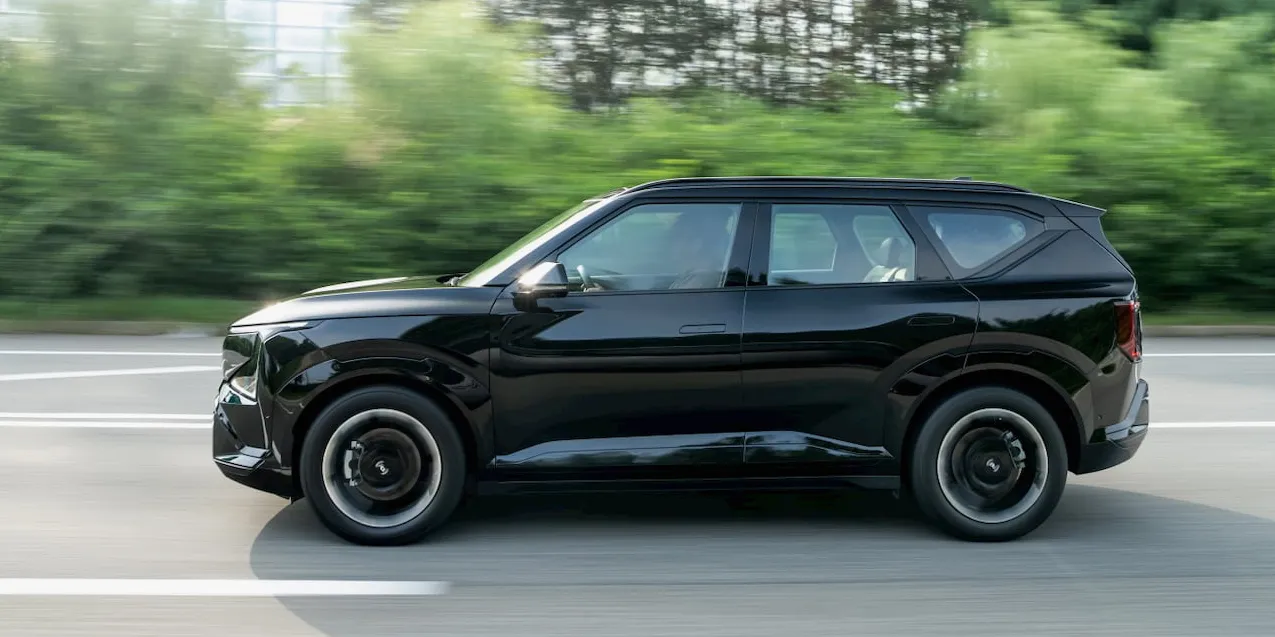
    They matter less as vehicles you can buy today and more as a signal of where resilient mobile power is heading. Hyundai’s new April IONIQ concepts—an electric sedan and a family SUV—show that mainstream automakers still see battery-heavy platforms as everyday transportation, not niche experiments. For preparedness-minded readers, that is relevant for one reason: the family vehicle is slowly becoming a larger mobile energy asset.

    But do not overread the headline. Concept vehicles are not a backup plan. They do not replace a tested home battery, a portable power station, or a field-ready DC charging kit. If you are building resilience this season, your immediate focus should stay on gear you can deploy now, not future capability.

    That said, EV trends do reinforce a smart preparedness principle: distributed stored power beats single-point dependence. A home with one fragile generator setup is less flexible than a home with layered energy sources—vehicle charging strategy, portable battery storage, USB power banks, efficient lights, and low-draw appliances.

    For families who road-trip through fire country, mountain passes, or coastal routes, the most useful lesson from EV development is this: plan your loads, not just your range. The same thinking applies whether you drive an electric SUV, a gas truck, or a compact crossover.

    What is the best one-page checklist to use before Tuesday alerts tighten your options?

    Use a short checklist that matches the warning type. Not a giant spreadsheet you ignore until trouble starts.

    If fire weather is issued

    • Charge all batteries before peak wind arrives
    • Stage extinguishers where you can reach them in seconds
    • Avoid outdoor flame use unless absolutely necessary
    • Move vehicles, generators, and chargers away from dry grass
    • Pre-cool refrigeration and freeze extra water bottles
    • Switch to LED lighting and low-watt devices to stretch stored power
    • Pack masks, goggles, and evacuation-ready documents in one place

    If small craft conditions are issued

    • Fully charge navigation, lighting, and communication gear
    • Store power banks and radios in waterproof bags
    • Secure all cables so they do not become hazards underway
    • Bring one non-phone signaling method and test it
    • Check running lights, bilge pumps, and battery condition before departure
    • Assume less solar charging and more battery draw than usual
    • Delay marginal trips if your power margin is thin

    If you want one rule that covers both scenarios, use this: the harsher the weather, the more your plan should shift from convenience gear to mission-critical gear. Fancy chargers, high-draw appliances, and “nice-to-have” electronics can wait. Communications, lighting, refrigeration for essentials, and life safety cannot.

    That is why the most prepared people do not just collect gear. They re-rank it as conditions change. April warnings, whether they involve waters, wind, or wildfire risk, are reminders that timing matters as much as equipment. When an alert is issued and conditions are expected to worsen until Tuesday, your best move is not buying more stuff at the last minute. It is tightening your load list, charging early, and making sure every watt you carry has a job.

  • Flood and Small Craft Alerts Expose 3 Critical Prep Mistakes

    You do not need a hurricane or a regional blackout to get trapped in a dangerous weather window. Sometimes it is a river sitting one foot above flood stage in Kansas, or a stretch of nearshore water where dense fog cuts visibility below 1 nautical mile while 3 to 6 foot waves build before breakfast. That is the kind of setup that catches ordinary people off guard: not cinematic disaster, just a fast-moving mix of water, wind, low visibility, and bad timing. If your emergency plan only activates when the threat looks huge, you are already behind.

    The real lesson in these alerts is not the headline hazard

    Recent warnings paint a very specific picture. Along the Big Blue River near Blue Rapids, minor flooding was already occurring with the river at 27.0 feet, above a 26.0-foot flood stage, with lowland flooding expected from Marysville to Tuttle Creek Lake before waters gradually fell below flood stage Tuesday morning. At the same time, mariners on Lake Michigan nearshore waters from Washington Island to Sturgeon Bay faced a double hit: dense fog reducing visibility to less than 1 nautical mile, followed by a small craft advisory with southwest winds around 10 to 15 knots, shifting west, and waves reaching 3 to 6 feet. Farther east between Port Sanilac and Port Huron, sustained southwest winds were expected up to 21 knots with gusts to 27 knots, plus 3-foot significant waves and possible 4-foot maximum wave heights.

    These are not the same event, but they expose the same preparedness weakness: many people plan by category name instead of operational impact. “Minor flooding” sounds manageable until the road you need is underwater. “Small craft advisory” sounds optional until fog strips away your horizon and wind-driven chop turns a routine run back to shore into a control problem. The hazard label matters less than what it does to movement, visibility, power, communication, and timing.

    Preparedness rule: A warning is not just about the weather element itself. It is about the services and escape routes that weather can remove before you realize you need them.

    Mistake #1: Treating “minor” as low consequence

    The flood warning in Kansas is a perfect case study in how people underestimate water. The language says minor flooding, but the impact statement is what should shape your decisions: lowland flooding occurs from Marysville to Tuttle Creek Lake. That means access problems, wet crossings, isolated properties, delayed farm movement, and more strain on batteries, pumps, and vehicle fuel because every errand gets longer or impossible. One foot above flood stage does not sound dramatic. On the ground, it can force a total reroute or strand equipment where you cannot safely retrieve it.

    Here is the counter-intuitive part: slowly improving forecasts can create overconfidence. If a river is expected to fall below flood stage by Tuesday morning and continue dropping to 16.0 feet by Wednesday morning, many people hear “problem solved.” But during the active warning window, your risk remains immediate. If your backup power is stored in a shed near a low spot, or your portable solar panel is stacked in the garage behind gear you only move once the driveway is wet, you have delayed your own response. Water events punish procrastination.

    An expert-level move is to pre-stage your essentials before the peak impact period, not after the warning has been issued for hours. That means moving battery stations, charging lights, topping off power banks, and getting boots, rain gear, and vehicle recovery items into one accessible loadout. If your household has to build or refresh a realistic kit, start with durable disaster preparedness supplies that can be grabbed in minutes instead of scattered across closets and storage bins.

    Why this matters for off-grid power

    Flood conditions change how you use electricity. You may lose access to an outbuilding outlet. You may not want to run extension cords across wet ground. You may need to prioritize only critical loads: phone charging, weather radio, LED lighting, a small medical device, or a sump-related tool. That is why watt-hours matter more than marketing. A compact power station in the 300Wh to 700Wh range can cover communications and lighting for a 72-hour disruption far better than a drawer full of half-charged USB gadgets. If you live in a flood-prone corridor, your backup power should be portable enough to move fast and sealed well enough to store above ground level.

    Mistake #2: Planning for wind but not visibility

    Most small-craft owners respect waves. Fewer truly prepare for fog. That is backwards. In the Green Bay marine alert, the dense fog advisory was paired with visibility under 1 nautical mile before the advisory for hazardous waves and winds. In practical terms, that means you can lose situational awareness before the water gets rough enough to scare you. On a nearshore route, that changes everything: navigation, speed control, collision avoidance, and your confidence in reaching harbor quickly.

    Ask yourself one hard question: if the shoreline disappears and your chartplotter fails, do you still have a layered plan? Many people do not. They have a charged phone but no waterproof backup battery, a GPS but no spare light, a VHF radio with weak charging discipline, and no dry storage system separating electronics from spray. Dense fog is a systems test. It exposes whether you built redundancy or just bought gadgets.

    Marine prep rule: When visibility drops first, your best safety gear is not horsepower. It is redundant navigation, protected power, and the discipline to turn back early.

    The wind numbers in the Michigan advisory underline the point. Sustained southwest flow up to 21 knots with gusts to 27 knots is enough to create an ugly ride for smaller boats, especially if your return course puts waves on the beam. Add 3-foot significant waves with peaks around 4 feet, and even experienced operators have to work harder to maintain control and comfort. But if you were already compromised by low visibility or poor battery management at 4 or 5 AM, the hazard compounds. Conditions rarely arrive one at a time.

    Mistake #3: Building a kit around comfort instead of continuity

    This is where the emergency preparedness and off-grid power worlds overlap. Too many kits are built around convenience items rather than continuity items. Convenience says extra snacks and a blanket in the trunk. Continuity says charged lighting, weather updates, communication redundancy, dry storage, and enough stored energy to maintain those functions through a delayed return, a detour, or an overnight shelter-in-place. The recent warnings from Kansas, Wisconsin, and Michigan all point to the same truth: your kit has to keep you functional when travel gets slower, murkier, or temporarily impossible.

    For river-adjacent households, continuity means a home-ready module and a vehicle-ready module. For small-craft users, it means a dock-to-boat transfer checklist that includes power every single time: headlamp, fully charged VHF, phone in a waterproof pouch, compact USB battery bank, and at least one independent light source that does not rely on the boat’s primary electrical system. For both groups, the basic 72-hour planning standard still works because it forces a simple question: what do you need to communicate, navigate, and stay informed for three days if access is restricted?

    That is also why broad household kits should not be too bulky to move. The best emergency preparedness supplies are not just comprehensive; they are organized by mission. Flood module. Vehicle module. Marine module. If everything lives in one oversized tote, you will leave critical pieces behind when time is short and stress is high.

    A smarter way to stage gear before the next advisory

    You do not need a bunker mentality. You need a sharper trigger point. When a warning or advisory is issued, use a five-minute activation routine:

    • Charge now: phones, power banks, handheld radios, headlamps, and your portable power station.
    • Move gear up: get electronics, medication, and documents above any flood-prone floor level.
    • Separate essentials: one bag for power and communications, one for clothing and weather protection, one for food and water.
    • Cut decision time: pre-load offline maps, confirm forecast timing, and set check-in expectations with family.
    • Respect the downgrade lag: do not assume improving forecasts mean safe conditions right away.

    That last point matters more than most people realize. A river can be falling and still dangerous. A fog advisory can expire while waves remain punishing. A wind shift can improve one shoreline and worsen another. Preparedness is not about owning the most gear. It is about understanding the sequence of failure: first your visibility, then your route, then your communication margin, then your options.

    If you take one lesson from these April alerts, make it this: build for disruption, not drama. The most common emergencies are not always the biggest ones on the map. They are the ones that quietly remove your mobility and force you to depend on whatever power, lighting, and planning you already have on hand.

  • Flood Alerts and Lake Storms Expose Weak Spots in Backup Power

    Flood Alerts and Lake Storms Expose Weak Spots in Backup Power

    You don’t need a landfalling hurricane to discover your emergency kit has holes. A river that quietly climbs from 19.4 feet to a forecast 32.5 feet over a few days can do it. So can a fast-moving band of showers over the Bay of Green Bay pushing winds to around 30 knots. Add a headline about a newly affordable electric vehicle, and a bigger preparedness story comes into focus: people are paying attention to power again, but many still confuse having electricity with having resilient power. Those are not the same thing when roads close, flood gates shut, and weather shifts by the hour.

    Flood Alerts and Lake Storms Expose Weak Spots in Backup Power

    The real lesson behind this week’s alerts is not weather alone

    The dominant signal here is warning, not product hype. On one side, the National Weather Service alert for the Red River of the North at Oslo points to moderate flooding, with the river expected to rise above flood stage Wednesday and continue toward roughly 32.5 feet by Saturday or Sunday. Flood stage there is 26.0 feet, and city flood gate closures begin at 21.0 feet. Pump operations start at 23.0 feet. By 30.0 feet, levee and floodwall patrols begin. Those numbers matter because they translate abstract weather language into real-world friction: blocked travel, interrupted routines, delayed fuel access, and higher odds that your normal charging plan fails exactly when you need lights, radios, and communications most.

    Preparedness rule: If a warning includes operational thresholds like gate closures, pump activation, or patrol triggers, assume your access to stores, charging, and quick resupply may tighten before the worst water arrives.

    On the other side, the marine statement out of Green Bay is a reminder that not every dangerous event is slow. Doppler radar showed showers and isolated storms capable of producing winds to around 30 knots, moving northeast at 40 knots across central and southern Bay of Green Bay and the nearshore and open waters of Lake Michigan from Sturgeon Bay to Sheboygan. That is the kind of weather that catches anglers, weekend boaters, marina crews, and shoreline campers with their guard down. One minute you are checking the sky; the next you are dealing with rough water, reduced visibility, spray, and a hard deadline to secure gear and get information. If your emergency plan depends on a phone with 18% battery and no charging backup, you already know where this is going.

    Cheap EV headlines are exciting, but backup power planning needs a different mindset

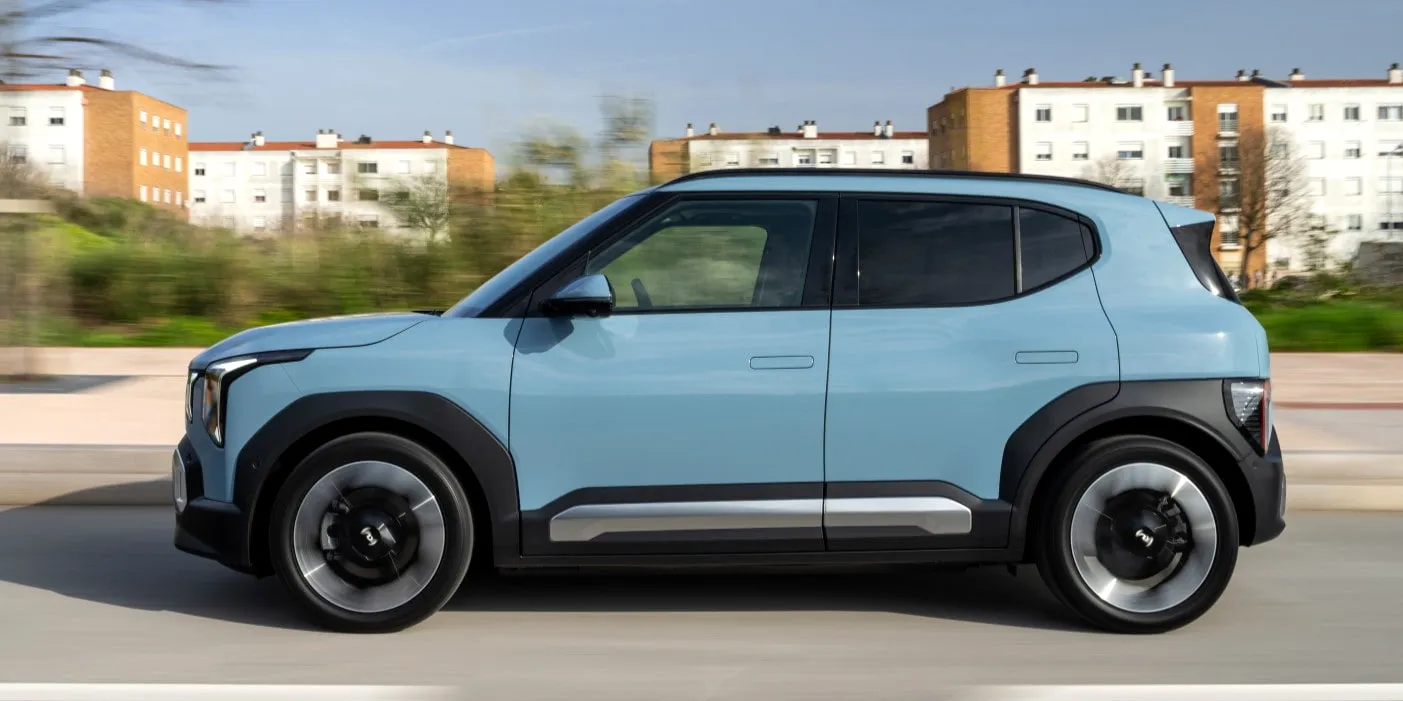
    Kia opening European orders for its EV2 at lower-than-expected prices is genuine market news. Affordable EVs matter. They signal broader consumer demand for efficient batteries, cheaper energy use, and practical electrification. But the preparedness takeaway is not “an EV solves emergency power.” That is where too many people make a category error. A vehicle battery is transportation infrastructure first. Your household resilience stack is something else: lighting, weather awareness, communication, redundancy, and low-draw devices you can run for 72 hours without drama.

    If you live in flood country, a vehicle can become inaccessible, stranded, or simply too valuable to treat casually as a backup generator substitute. If you are near the bay or a lakefront launch, weather can force fast movement and messy loading conditions where compact, dedicated gear beats improvised solutions every time. The smarter approach is layered power. Keep your vehicle charged, yes. But also keep a small standalone power ecosystem for the things that matter most: headlamps, radios, phones, medication coolers if needed, and USB-rechargeable safety tools. That ecosystem should be portable enough to grab in a hurry and simple enough for every family member to use in the dark.

    Why warnings expose weak gear faster than blackouts do

    A long outage is obvious. A warning period is trickier. You may still have grid power, but your margin for error shrinks. Flood prep often means moving vehicles, staging sandbags, checking sump pumps, calling relatives, and monitoring updates. Marine weather prep can mean returning to port, securing docks, and navigating shifting conditions on a compressed timeline. This is exactly when small failures snowball: dead flashlights, missing batteries, tangled cords, no weather radio, no dry bag, no organized charging kit. A quality Emergency Lighting setup is not glamorous, but it buys you speed, visibility, and decision-making capacity when every minute suddenly matters.

    Expert tip: Build your first 72-hour power kit around low-watt essentials, not comfort appliances. Lights, radio, phone charging, and a battery bank deliver more survival value per watt-hour than almost anything else in a short emergency window.

    That watt-hour logic is where many kits improve fast. A phone recharge may take roughly 10 to 20 watt-hours depending on the device and charging losses. An efficient LED lantern can run for hours on a modest internal battery. A weather radio uses very little power compared with what people imagine. Start there. If your budget is tight, prioritize reliability over capacity bragging rights. One durable lantern, one battery bank, one weather radio, and one disciplined charging routine will outperform a box of random gadgets purchased in panic mode.

    Your most important flood and storm tools are boring—and that’s exactly why they work

    People preparing for dramatic weather often overbuy knives and underbuy information tools. The flood warning in the Grand Forks region and the marine statement near Green Bay both point to the same operational truth: situational awareness beats heroics. You need alerts, light, waterproof storage, and hands-free communication power. A solid hand crank weather radio earns its place because it keeps delivering warnings when cell coverage degrades, charging options disappear, or you are intentionally conserving phone battery for calls and mapping.

    Here is the expert-level move most people skip: stage your gear by movement scenario, not by room. Have one compact grab kit for a fast vehicle relocation, one home kit for sheltering in place, and one water-adjacent pouch for boat, dock, or shoreline use. Each should include a light source, charging cable, battery backup, whistle, and weather reception. For flood zones, elevate the home kit above projected seepage or basement risk. For marine use, use waterproof pouches and attach a glow marker or reflective strip. Simple? Yes. Life-saving? Also yes.

    Small gear still matters when the threat is water

    Not every item in an emergency loadout is electrical. Fast-changing weather often forces awkward physical tasks: hauling bins, tying down tarps, securing coolers, lashing doors, bundling wet gear, marking boundaries, and improvising repairs. That is where compact retention and utility items come in. Even something as humble as Paracord Survival Bracelets can make sense in a flood or marina context if you treat them as backup cordage rather than gimmicks. They are not a substitute for proper rope, but they are useful redundancy when you need to secure loose equipment, organize cables, or improvise a quick tie-off while your hands are cold and time is short.

    The bottom line is straightforward. This week’s combination of river flooding concerns, marine weather hazards, and EV affordability news tells you that power is becoming more central to daily life, not less. But preparedness is not about chasing the biggest battery or assuming your vehicle covers every scenario. It is about building a resilient, portable system that survives warning-stage stress. If the river near Grand Forks is climbing, if winds on the bay are building, or if you may need to move fast before conditions worsen, you should already know where your light, radio, charging kit, and waterproof essentials are. If you have to search for them, your plan is not ready yet.

  • Flash Flood Warnings Are Getting Faster—Your Power Kit Should Too

    Flash Flood Warnings Are Getting Faster—Your Power Kit Should Too

    You do not need a weeklong disaster to get in trouble. Sometimes it is a three-hour weather window, a washed-out county road, a dead phone, and a car charger that suddenly matters more than the fanciest generator in the garage. That is the real lesson buried inside this week’s mix of alerts: emergency risk is getting more localized, more abrupt, and more punishing for anyone whose backup power plan only works under ideal conditions.

    Flash Flood Warnings Are Getting Faster—Your Power Kit Should Too

    This is not one story. It is several warnings pointing at the same preparedness truth. A flash flood warning in south central Texas escalated after radar and automated gauges showed 5 to 7 inches of rain, with up to 2 more inches possible. A hydrologic outlook in Kansas showed a river rising close to flood stage. A small craft advisory in Alaska signaled rougher marine conditions building over multiple days, with seas pushing to 11 feet. And in Myanmar, attacks on health care highlighted what happens when infrastructure, mobility, and access to treatment all break down at once.

    The trend is bigger than weather: short-notice emergencies now punish slow, bulky, fuel-dependent, or badly organized gear setups first.

    The quick trend line: warnings are narrower, faster, and more operational

    If you follow emergency alerts closely, one pattern jumps out. The most useful warnings are no longer broad seasonal reminders. They are increasingly hyper-specific, time-sensitive, and tied to immediate action.

    • Texas flash flood warning: life-threatening flash flooding was already occurring, not merely possible.
    • Rainfall intensity: 5 to 7 inches had already fallen in parts of the warned area, with additional rainfall expected.
    • Impact language: creeks, streams, urban areas, highways, streets, and underpasses were all named as likely problem zones.
    • Kansas hydrologic outlook: the Republican River at Clay Center was forecast to crest just below flood stage, a reminder that “not yet flooding” can still become a movement, access, and planning problem.
    • Alaska marine advisory: a multi-day progression from lighter winds to stronger southerly and southwesterly flow, with seas building from 7 feet toward 11 feet, shows how exposure risk can stack up even without a headline-grabbing storm.

    Preparedness readers should pay attention to that wording. Already occurring, forecast crest, later statements may be issued, seas building—those are operational phrases. They tell you the hazard is moving from abstract forecast to real-time consequence.

    Why this matters for off-grid power and survival gear

    Many people still build their kits around the wrong timeline. They shop as if they will have plenty of notice, easy road access, dry storage, fuel availability, and stable communications. But what if the window is two hours? What if the underpass is blocked, the phone battery is at 18%, and you cannot safely run extension cords where water is rising?

    Your gear has to work in motion, not just at home.

    • A massive gas generator may be useful after a long outage, but it does little for a fast evacuation.
    • A dead power bank is not backup power. It is just extra weight.
    • A solar panel that only performs when carefully deployed in full sun may be less useful during flood conditions than a compact DC charging setup kept topped off in advance.
    • A marine emergency kit that ignores battery redundancy can become dangerous long before fuel runs low.

    The hidden preparedness lesson from the Texas flood warning

    Flash flooding is often framed as a driving hazard. That is true, but it is also a power management problem. When rainfall totals stack up this fast, your day changes shape immediately.

    • Cell coverage can degrade when towers lose power or local congestion spikes.
    • Vehicle charging may become your lifeline if home electricity fails or you leave in a hurry.
    • Battery-powered lights matter early, not just after nightfall, because indoor visibility can drop sharply during severe rain bands.
    • Pumps, refrigerators, and medical devices become immediate concerns if outages follow localized flooding.

    The practical takeaway is simple: your first line of resilience should be small, charged, and ready to grab.

    Priority order for a flood-ready power layer:

    • A charged phone plus a secondary charged phone if your household has one
    • A quality power bank in the 10,000 to 20,000 mAh range for personal mobility
    • A car charger with both USB-C PD and legacy USB-A outputs
    • A compact lantern or headlamp using common batteries or rechargeable cells
    • A portable power station sized for your actual loads, not fantasy loads

    If you are reviewing your emergency preparedness gear, start by asking one blunt question: Can I keep communications, lighting, and one critical device running for 72 hours if I cannot return home tonight?

    Expert tip: stop buying watt-hours before you calculate watts

    This is where many otherwise smart shoppers get sloppy. They buy a battery by capacity headline alone.

    That is backwards.

    Before you care about watt-hours, list the devices you truly need:

    • Phone: roughly 10 to 20 watts while charging
    • LED lantern: often 5 to 15 watts equivalent draw depending on type
    • Small medical device: highly variable, but some are surprisingly modest while others require inverter support
    • Portable radio: low draw, but mission-critical in cell dead zones
    • Laptop: often 45 to 100 watts while charging

    Why does that matter? Because during a flash flood event, output options and charging speed often matter more than giant total capacity. A well-designed smaller unit that charges fast from your vehicle can beat a larger unit you forgot to top off.

    The Kansas river outlook shows a different kind of mistake

    The hydrologic outlook from Kansas did not scream catastrophe. The forecast stage stayed just below the official flood stage. That kind of near-miss alert is exactly what many households ignore. They should not.

    Near-threshold river events create a different preparedness problem: hesitation.

    • People delay topping off batteries because the river is not technically flooding yet.
    • They postpone moving gear from basements, sheds, and low storage.
    • They assume tomorrow morning will offer plenty of time.

    That is a bad bet. Water does not need to break a record to ruin electronics, solar components, paper documents, fuel storage, or medication.

    When a river forecast approaches flood stage, do these three things immediately:

    • Move all battery systems, power stations, chargers, and spare cells above ground level.
    • Pre-charge every communications device and label the cables you actually need.
    • Shift one lighting kit and one power kit to the vehicle in case access changes overnight.

    This is especially important if you keep backup power gear in the basement “because it stays cool.” Cool is nice. Dry is better.

    Why the Alaska small craft advisory matters even if you do not own a boat

    Marine advisories are easy for inland readers to tune out. That is a mistake, especially in a preparedness niche. Coastal and marine alerts often reveal where gear reliability standards are most honest, because failure offshore gets punished fast.

    In this advisory, seas were expected to hold around 7 to 8 feet before building to 11 feet later in the period, with winds increasing as conditions progressed. That kind of forecast reinforces a core principle: environmental stress compounds.

    • Salt exposure degrades cheap connectors.
    • Cold knocks down battery performance.
    • Wind and spray make panel deployment harder.
    • Movement exposes weak storage, poor latches, and bad cable management.

    What does that mean for your land-based emergency setup?

    • Buy weather-resistant cable storage, not loose bins of tangled cords.
    • Favor ports and adapters you can operate with cold hands.
    • Use sealed lighting and charging gear where possible.
    • Test your kit outside, in bad conditions, at least once before storm season.

    That last point gets ignored constantly. Plenty of gear works on a calm kitchen table. Does it work in wind, rain, mud, or with gloves on?

    The infrastructure warning most people will miss

    The most serious source in this batch was not a weather bulletin at all. The Myanmar reporting described a prolonged pattern of violence against health care, including damage to facilities, deaths of health workers, arrests, restrictions on medical supplies, and a recent strike that reportedly damaged a school building used as a makeshift hospital.

    You may not be preparing for armed conflict. Most readers are not. But the systems lesson is universal: when medical infrastructure is strained, disrupted, or inaccessible, household self-sufficiency suddenly matters much more.

    • Power for refrigeration-sensitive medications becomes more important.
    • Lighting for home care becomes more important.
    • Communications redundancy becomes more important.
    • Mobility-ready gear beats gear that only works in a fixed location.

    This is where preparedness stops being a hobby and becomes a standards issue. If a clinic closes, routes are blocked, or resupply is delayed, your home kit needs to bridge the gap safely. That does not mean pretending you are a field hospital. It means having enough reliable power, light, water, and medical organization to handle the first 24 to 72 hours without panic.

    Reality check: The best emergency power setup is not the one with the biggest spec sheet. It is the one you can access immediately, carry easily, recharge from multiple sources, and match to your actual critical loads.

    Where the EV story fits into preparedness

    At first glance, a new sub-$27,000 electric hot hatch for the UK sounds unrelated. It is not entirely. Affordable EV news matters because it keeps pushing one preparedness conversation into the mainstream: mobile energy storage is becoming normal consumer behavior, not niche gear culture.

    No, a compact EV is not a replacement for a full emergency energy plan. But the broader shift matters:

    • People are becoming more comfortable thinking in batteries, charging curves, and range trade-offs.
    • Households are paying more attention to home charging resilience.
    • Bidirectional backup power and vehicle-to-load discussions will only grow from here.

    Preparedness-minded readers should watch this trend carefully. The more electrified your mobility becomes, the more your emergency planning has to include charging access, cable compatibility, and realistic load management.

    That does not mean abandoning simple tools. It means layering them:

    • Layer 1: pocket light, phone cable, compact power bank
    • Layer 2: vehicle charging and organized DC accessories
    • Layer 3: portable power station with known essential loads
    • Layer 4: solar input or longer-duration backup where your climate and use case justify it

    The new preparedness playbook: faster grab, smaller power, smarter staging

    If there is one trend tying these alerts together, it is this: emergency readiness is shifting away from “big event someday” and toward small-window disruption right now.

    That should change how you stage gear this season.

    • Keep one charging kit in your vehicle, not all of it in the house.
    • Store backup batteries above likely water intrusion zones.
    • Use waterproof or highly water-resistant pouches for cables, radios, and lights.
    • Maintain at least one light source per person, plus one area light.
    • Test your kit quarterly with a no-grid evening drill.
    • Build around the 72-hour rule, but make sure the first 6 hours are effortless.

    The first six hours are where most real failures happen. People cannot find the right cord. The lantern is dead. The battery bank was borrowed and never recharged. The weather radio is buried under camping gear. That is not a gear shortage. That is a staging failure.

    Your smartest move this week

    Do one fast audit tonight. Pull out your portable power, lighting, and charging gear and sort it into two piles:

    • Grab in 60 seconds
    • Useful, but too slow

    Then fix the second pile.

    Warnings are getting more localized. Rainfall is getting more intense in short bursts. Water rises faster than your planning mood does. The households that do best are rarely the ones with the most stuff. They are the ones whose most important gear is charged, portable, dry, and ready before the county alert hits their phone.

  • Marine Warnings Reveal a Bigger Preparedness Gap Than Most Kits Cover

    Marine Warnings Reveal a Bigger Preparedness Gap Than Most Kits Cover

    You can have a full pantry, a charged power station, and a decent storm plan—and still be badly underprepared the moment rough water, remote roads, or a sudden evacuation enter the picture. That is the uncomfortable lesson hiding inside recent small craft advisories out of Alaska, climate adaptation research from remote Nordic communities, and the broader disaster-recovery conversation happening at international workshops. Preparedness is no longer just about riding out a blackout at home. It is about staying functional when weather turns hazardous, communications thin out, and normal support gets slower, farther away, or both.

    Marine Warnings Reveal a Bigger Preparedness Gap Than Most Kits Cover

    The most useful takeaway is not abstract: if your emergency setup only works in your house, on your driveway, or with a stable cell signal, you have a gap. And that gap gets wider in coastal zones, rural corridors, ferry-dependent towns, and any place where sea state, wind, road conditions, and distance all compound each other.

    Why do marine warnings matter even if you are not a boater?

    Because marine alerts are often an early, brutally honest signal of how quickly conditions can exceed everyday gear and everyday assumptions. Recent Alaska advisories flagged seas of 6 to 8 feet in one area and 7 to 10 feet in another, with sustained winds reaching around 30 knots. That is not just “bad boating weather.” It tells you transportation, resupply, fishing access, harbor movement, and emergency response timelines can all get disrupted.

    If you live in a coastal community, camp near exposed water, depend on ferries, travel in shoulder seasons, or plan overland routes that run parallel to harsh weather zones, those warnings should influence your gear choices. A rough-sea advisory can cascade into delayed deliveries, stranded travelers, slower medevac access, and harder communication conditions. Preparedness starts long before the storm reaches your doorstep.

    Think about the hidden chain reaction:

    • Fuel and food access can tighten when transport slows.
    • Medical access can degrade if small craft, local operators, or connecting routes become unsafe.
    • Search-and-rescue windows narrow when winds and seas build.
    • Power becomes more critical because weather delays often stretch from hours into days.

    That is why a coastal or remote-area readiness plan should be built differently from a suburban outage kit. You need mobility, redundancy, and communication options that do not depend on ideal conditions.

    A smart baseline is to treat severe marine weather the same way you would treat a winter road closure or wildfire evacuation notice: as a logistics warning. You may not be on a boat, but the system around you is still affected.

    What does climate adaptation in remote communities teach about real preparedness?

    The most important lesson is that resilience is not a single product. It is a behavior pattern. Research on small remote Nordic communities shows that people adapt through awareness, everyday routines, and local civic action—not by waiting for a perfect centralized solution. That matters for emergency preparedness because many households still shop as if one big battery or one premium gadget will solve everything.

    It will not.

    Remote communities tend to survive disruptions better when residents normalize a few practical habits:

    1. They track local hazards early instead of reacting late.
    2. They store essentials in layers rather than relying on one stockpile.
    3. They maintain social and communication links before an emergency happens.
    4. They adapt routines seasonally as risks change.

    This is where many emergency kits fail. They are assembled once, sealed up, and forgotten. Real-world adaptation looks more like a living system. Your winter loadout should not match your shoulder-season ferry loadout. Your home blackout kit should not be identical to your truck bag. Your coastal weekend bag should not assume dry, calm, easily navigated conditions.

    If you want one expert-level rule, use this: build for the failure of your first assumption. If you assume roads stay open, prepare for closures. If you assume your phone works, prepare for dead zones. If you assume home is the safest place, prepare for relocation.

    That is why communication gear deserves more attention than it usually gets. A flashlight helps you see. A radio, signal light, whistle, or locator helps other people find you and coordinate with you. For anyone planning for storms, remote travel, shoreline exposure, or low-connectivity areas, a dedicated Field Communication setup is not overkill—it is one of the most practical upgrades you can make.

    Should your backup power plan change if EVs and mobile living are part of the picture?

    Yes, but not for the reason many people think. The sighting of another mid-size electric SUV testing in the US is a reminder that more households are blending transportation, backup power expectations, and outdoor mobility into one lifestyle. People see an EV-sized battery and immediately imagine a rolling emergency power solution. Sometimes that is realistic. Often it is not, at least not in the way social media suggests.

    The real issue is not whether an electric SUV is “good” for preparedness. The issue is whether your broader system is designed around verified access, usable outputs, and charging resilience.

    Ask yourself:

    • Can you recharge during a prolonged outage if public charging is down or lines are long?
    • Do you have a Level 1, Level 2, or off-grid-compatible backup strategy?
    • Are you counting on vehicle power export features your specific model may not support?
    • Have you separated transportation reserve from home backup reserve?

    That last one is where people get sloppy. If your vehicle is also your evacuation asset, do not casually drain it to run household loads unless you know your margins. A storm week is not the time to discover that your “backup power” plan ate into your escape range.

    For most households, the safer setup is layered:

    Preparedness Layer Best Use Common Mistake
    Portable power station Medical devices, comms, lights, small electronics Buying too small for real runtimes
    Portable solar panel Extended outages, low-draw recharge Expecting full-rated output in poor weather
    Vehicle battery or EV support Emergency reserve, mobility-first planning Using transport energy too aggressively
    Fuel-based generator High-load backup for refrigeration or pumps Ignoring fuel storage, noise, and ventilation risks

    If you want reliability, prioritize critical-load math over marketing. A CPAP, radio charger, phones, and LED lights may only require modest wattage, but refrigerators, heaters, hot plates, and pumps escalate demand fast. Know your watt-hours. Know your charging windows. Know your winter derating if you use solar.

    And if you travel, stage essentials separately from your power kit. Your food, water, meds, and trauma supplies should stay accessible even if charging plans fail. A well-built 72 hour survival kit still matters because batteries do not replace hydration, calories, shelter, or warmth.

    What are the most overlooked gear gaps for coastal, remote, and storm-prone emergencies?

    The biggest misses are boring. That is exactly why they matter.

    1. Communication redundancy

    Many people carry one phone and call it a plan. In remote or weather-stressed environments, that is fragile. You need at minimum a charged phone, backup battery, cord, and one low-tech signaling method. In some cases, weather radio capability or satellite messaging is justified.

    2. Water and thermal protection

    Wind and spray can push mild conditions into dangerous territory faster than air temperature alone suggests. A wet, cold person loses function quickly. Pack layers for immersion-adjacent conditions even when you do not expect full water exposure: shell layer, insulation, gloves, hat, dry socks, and emergency blanket or bivvy.

    3. Medical realism

    Most kits are too light on trauma supplies and too heavy on convenience items. Blisters and bandages matter, but so do bleeding control materials, medications, anti-nausea support, and the ability to stabilize someone while help is delayed. Review your first aid kit items with actual hazard scenarios in mind, not just a generic camping checklist.

    4. Lighting that works in motion

    Lanterns are great in camp or at home. But headlamps, clip lights, and signal-capable lights are often more useful during loading, docking, vehicle recovery, or night movement. Hands-free beats decorative brightness.

    5. Packaging and carry method

    Would your gear survive spray, rain, a tipped tote, or a muddy roadside shoulder? Waterproof pouches, labeled modules, and grab-ready handles matter more than people realize. The best inventory in the world is useless if it turns into a soaked pile of loose gear.

    Practical rule: Pack for one level worse than the forecast. If the advisory says hazardous to small craft, assume transport delays, cold exposure, and communication friction are all more likely than usual.

    How should you upgrade your emergency setup this week?

    Do not rebuild everything from scratch. Fix the weak points that recent warning patterns and climate adaptation lessons make obvious.

    Start with this short checklist:

    1. Audit your kit for mobility. Can you move it fast, carry it alone, and use it away from home?
    2. Separate home backup from evacuation essentials. Your power station and your go-bag should complement each other, not compete.
    3. Add communication redundancy. Include signaling and charging backup, not just a phone.
    4. Stage cold-wet gear. Keep dry layers and hand protection packed where you can reach them quickly.
    5. Map your real 72-hour needs. Water, calories, meds, light, shelter, and heat retention first. Electronics second.
    6. Adjust seasonally. April wind, shoulder-season seas, and changing travel conditions demand different planning than peak summer.

    One more thing: pay attention to what international disaster-recovery events keep emphasizing. The modern preparedness conversation is shifting away from one-time response and toward durable resilience—systems that keep people functioning before, during, and after disruption. That should shape how you buy gear. The best preparedness products are not just high-spec. They fit into routines you can maintain.

    So ask the blunt question your current setup may be avoiding: if weather blocks movement, weakens communication, and stretches help farther away, do you still have a plan—or just a pile of equipment? That distinction is where real readiness begins.

  • When Grid Failure Meets Rough Seas: The Backup Power Lesson

    You do not need to live on a boat in Alaska or in a hurricane-hit Caribbean city to learn the same hard lesson: when wind shifts, fuel gets scarce, and power becomes unreliable, the small stuff breaks first—and then the essential stuff follows. Water treatment stumbles. Refrigeration becomes a gamble. Medical routines get interrupted. Transport slows down. That chain reaction is the real emergency, and the latest marine advisories, public health warnings, and wildfire reports all point to the same preparedness truth: backup power is not a luxury category anymore. It is core survival gear.

    The warning hidden inside very different emergencies

    At first glance, these situations seem unrelated. Southwest Alaska marine zones are dealing with small craft advisory conditions, including building southerly winds up to 30 knots, seas rising to 9 feet, and rain during the Monday period in one forecast area, while a nearby forecast track shows more moderate but still shifting conditions with 15 to 25 knot winds and 4 to 6 foot seas. Meanwhile, Cuba is facing a far more dangerous inland problem: a fragile public health situation worsened by prolonged energy limitations after hurricane impacts, with electricity cuts and fuel shortages disrupting water treatment, cold-chain storage, transportation, and healthcare delivery. Add a forest fire event in Laos lasting from April 2 to April 12, and a pattern emerges. Different hazards. Same weak point. Systems fail faster when energy becomes unstable.

    Preparedness reality: Most households still picture outages as a lighting problem. In real emergencies, outages are first a water, refrigeration, communications, and medication problem.

    That matters because many people buy emergency gear backward. They prioritize dramatic tools over functional resilience. A tactical knife gets attention. A battery-powered way to keep insulin cold, run a router, recharge radios, or power a water filter pump often does not. Yet the Cuba situation shows exactly why electrical continuity matters. Roughly 5 million people are living with chronic diseases requiring ongoing care and medication, and more than 32,000 pregnant women face elevated risk when health services, referrals, and electricity-dependent equipment are disrupted. If a grid failure can amplify a public health emergency at national scale, imagine what a 24- to 72-hour outage can do at household scale when you are unprepared.

    Marine forecasts are not just for boaters

    Emergency-minded readers sometimes ignore marine advisories because they assume those alerts only matter offshore. That is a mistake. Coastal waters forecasts often reveal the broader weather behavior that affects ports, fuel deliveries, ferry routes, fishing communities, and remote supply chains. One advisory window showed variable winds turning south and increasing to 25 knots overnight, then reaching 30 knots with 9-foot seas and rain. Another nearby forecast called for south winds near 25 knots with seas around 5 feet, followed by sustained elevated conditions into Tuesday and southwest flow through midweek. For anyone in exposed or remote regions, that translates into delayed transport, harder resupply, and more pressure on home energy independence.

    If your emergency plan assumes you can top off gasoline, replace propane, or run to town for batteries at the last minute, marine weather alone can break that assumption. This is where disciplined kit building matters. A real backup setup starts with load planning: phone charging is trivial, but refrigeration, CPAP use, medical devices, water purification, and communications are not. Your first move should be to audit critical watts and hours, not just total battery size. A compact power station may cover radios, lights, and small electronics for days, but not a resistance heater or full-size refrigerator. Pairing efficient DC loads, USB charging, and selective appliance use with a portable solar panel gives you a longer runway than many generator-dependent households realize. That is also why a sensible stock of disaster preparedness supplies should include both power accessories and low-energy alternatives, such as gravity filtration, headlamps, and manual cooking options.

    The expert-level tip most people miss

    Build around continuity, not convenience. In practical terms, that means identifying the minimum daily energy needed to preserve health and decision-making. For many households, the critical tier is remarkably modest: communications, lighting, a weather radio, medication cooling, limited fan use, and the ability to maintain safe water. Once you isolate that tier, your power planning gets cheaper and more realistic. A 500Wh to 1,500Wh battery system can be surprisingly capable if your loads are efficient and intentional. The people who fail during outages are often not the ones with too little gear—they are the ones running the wrong loads.

    Rule of thumb: If an item protects hydration, food safety, medical stability, or communications, it belongs in your first-tier power budget. If it only protects comfort, it belongs lower on the list.

    Cuba’s energy strain shows why backup power must support health first

    The Cuba update is especially sobering because it describes a layered emergency, not a single event. Persistent hurricane impacts are colliding with long-running electricity outages and fuel scarcity. That combination is affecting water systems, cold-chain reliability, transport, and healthcare operations all at once. The public health risks are predictable: more exposure to waterborne and foodborne disease, more vulnerability to respiratory and mosquito-borne illness, and greater danger for people whose daily treatment depends on refrigeration, electrically powered equipment, or accessible clinics. The lesson for preparedness readers is blunt: your backup power plan should be medically literate.

    Ask yourself a harder question than “Can I keep the lights on?” Ask, “Can I safely maintain one person’s health routine for 72 hours if roads are blocked, fuel is limited, and the outage is only part of the problem?” That shifts your buying decisions fast. It may push you toward a battery system with pass-through charging, a DC medical cooler, a thermometer for stored medication, spare power banks for phones, and a written load schedule so you do not accidentally drain your reserve on nonessential devices. It also reinforces why every home should have a true 72 hour survival kit that covers water, shelf-stable calories, lighting, sanitation, and communication basics without assuming continuous grid support.

    Wildfire smoke, transport disruption, and the off-grid mindset

    The forest fire event in Laos may look like the outlier here, but it actually sharpens the argument. Fires do not just threaten flames at the perimeter. They trigger smoke exposure, local evacuations, transportation interruptions, and strain on already fragile infrastructure. The same is true in many wildfire-prone regions: you may lose mobility before you lose your house, and you may lose breathable air before you lose utility power. Preparedness in that environment means layering mobility, communication, and power. Can you grab a compact battery, charge essential devices in transit, run a purifier or fan in a sheltering scenario, and keep navigation and alerts available? If not, your emergency plan is too static.

    This is also where small, often-dismissed gear earns its place. A power failure during evacuation or shelter movement is when cable management, hands-free light, compact charging, and cordage suddenly matter. No, a bracelet will not replace a full rope kit or battery bank. But practical redundancy has value, and compact field-use tools like Paracord Survival Bracelets make sense when they are part of a broader system rather than treated like magic talismans. The same principle applies to all survival gear: utility beats novelty every time.

    The real takeaway: prepare for cascading failure, not a single alert

    That is the thread connecting rough coastal forecasts, public health stress under prolonged blackouts, and a multi-day forest fire notification. The danger is rarely one headline by itself. It is the cascade. Wind becomes transport disruption. Fuel scarcity becomes medical risk. A storm-damaged grid becomes a water safety issue. Fire becomes a mobility and respiratory issue. Your best response is not to chase every alert with a different shopping spree. It is to build one resilient system centered on water, communications, medical continuity, and efficient backup power. If your current setup cannot cover those priorities for three days with disciplined use, fix that before buying another “survival” gadget. That is the kind of preparedness that still works when forecasts change, roads close, and the outage lasts longer than promised.

  • Red Flag Fire Weather and Marine Alerts: Your Gear Questions Answered

    You can have a full battery station, a folded solar panel, and a neatly packed go-bag on the shelf—and still be badly underprepared by noon. Why? Because a dry, windy red flag day in Colorado and a rough-water small craft advisory in Southeast Alaska do not punish the same mistakes. Add an active forest fire in Laos and a loud debate over nuclear versus renewable land use, and one lesson becomes obvious: emergency planning fails when people treat every hazard like the same generic outage. The smart move is to match your gear, power plan, and decision-making to the actual warning in front of you.

    This week’s mix of fire weather alerts, marine advisories, and energy debate points to a preparedness truth that gets missed all the time: warnings are not just information products. They are buying signals, packing signals, and behavior signals. If you read them correctly, they tell you what not to do just as clearly as they tell you what to bring.

    What does a Red Flag Warning actually mean for your preparedness plan?

    A Red Flag Warning is not simply “high fire danger.” It means weather conditions are lining up for rapid fire growth if ignition happens. In the Denver-area warning, the key ingredients were very low relative humidity—down to 10 percent—and southwest winds of 10 to 20 mph with gusts up to 30 mph. That combination matters because dry fuels ignite easily, and wind pushes flame fronts, lofts embers, and turns a small spark into a fast-moving problem.

    For preppers, off-grid campers, and rural homeowners, that changes the gear hierarchy immediately. On a red flag day, your priority is not comfort equipment. It is ignition prevention, rapid evacuation readiness, and clean backup power that does not create new fire risk.

    • Skip spark-producing tools unless absolutely necessary. That includes grinding, welding, dragging trailer chains, and sometimes even parking a hot vehicle over dry grass.
    • Do not rely on open-flame cooking outdoors if local guidance warns against activities that may produce a spark.
    • Favor battery power over combustion for small electronics, lights, and communications during the warning window.
    • Stage your evacuation kit early, not when you smell smoke.

    The practical mistake many people make is assuming a fire warning is mostly for firefighters or land managers. It is not. It is for you if you camp, tow, live near grassland, use a chainsaw, run a generator, or even charge gear in a detached shed with poor ventilation.

    Here is the expert-level tip: on extreme dry days, move your power setup onto non-combustible ground. A lithium power station, charger brick, or inverter should sit on concrete, gravel, stone, or bare mineral soil—not on a wood deck covered with dry pine needles. That sounds small, but preparedness is often won by removing one stupid risk before it becomes a cascading problem.

    If your kit still leans heavily on candles, propane lanterns, or aging fuel cans, this is a good time to audit your disaster preparedness supplies and remove anything that adds ignition danger on fire weather days.

    How should your gear change when the alert is marine instead of wildfire?

    A Small Craft Advisory calls for a completely different mindset. The Southeast Alaska marine forecast included west and southwest winds around 15 to 20 knots with seas building from 5 feet to 8 and 9 feet, along with rain showers and even late snow showers. That is not the same kind of emergency pressure as a red flag event. On the water, the bigger threats are exposure, loss of control, soaked electronics, and delayed rescue.

    This is where many land-based preparedness checklists break down. A “72-hour kit” built for road evacuation can be surprisingly weak offshore or along a cold coast. Water doesn’t care how expensive your flashlight was if your comms die from spray, your spare layers are cotton, and your battery bank has no waterproof storage.

    Your marine-ready setup should prioritize:

    • Waterproof communication redundancy: VHF radio first, then charged phone in a sealed case, then battery backup stored dry.
    • Thermal protection: insulating layers, waterproof shell, gloves, and extra socks in dry bags.
    • Navigation resilience: paper charts or local route notes if appropriate, because wet screens and dead batteries happen.
    • Power storage that tolerates cold and moisture management: battery banks inside dry pouches, warmed when possible, with cables protected from corrosion.
    • Lighting that works one-handed: headlamps beat handheld lights when conditions get ugly.

    Notice what is different? Fire conditions punish sparks and delay. Marine conditions punish exposure and water intrusion. Same broad preparedness category, completely different failure modes.

    A good rule is to build hazard-specific modules instead of one giant fantasy kit. Keep a fire module, a marine module, and a power outage module. Shared basics like first aid, water treatment, and headlamps can overlap, but the environment-specific items should stay distinct. Why gamble on one bag doing everything poorly?

    Where does portable power fit when weather warnings and wildfire risk collide?

    Portable power matters most when it removes risk, not when it merely adds convenience. During red flag conditions, a battery power station paired with a modest solar panel can be far safer than running a gasoline generator for lights, phones, weather radio, and medical devices. During marine advisories, compact battery systems support navigation, communications, and emergency lighting without introducing fuel fumes into tight spaces.

    But this is where buyers get sloppy. They shop by marketing terms like “solar generator” and never run the load math.

    Use this quick framework:

    Device Typical Watts Why It Matters in Emergencies
    Weather radio 3-10W Critical for alerts and updates
    Phone charging 5-20W Communication and mapping
    LED lantern 5-15W Low-draw area lighting
    CPAP without heated humidifier 30-60W Medical necessity for many users
    12V cooler 45-60W average draw varies Medicine or food management
    Laptop 45-100W Work, communications, planning

    If your must-run list is a phone, radio, lights, and a small medical device, a unit in the 300Wh to 700Wh class can be enough for short disruptions. If you need to cover several people, a cooler, or longer communication windows, 1,000Wh and up starts making more sense. Panel sizing matters too. A 100W folding solar panel may work for topping off small devices in fair weather, but smoke, clouds, poor angle, and short daylight can slash output hard. Never assume nameplate wattage is real-world sustained production.

    The energy debate around nuclear versus renewables may sound far away from emergency gear, but it points to something useful for readers: land use and grid design arguments happen at a massive scale, while preparedness happens at your scale. You are not choosing the national generation mix from your garage. You are deciding whether your home backup system works during smoke, wind, or evacuation. For that question, resilience beats ideology. A compact battery setup with disciplined loads is often more practical than a giant “someday” system you never finish installing.

    💡 Related Resource: If you are upgrading a family kit instead of a solo setup, review your emergency preparedness supplies with a hazard-by-hazard checklist so your power gear, lighting, and storage match real local risks.

    What can the Laos forest fire and women’s leadership in disaster risk reduction teach everyday preppers?

    At first glance, those topics seem unrelated to your gear shelf. They are not. A forest fire event in Laos underscores that wildfire is not a regional novelty; it is a recurring operational reality across very different geographies. The conditions, fuels, and response capacities vary, but the preparedness lesson is universal: fire seasons are broader, smoke travels farther, and communities need layered response capacity.

    The lesson from women’s leadership in disaster risk reduction is even more practical. Households and communities do better when planning is inclusive, not dominated by one person’s assumptions. Too many preparedness setups are built by the family gear nerd who loves watts, radios, and storage bins but never asks who actually manages medicines, children’s routines, elder care, language barriers, or evacuation logistics.

    That is a recipe for brittle planning.

    Strong household preparedness looks like this:

    1. Assign roles based on competence, not ego. The person best at medication tracking should own that list. The person most calm under pressure may handle communications.
    2. Build evacuation triggers in advance. For wildfire, that might be visible smoke, a local warning upgrade, road congestion, or sustained wind shift.
    3. Stress-test the plan with everyone present. Can each person find lights, chargers, IDs, and masks in under two minutes?
    4. Plan for different bodies and different risks. Children, older adults, pregnant women, and people with mobility or respiratory issues do not experience the same emergency equally.

    If one person knows where everything is, you do not have a preparedness plan. You have a single point of failure.

    So what should you do this week if you live with fire, wind, or coastal risk?

    Do three things, and do them before the next alert lands on your phone.

    1. Build a warning-specific checklist

    Create separate actions for red flag weather, marine advisory conditions, and general outage events. For example, your red flag checklist should include postponing outdoor burning, relocating flammables, charging batteries early, loading the vehicle, and setting N95 masks by the door if smoke becomes a problem. Your marine checklist should include dry-bagging electronics, packing thermal layers, checking VHF function, and confirming weather windows.

    2. Right-size your backup power

    Measure what you truly need for 24 to 72 hours. Most people either underbuy and get disappointed, or overbuy and never use the system enough to understand it. Test your station under realistic loads. How long will it really run your lights, radio, phones, and medical essentials? Does your panel recharge fast enough in cloudy or smoky conditions? You want evidence, not optimism.

    3. Remove your most likely failure point

    For one household, that is unsafe generator use on high fire-risk days. For another, it is a marine bag with no dry storage. For another, it is the fact that nobody else knows the evacuation route. The best preparedness upgrade is often not a new gadget. It is eliminating the weak link most likely to fail under stress.

    The common thread across these alerts and debates is simple: conditions decide priorities. Wind and low humidity mean spark discipline and evacuation readiness. Rough seas mean waterproofing, insulation, and communications. Broader disaster resilience means planning with the whole household, not just the loudest voice. If you align your gear to the actual hazard instead of buying for vague peace of mind, you will make better decisions, waste less money, and be far more useful when the warning turns real.