You do not need a direct hurricane hit to get caught unprepared. A sharp wind shift on the Chesapeake can turn a routine boating day into a small-craft problem fast. A high surf event in the Pacific can flood roads, hammer reefs, and cut off normal movement long before a major disaster headline reaches your phone. At the same time, battery storage investment is accelerating and new electric mobility products keep grabbing attention. So which gear actually deserves your money when weather risk is real and power resilience matters? That is the buyer question that matters more than hype.
The smarter way to read these seemingly unrelated developments is this: warnings tell you where life-safety risk shows up first, while new energy tech tells you where resilience tools are getting better. If you live, travel, boat, or commute in exposed areas, your buying decisions should prioritize hazard response, communications, and dependable backup power before novelty.
The real comparison: lifestyle tech vs survival utility
One source theme jumps out immediately. Two of the updates are urgent weather advisories. One is a battery storage market signal. One is a stylish consumer mobility launch. Put them side by side and the contrast is useful: some products are desirable, but some gear keeps you functional when conditions turn hostile.
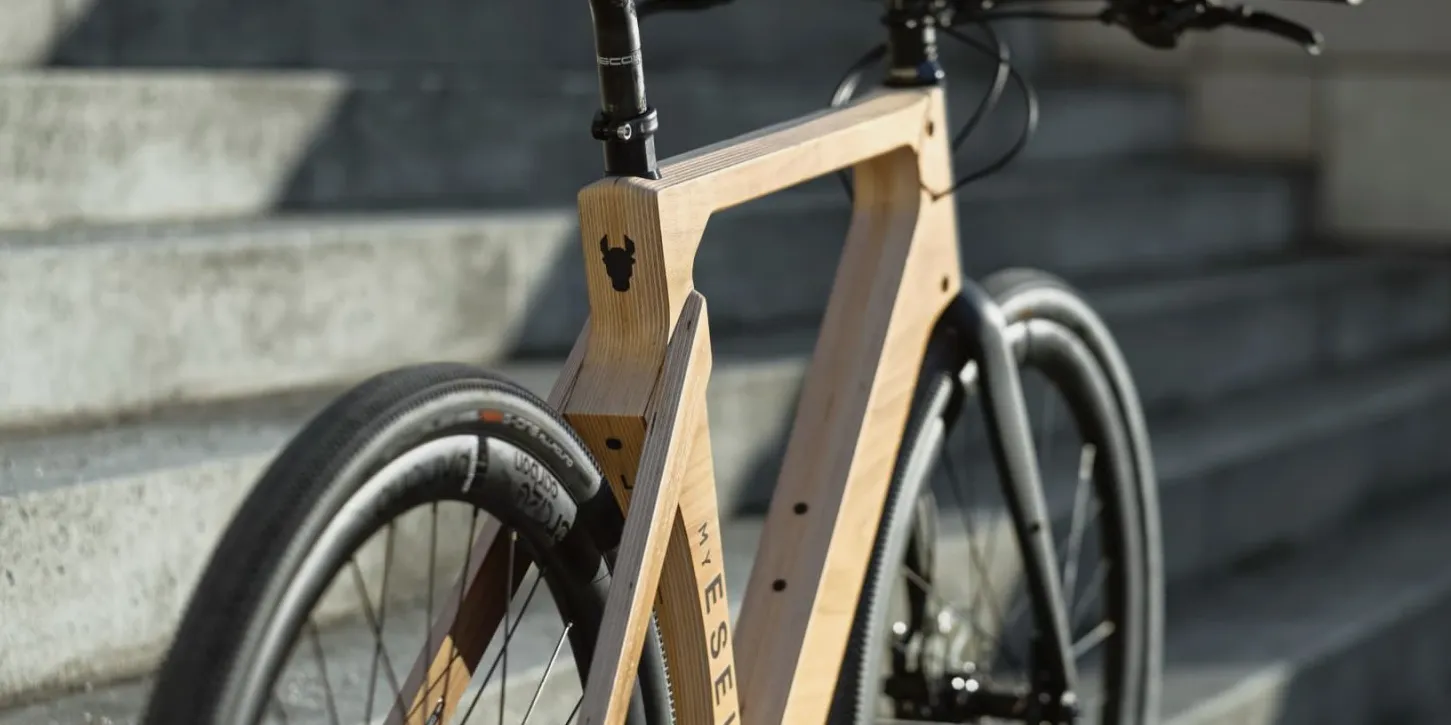
A wooden urban e-bike may be attractive and practical for commuting. A large battery energy storage system consortium signals where the grid and commercial backup market are heading. But if your near-term concern is coastal weather, marine exposure, evacuation friction, or temporary outages, you need to buy around failure points: communication, portable power, lighting, weather awareness, and transport continuity.
Preparedness buying guide: what each option is actually good for
Below is the comparison most people skip. They compare products by looks, battery size, or trend value. You should compare by risk solved.
| Gear or Trend | Primary Use Case | Best For | Main Limitation | Preparedness Value | Buy Priority |
|---|---|---|---|---|---|
| Portable power station | Backup electricity for lights, phones, radios, medical devices, small appliances | Blackouts, sheltering in place, vehicle-based evacuation | Finite capacity; must be recharged by wall, car, or solar | Very high | 1 |
| Portable solar panel | Recharging battery stations off-grid | Multi-day outages, camping, evacuation staging | Weather and sun dependent; output often lower than label rating | High | 2 |
| Marine weather radio + alerts | Hazard awareness when conditions shift quickly | Boaters, coastal residents, travelers | Useless if you ignore it or fail to keep batteries charged | Very high | 1 |
| Field communication tools | Short-range coordination when cellular service is weak or overloaded | Families, crews, convoy travel, off-grid sites | Range varies by terrain and weather | High | 2 |
| Urban e-bike | Efficient local transportation | Commuters, short-distance city mobility | Not ideal for flooding, high surf zones, heavy cargo, or severe weather evacuation | Moderate in normal times; situational in emergencies | 4 |
| Grid-scale BESS trend | Utility and commercial energy storage deployment | Long-term grid resilience, peak management | Not a direct consumer solution you can deploy tomorrow | High strategically, low immediate household utility | 3 |
| Basic coastal go-bag | Rapid movement during flood, surf, or marine hazard changes | Coastal households, boaters, island travel | Only works if packed before the warning escalates | Very high | 1 |
What the weather alerts tell you about buying decisions
The marine advisory and the high surf alert both point to the same preparedness truth: many dangerous days are not cinematic disasters. They are transition days. Wind changes direction. Gusts increase. Waves build to 3 to 4 feet in one area, while another region deals with 7 to 9 feet and even 13 to 16 feet of breaking surf on exposed reefs. Roads can see minor inundation. Docks and jetties become trap zones. Small craft conditions go from inconvenient to hazardous in a matter of hours.
That matters because your gear should be selected for those messy middle scenarios, not just worst-case fantasies. You are more likely to need charged flashlights, a radio, dry storage, backup phone power, and clear family comms than a giant bunker system.
Best buys for a short-duration coastal warning
- Weather-capable radio: Because phone alerts are great until coverage drops or battery life disappears.
- 500Wh to 1,000Wh portable power station: Enough for phones, lights, radios, laptops, and some low-watt appliances for a meaningful stretch.
- 100W to 200W foldable solar panel: Not magic, but enough to extend runtime during a prolonged outage.
- Dry bag or hard waterproof case: Critical around surf, spray, docks, and flood-prone roads.
- USB headlamps and area lights: Better than relying on your phone flashlight.
- Two-way comms: Especially useful when family members are moving between home, marina, vehicle, and shelter.
If you are still building out your core emergency preparedness gear, start with communications and power before niche lifestyle gadgets. That order is rarely exciting, but it is almost always correct.
Comparing portable power options the way a prepper should
Battery storage is getting serious investment for a reason. It solves a real problem: matching available energy to unstable demand and interrupted supply. At grid scale, that means balancing markets and strengthening infrastructure. At household scale, it means your lights and critical devices stay alive when the line goes down.
But not all backup power buys are equal.
Small power bank vs portable power station
| Option | Typical Capacity | Can Run | Best Use | Weak Spot |
|---|---|---|---|---|
| USB power bank | 10,000 to 30,000 mAh | Phones, small USB devices | Everyday carry, travel, short outages | No AC output, limited versatility |
| Entry portable power station | 250Wh to 500Wh | Lights, laptops, routers, CPAP in some cases | Apartment kits, car kits | Can be drained quickly by heaters or cooking gear |
| Mid-size portable power station | 500Wh to 1,500Wh | Fridge support in cycles, communications, fans, work gear | 72-hour readiness, storm outages | Heavier, more expensive |
| Large home backup battery | 2kWh and up | Broader household circuits | Home resilience planning | Higher cost and setup complexity |
Expert tip: Ignore advertised battery size until you estimate actual loads. A 60W device running for 8 hours needs roughly 480Wh before inverter losses. Add conversion loss and reserve margin, and your practical target is closer to 600Wh. That is why tiny stations feel disappointing during real outages.
Where an e-bike fits — and where it absolutely does not
Stylish e-bikes are having a moment, and for good reason. They reduce fuel dependence, move quickly through urban areas, and can be useful when traffic snarls after a storm. For local preparedness, that is not nothing.
But be honest about the use case. An urban commuter e-bike is not your answer for breaking surf, flooded access roads, 25-knot gusts near exposed water, or hauling a family evacuation load. It is a mobility supplement, not a resilience backbone. Ask yourself: if conditions are bad enough to push a marine advisory or coastal flood concern, is this really the tool you want to bet on?
Good e-bike preparedness uses
- Checking on nearby family during fuel shortages
- Short urban resupply runs when roads are jammed
- Commuting while preserving vehicle fuel stores
Poor e-bike preparedness uses
- Crossing flood-prone roads
- Transporting large water, fuel, or power loads without proper cargo setup
- Operating during severe wind, surf exposure, or debris-heavy conditions
If you own one, treat it like a secondary transport layer. Keep the battery maintained, store a charger in a waterproof pouch, and do not let it replace your core storm plan.
The communication gear most people underrate
During coastal hazards, communications fail in boring ways. Batteries die. Signal gets overloaded. Family members split up for errands and cannot reconnect quickly. That is where simple, rugged tools outperform flashy tech.
A compact set of Field Communication tools can bridge those short-range gaps when normal coordination breaks down. For households near water, marinas, campgrounds, or evacuation routes, that matters more than many buyers realize.
Preparedness is not just having power. It is having a way to share information when plans change faster than the forecast.
Minimum communication standard for a 72-hour kit
- NOAA-capable or local weather alert radio
- Fully charged phones plus backup battery banks
- Vehicle charging cables and adapters
- Short-range communication option for family coordination
- Printed contact list and meeting points
Buying priorities by scenario
Not every reader has the same risk profile. Here is the short version.
If you live near the coast
- Prioritize weather alerts, dry storage, power station, lighting, and road-ready go-bags
- Watch surf and flood impacts, not just wind headlines
- Avoid assuming minor inundation means minor disruption
If you boat or fish in exposed water
- Small-craft advisories should trigger gear checks, not optimism
- Keep communications redundant and waterproofed
- Do not confuse routine familiarity with safe conditions
If you are building a home backup setup
- Start with a power audit of critical loads
- Buy enough battery to cover communications, lighting, refrigeration support, and medical essentials
- Add solar only after you understand charging time and realistic daily production
If you are tempted by trend products first
- Buy utility before aesthetics
- Choose gear that solves likely failures over aspirational scenarios
- Use mobility gadgets as complements, not substitutes
The bottom-line comparison most buyers need
Weather warnings are immediate. Storage investment is strategic. Urban e-bikes are interesting. Your purchases should reflect that hierarchy.
If you have limited budget, the best preparedness value is still boring, dependable gear: a weather radio, real lighting, battery backup, solar recharging capability, waterproof storage, and communication tools that do not depend on perfect cell service. Those buys directly answer the kind of conditions described by hazardous small-craft advisories and high surf events with flooding and dangerous breaking waves.
The actionable takeaway is simple: buy for the first 72 hours of inconvenience and danger, not the fantasy of a perfect all-in-one solution. Build your kit around what fails first, and your money will go much further.