Category: Popular Science

  • Weather Alerts Are Getting More Complex—Your Backup Power Should Too

    Weather Alerts Are Getting More Complex—Your Backup Power Should Too

    You can ignore a product teaser. You cannot ignore a chain of weather alerts that hits the coast, the Great Lakes, and inland waters all at once. One marine zone is dealing with northeast winds building to 30 knots with blowing snow and visibility down to 1 nautical mile or less. Another is under a gale warning with seas running 8 to 12 feet. Farther south, a severe thunderstorm watch stretches across Lake Michigan-adjacent waters. The useful prep lesson here is not just “bad weather happens.” It is that different hazards now create the same household problem: unstable power, bad charging windows, and harder evacuation or shelter-in-place decisions.

    Weather Alerts Are Getting More Complex—Your Backup Power Should Too

    This is the real trend hiding inside these headlines. Weather risk is fragmenting by region, but your power plan still has to work as one system. At the same time, digital sensor networks are becoming central to water-quality and environmental monitoring, while EV platforms keep expanding into more real-world use cases. That combination matters for preparedness because it points to a near future where data is better, alerts are faster, and your margin for being underpowered is smaller.

    The quick read: what changed this week

    • Arctic coastal waters: Brisk wind advisory conditions include NE winds from 20 to 30 kt, repeated periods of blowing snow, and visibility reduced to 1 NM or less during the worst stretches.
    • Bering Sea offshore waters: A gale setup brings S winds 20 to 35 kt, 8 to 12 ft seas, mixed rain and snow, followed later by another jump to E wind 20 to 35 kt with 10 to 14 ft seas.
    • Lake Michigan coastal waters: A severe thunderstorm watch covers nearshore and offshore zones from Sturgeon Bay to Sheboygan, which is a reminder that coastal and marine communities are not just hurricane stories.
    • Lake Erie: A digital sensor network is being positioned as part of a cleanup strategy, signaling a wider move toward continuous environmental monitoring instead of occasional manual checks.
    • EV market signal: Hyundai’s new Venus IONIQ EV being spotted in public underscores that vehicle electrification is still accelerating, which matters if you track mobile power, bidirectional charging, and emergency energy resilience.

    If that feels like an odd mix of stories, ask yourself a simple question: what do they all have in common for a prepared household? They all point to a grid and mobility future where situational awareness and stored energy matter more than ever.

    The dominant trend is not one storm—it is layered disruption

    The easiest mistake is treating each warning as a local event with local consequences. That misses the bigger pattern. These alerts show multiple hazard types unfolding at the same time:

    • Cold-weather marine wind and blowing snow in Alaska
    • Gale-driven wave risk and marine transport disruption in the Bering Sea
    • Convective thunderstorm risk along Great Lakes waters
    • Environmental monitoring upgrades in a heavily stressed freshwater basin

    For emergency preparedness, that means your power and communications plan cannot be built around a single script like “charge devices before the storm.” A 72-hour plan that works for one region may fail in another if it ignores temperature, charging access, travel restrictions, and water issues.

    Why this matters for backup power right now

    • Wind events reduce mobility: Even if your house keeps power, roads, ferry schedules, and marine access can become unreliable.
    • Cold plus wind increases battery stress: Lithium batteries charge slower and discharge less efficiently in low temperatures, especially when stored in unheated spaces.
    • Storm watches compress decision time: Thunderstorm watches often leave you less time to top off batteries, secure panels, and pre-cool or pre-heat living space.
    • Water-system monitoring is becoming digital: More sensors and more telemetry can mean better warnings, but only if your household can receive them during outages.

    That last point gets overlooked. Better public data does not help much if your router is down, your phone battery is at 12%, and your weather radio is buried in a drawer with dead alkaline cells.

    What the Alaska warnings reveal about gear selection

    The Alaska marine forecasts are not casual breezes. 30-knot northeast winds paired with blowing snow and reduced visibility create a brutal reminder that wind is rarely a standalone problem. It amplifies cold exposure, complicates travel, and makes outdoor setup work slower and less safe.

    • Portable solar becomes unreliable during the event: Snow, cloud cover, short daylight, and the need to keep panels stowed in high winds all reduce harvest.
    • Battery-first planning becomes essential: You want stored watt-hours before the front arrives, not a plan to generate through it.
    • Cable management matters more than people think: In blowing snow and freezing conditions, stiff cables and poor connectors become failure points fast.
    • Heating loads must be triaged: Resistive space heaters are usually unrealistic on most portable stations. Focus on powering blowers, ignition systems, communications, lighting, and medical devices first.

    Expert tip: For cold-region outages, measure your critical loads in watt-hours, not just watts. A CPAP at 40 watts for 8 hours is 320 Wh. A modem and router at 20 watts for 12 hours is 240 Wh. LED lighting at 15 watts for 6 hours is 90 Wh. Add conversion losses and you quickly see why a “small backup battery” often disappoints. Realistic overnight resilience usually starts around 500 to 1000 Wh for very light loads, and more if communications, refrigeration, or medical needs are involved.

    The Bering Sea gale warning points to a harder truth: solar is not always the answer

    Preparedness sites love portable solar because it is clean, quiet, and genuinely useful. But a gale forecast with 20 to 35 kt winds and 8 to 12 ft seas is a blunt reminder that generation methods have weather limits. During the wrong event, your best asset is not a panel. It is pre-charged storage, fuel discipline, and load control.

    When gale conditions are in play, prioritize this order

    • First: Fully charge batteries, power stations, radios, phones, and tool batteries before conditions deteriorate.
    • Second: Move foldable panels and lightweight stands indoors. High winds can destroy them or turn them into debris hazards.
    • Third: Shift refrigeration strategy. Keep doors shut, freeze water bottles ahead of time, and know your food safety window.
    • Fourth: Preserve vehicle fuel and charge. Your car may become your warming station, communications backup, or evacuation tool.

    That is also why hybrid setups remain the smartest path for many households: a battery power station for silent indoor use, a safe outdoor charging option when the weather clears, and a fuel-based backup if your risk profile justifies it.

    💡 Recommended gear check: If you are building a practical 72-hour setup instead of chasing gadgets, start with dependable emergency preparedness gear that covers lighting, charging, communications, and shelter support before you spend on nice-to-have accessories.

    Lake Michigan’s thunderstorm watch is a reminder that inland coasts have marine-style risk

    People often underestimate the Great Lakes because they are not ocean coastlines. That is a mistake. A severe thunderstorm watch affecting waters from Sturgeon Bay to Sheboygan, including offshore zones, highlights how fast conditions can deteriorate around inland coastal communities.

    • Short warning lead times can catch people mid-commute or on the water.
    • Grid interruptions are more likely when strong storms combine lightning, wind, and localized infrastructure damage.
    • Cell networks can congest during watch-to-warning transitions.
    • Boat owners and shoreline residents face dual responsibilities: home readiness and marine asset protection.

    The practical takeaway is simple: your backup power plan should assume at least one communications failure. Keep redundant charging for phones, a weather radio with fresh batteries, and at least one lighting option that does not depend on your main battery bank.

    The Lake Erie sensor story matters more to preparedness than it first appears

    A digital sensor network aimed at restoring and monitoring Lake Erie sounds like environmental policy news. It is. But it is also preparedness news. Why? Because modern resilience increasingly depends on early detection.

    • Water-quality problems can become public-health problems.
    • Distributed sensors can spot changes faster than periodic human sampling.
    • Better monitoring supports faster advisories, smarter local response, and more targeted infrastructure decisions.
    • Digitized public systems raise the importance of household-level backup communications and power.

    This is the hidden shift: preparedness is no longer just about enduring impact. It is also about staying connected to a more data-rich warning ecosystem. If local agencies get better at detecting problems but your household loses the ability to receive and act on alerts, your resilience gap remains.

    Where the new EV sighting fits into a preparedness strategy

    The public appearance of Hyundai’s new Venus IONIQ EV is not an emergency story by itself. But it does reinforce a trend survival-minded readers should watch closely: the vehicle is becoming part of the home energy conversation.

    Why EV developments matter to preppers and off-grid users

    • Larger onboard batteries can eventually support more meaningful emergency backup roles.
    • Vehicle-to-load and vehicle-to-home features are turning some EVs into mobile energy assets, not just transportation.
    • Charging dependence means households need better outage planning, especially in storm-prone regions.
    • Public charging reliability becomes a preparedness issue during regional disruptions or evacuations.

    Do not over-romanticize this. An EV is not a magic blackout solution unless the hardware, inverter capability, outlet support, and planning all line up. But the direction of travel is obvious. Prepared households should now think in terms of integrated energy layers: power station, solar, vehicle, and fuel backup if needed.

    Your fast-action checklist for the next multi-alert week

    • Charge early, not late. When a watch or advisory is issued, top off all batteries immediately. Do not wait for the “real storm” to begin.
    • Store lithium batteries above freezing when possible. Cold-soaked packs underperform exactly when you need them most.
    • Secure portable solar before wind arrives. If gusts are rising, harvested watts are not worth panel damage.
    • Know your critical-load number. Add up your 24-hour watt-hour needs for communications, lighting, medical devices, refrigeration, and heat-support equipment.
    • Build for 72 hours first. That is the most realistic baseline for many households and the easiest way to expose weak spots.
    • Protect your alert pipeline. Keep at least two ways to receive warnings: phone plus weather radio, or phone plus battery-backed internet.
    • Use your vehicle strategically. Maintain at least a half tank in combustion vehicles or a practical state of charge in EVs when weather risk is elevated.

    The bigger story this week is not one warning, one lake, or one vehicle sighting. It is that preparedness now sits at the intersection of harsher local weather, smarter monitoring, and more electrified daily life. If your backup plan still assumes clear skies for recharging, unlimited mobility, and perfect communications, it is already behind the curve.

    Fix that before the next alert stack arrives. The households that do best are not the ones with the most gear. They are the ones that understand which systems fail first—and have already decided what gets powered when everything else gets messy.
  • The Real Emergency Prep Lesson Hidden in 3 Unrelated Headlines

    You can learn a lot about preparedness from stories that don’t look like preparedness stories at all. A flashy vehicle software update, a messy wave of western media coverage around an electric motorcycle launch, and a Small Craft Advisory for Alaska seem unrelated on the surface. But put them together and a hard truth appears: modern resilience now depends as much on information quality and software behavior as it does on batteries, fuel, or dry food. If your plan assumes the tech will be clear, current, and self-explanatory when conditions get ugly, your plan is weaker than you think.

    The pattern behind the noise

    Start with the obvious weather signal. A marine forecast calling for southwest winds around 20 to 25 knots and seas building from roughly 6 feet toward 13 to 15 feet by the end of the period is not just a line of forecasts for boaters. It is a reminder that risk compounds. Wind stacks up against current. Sea state worsens loading, docking, and rescue. Travel windows close faster than people expect. Preparedness people understand this instinctively: small changes in conditions can produce non-linear consequences.

    Now shift to the vehicle side. Tesla’s Spring Update 2026 is built around convenience and capability: a redesigned Self-Driving subscription app, voice interaction through “Hey Grok,” and auto-install for software updates. Those features are interesting for consumers, but the preparedness angle is more serious. Software increasingly controls navigation, charging behavior, user alerts, cabin settings, and the pace of feature deployment in the machines people may count on during evacuation, sheltering in place, or long-distance rerouting. A new feature can help. It can also introduce friction if installed at the wrong time, misunderstood by the user, or dependent on connectivity you no longer have.

    Preparedness rule: if a device needs an update, a subscription, a cloud login, or voice recognition to deliver its best features, assume at least one of those layers may fail when you need it most.

    That is where the Royal Enfield story matters more than it first appears. The point is not just the motorcycle. It is that western coverage can distort product reality through bad assumptions, rushed framing, or incomplete context. Preparedness buyers should care because this happens constantly in portable power, solar generators, radios, inverters, and EV backup discussions. The market rewards novelty. The media rewards speed. You, meanwhile, need gear and transport options that still make sense when the weather turns, the road detours, and there is nobody around to explain the feature set. If the story around a product is confused, the ownership experience may be too.

    Why software now belongs in your emergency planning

    Ten years ago, a backup power conversation was mostly about wattage, fuel storage, extension cords, and runtime. Those still matter. But the control layer now matters almost as much. Can your power station accept a charge from solar without an app? Does your inverter expose faults clearly on-device, or only inside a phone interface? Will your vehicle still route sanely if cell service drops? Does an over-the-air update auto-install during a period when you cannot afford downtime? Those are not edge-case questions anymore. They are basic resilience questions.

    A lot of people miss the distinction between available power and usable power. A 1,000Wh battery is useless if you cannot wake the unit, authenticate into the app, or interpret an error state during an outage. The same logic applies to transportation. An electric vehicle or e-bike can be excellent emergency gear if the charging plan is realistic and the controls are intuitive. It becomes risky if the owner relies on premium software layers they have never tested under stress. Have you actually practiced using your gear in low signal, cold weather, rain, or darkness? Most people have not.

    Expert-level tip: Before storm season, put every critical device into a one-hour “offline drill.” Disable Wi-Fi and cellular, use only local controls, and verify you can still charge, power essential loads, change settings, and read battery state.

    This is where practical standards help. For a 72-hour home outage, many households need at minimum enough stored energy to cover communications, lighting, medical devices, refrigeration strategy, and phone charging. For many setups, that means roughly 500Wh to 2,000Wh depending on medical needs and whether you are running a fridge intermittently. But capacity without procedural simplicity is false comfort. If your spouse, teen, or neighbor cannot operate the system in under two minutes without instructions, it is not resilient yet.

    Bad information is a preparedness hazard

    The Royal Enfield coverage issue reveals a bigger weakness in emergency buying habits: too many people purchase based on headline impressions instead of operational fit. Search results are flooded with launch takes, influencer hot takes, affiliate roundups, and partially informed comparisons. That environment creates a dangerous illusion that you understand a tool because you have consumed content about it. You do not. You understand it only after checking the limits: charging speed, weather tolerance, repairability, software lock-in, payload, range under load, and whether it still functions with degraded infrastructure.

    Preparedness readers should treat any hyped product category this way, whether it is an electric motorcycle, a new vehicle feature, or a portable solar bundle. Ask a blunt question: what happens when one layer fails? If the answer is “I need a better signal,” “I need a paid feature,” or “I need the brand’s ecosystem to behave perfectly,” keep digging. Redundancy beats elegance every time. A paper map still matters. A 12V charging option still matters. Physical buttons still matter. So do old-fashioned supplies like water storage, backup lighting, and a clearly packed medical bag with the right first aid kit items ready to grab when you leave fast.

    That same skepticism should guide transportation decisions for off-grid or bug-out use. An electric two-wheeler may be brilliant for short-range, low-cost movement and quiet operation. It may also be a terrible sole evacuation platform if your route includes cold temperatures, cargo, steep grades, or scarce charging access. Likewise, a software-rich EV can be one of the best emergency tools you own thanks to large onboard batteries, climate control, and potentially quiet shelter capability. But only if you know the charging map, the actual consumption rate in bad weather, and the exact behavior of your car’s update and power-management systems.

    What the Small Craft Advisory teaches about gear choices

    Marine advisories are useful because they strip away fantasy. A forecast of 25-knot wind and 15-foot seas does not care about branding, aesthetics, or launch excitement. It forces a yes-or-no decision: can the vessel, operator, and plan handle the conditions? That is the same mindset you should apply to backup power and emergency transport. Can your setup handle three nights without grid power? Can it handle one failed charger? Can it handle your actual climate instead of the sunny test conditions shown in marketing material?

    For off-grid power, that means designing around the loads that matter first. Communications and light are tiny loads. Refrigeration, heating elements, and cooking are not. A realistic resilience stack often starts with:

    • Tier 1: phone charging, headlamps, weather radio, USB battery bank
    • Tier 2: portable power station in the 500Wh to 1,500Wh range for lights, modem, CPAP, fans, and intermittent cooler or fridge support
    • Tier 3: solar input, vehicle charging cable, and a fuel or battery backup plan that does not depend on one source

    The smartest buyers now test for interface resilience as well as electrical specs. Can the unit accept a dumb solar panel input with no app handshake? Is there a direct DC output for radios and routers? Are fault codes visible on the device? Does the firmware improve the unit, or just add novelty? Those questions sound less exciting than “new feature” coverage, but they are the difference between gear that reassures you and gear that rescues you.

    Build a plan that survives updates, hype, and weather

    The common thread in these three headlines is not technology. It is trust. Can you trust the forecasts enough to act early? Can you trust the reporting enough to understand what a product really is? Can you trust your own equipment when software, connectivity, or conditions become hostile? If you want a practical takeaway, make this week your verification week. Update critical devices on your schedule, not theirs. Run one offline drill. Print the charging adapters, wattage needs, and startup steps for each essential device. Keep one transport option and one power option that are simple, local, and not subscription-dependent.

    That may sound almost boring compared with “Hey Grok” or a much-hyped electric launch, but boring is exactly what works in a real emergency. Reliability is not the newest feature. It is the feature set that keeps functioning when the forecasts worsen, the coverage gets sloppy, and your household needs answers right now.

  • Solar Resilience Is Expanding From Rooftops to Emergency Kits

    Solar Resilience Is Expanding From Rooftops to Emergency Kits

    Your lights can fail for reasons that have nothing to do with your house. A wildfire burns for a week in another country. A factory adds nearly a megawatt of rooftop solar to cut grid dependence. Astronauts circle the moon and return safely after pushing human systems farther from Earth than ever before. Strange mix of stories? Not really. They point to the same trend: resilience now means energy systems that keep working when distance, disruption, heat, and uncertainty stack up.

    Solar Resilience Is Expanding From Rooftops to Emergency Kits

    For readers in the emergency preparedness and off-grid power space, that matters right now. The big shift is not just more solar. It is solar paired with survival-minded thinking: redundancy, safer storage, lower fuel dependence, and power where the grid cannot guarantee it.

    The quick read: what these three stories are really signaling

    • Spaceflight proves the premium on reliable power systems. Artemis II’s safe return underscores a basic truth: when humans operate far from easy rescue, dependable energy and layered backup systems are non-negotiable.
    • Commercial rooftops are becoming resilience assets, not just sustainability projects. Kingspan’s new 881-kW rooftop solar array in Illinois adds to a broader push toward direct renewable use and on-site generation.
    • Forest fire alerts keep reinforcing the same household lesson. Fire events, like the reported Laos forest fire window from April 3 to April 10, remind you that smoke, evacuation risk, grid strain, and communication failures often arrive together.

    The preparedness takeaway is immediate: the market is moving toward distributed power, and households that wait for the next outage to figure out lighting, charging, and refrigeration are already behind.

    Why Artemis matters to off-grid power people more than it first appears

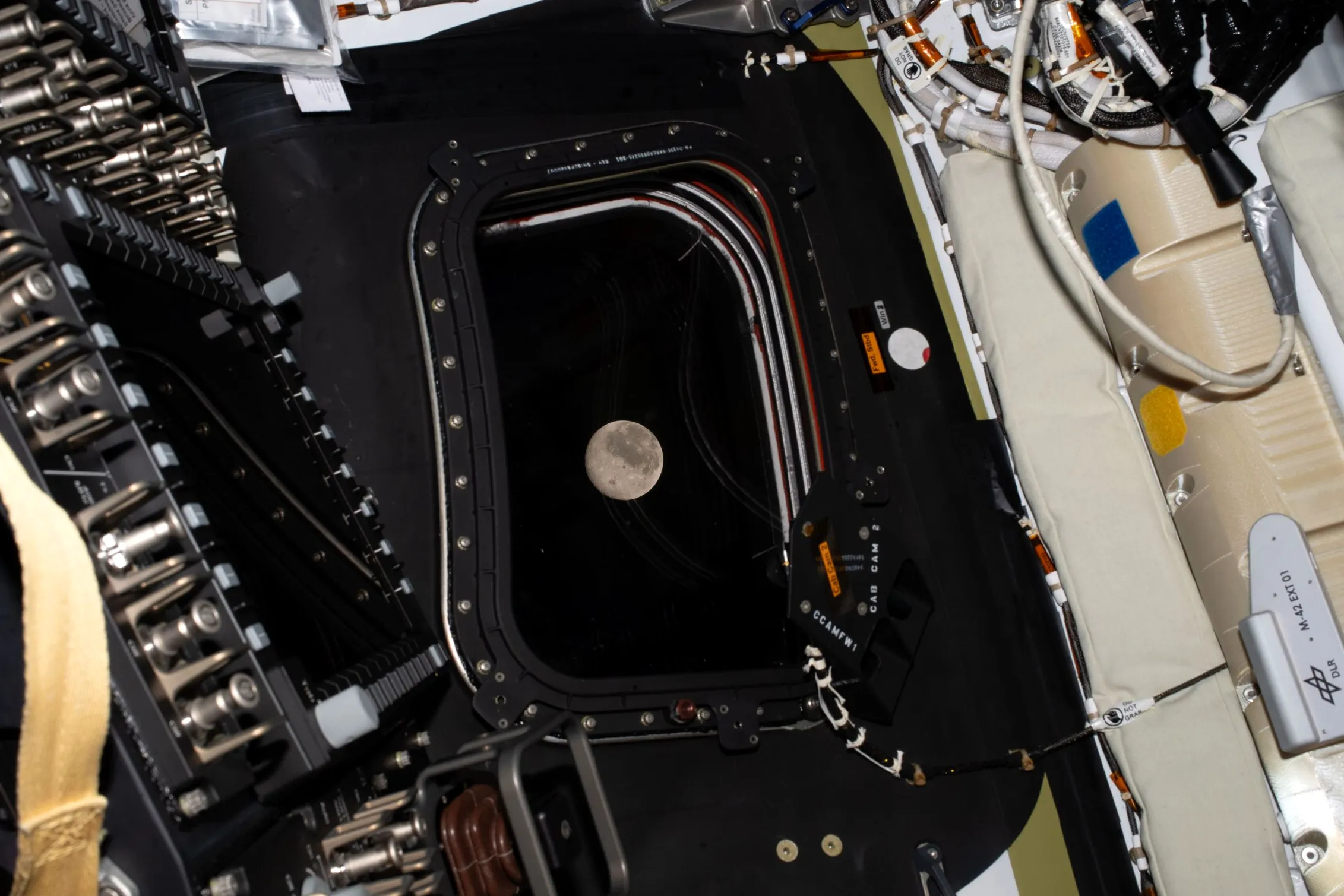
    A moon mission sounds far removed from your garage power station or bug-out tote. But the survival principle is identical. When astronauts travel farther from Earth than any humans before them and still return safely, the win is not just courage or navigation. It is system design.

    • Power must be predictable. Energy budgeting is planned in advance, not guessed at.
    • Redundancy is deliberate. Critical functions do not rely on a single point of failure.
    • Weight and efficiency both matter. Every watt has a cost, whether that cost is launch mass or the size of the battery you can actually carry.
    • Safety margins are real. You do not size for perfect conditions; you size for degraded ones.

    That same mindset should shape your home backup plan. Too many people buy a battery because the app looks slick or the AC output number looks big. Then a smoke event, storm outage, or evacuation order hits and they discover the unit cannot keep comms, lighting, medical devices, and food protection running long enough.

    Expert tip: if your backup plan depends on sunlight arriving exactly when needed, it is not a complete backup plan. You need enough stored energy to bridge overnight use, poor weather, or smoke-reduced solar charging.

    That is why the most useful consumer setups usually start with three layers:

    • Layer 1: fast-access lighting and communications backup
    • Layer 2: a portable power station sized for your actual loads
    • Layer 3: solar input to extend runtime, not magically replace storage

    If your current kit is still flashlight-heavy and power-light, review your emergency preparedness gear with the same logic engineers use in hostile environments: identify the critical load, plan the runtime, and build in margin.

    The rooftop solar story is bigger than one factory

    The Illinois project is not tiny. An 881-kW rooftop solar array spread over about 50,000 square feet is a substantial industrial energy asset, and it marks the company’s third solar project in North America. The headline number is useful, but the deeper signal is more important: companies that manufacture building materials are increasingly treating on-site generation as a core operational tool.

    What that means for preparedness-minded readers

    • Energy independence is being normalized. Businesses are investing in on-site generation because grid costs, reliability concerns, and sustainability targets now overlap.
    • Buildings are becoming power platforms. A roof is no longer just weather protection. It is infrastructure.
    • Resilience is shifting from niche to standard practice. Once industrial operators accept distributed generation, homeowners and small property owners tend to follow the same path.

    There is also a useful preparedness angle hidden inside the insulation connection. Better insulation and solar do not compete. They multiply each other. If you reduce heat gain and heat loss, your backup system carries a lighter load. That is huge during outages.

    • A better-insulated room stays habitable longer when HVAC is offline.
    • A refrigerator or freezer in a cooler envelope cycles less, which reduces energy draw.
    • Portable solar systems perform better when demand is reduced, not merely when generation is increased.

    People often ask the wrong question: “How big a battery do I need?” A smarter question is: “How much can I shrink my emergency load before I buy more battery?”

    That is where insulation, weather sealing, blackout curtains, reflective window coverings, and efficient DC devices suddenly become preparedness tools rather than home-improvement trivia.

    Forest fire alerts keep exposing the same weak point: power fragility

    A forest fire notice may seem geographically distant if it happens in Laos rather than your state. But wildfire behavior and its consequences are global enough that the lessons transfer. Fire does not just threaten flames at your doorstep. It can also trigger:

    • Grid instability from damaged lines or preventive shutoffs
    • Low solar harvest due to smoke and haze reducing panel output
    • Evacuation pressure that forces you to move with limited charging options
    • Air quality emergencies requiring fans, purifiers, and sealed rooms
    • Communication gaps as towers, routers, and local power fail in sequence

    This is the trap many households miss. They buy portable solar expecting sunny-day charging, but wildfire smoke can slash performance right when they need it most. Even thin haze can meaningfully reduce solar production; dense smoke can hammer it. So your backup system for fire season should not be built around panel optimism.

    Your fire-season power stack should look like this

    • Primary stored power: enough battery capacity for 24 to 72 hours of essentials
    • Secondary charging: solar panels for extension when conditions allow
    • Tertiary charging: vehicle charging, alternator charging, or generator fallback if safe and legal
    • Ultra-low-draw devices: USB fans, rechargeable lanterns, power banks, and radios

    For many households, the 72-hour benchmark remains the practical minimum. If you rely on refrigerated medication, CPAP, infant feeding gear, or smoke filtration, your threshold may be higher.

    A smart place to audit is your stock of disaster preparedness supplies. If most of it handles food and first aid but not energy continuity, your kit is incomplete for modern outages.

    The real trend: resilience is moving from central systems to distributed systems

    Put the three stories together and a clear pattern shows up.

    • Artemis: mission success depends on integrated, fail-safe systems.
    • Rooftop solar expansion: buildings are becoming generators, not passive loads.
    • Forest fire warnings: climate-linked disruption keeps stressing centralized infrastructure.

    That adds up to a bigger preparedness reality: you should expect more households, worksites, and remote users to build layered power systems that are smaller, cleaner, and more modular than the old generator-only model.

    That does not mean generators disappear. It means they are no longer the only serious option. For many use cases, especially apartments, suburban homes, cabins, and evacuation scenarios, a quiet battery-plus-solar setup solves more day-to-day problems:

    • No fuel storage rotation
    • No indoor carbon monoxide risk from misuse
    • Low-noise nighttime operation
    • Easy device charging and medical-device support
    • Useful even outside disasters for camping, repairs, remote work, and vehicle travel

    Still, you need to be honest about limitations. Running a whole house through prolonged bad weather is different from powering lights, phones, radios, and a fridge. Overselling tiny solar kits is one of the worst habits in the backup market.

    What to upgrade first if you want real resilience, not gadget clutter

    If you want the practical version of this trend report, focus on the boring essentials first. They save lives faster than premium extras.

    Priority upgrades that actually move the needle

    • Lighting: multiple rechargeable lanterns, headlamps, and room lights with long runtime
    • Communications: power banks, radio charging options, and device cables stored in one pouch
    • Battery capacity: a power station matched to your critical loads, not your wish list
    • Load reduction: insulation improvements, shade management, efficient appliances, and cooler discipline
    • Mobility: one grab-and-go charging kit for evacuation

    The lighting piece is often underestimated. During smoke events, night outages, and fast evacuations, poor lighting multiplies every other problem. Searching for medicine, reading alerts, moving through a dark stairwell, checking breakers, and avoiding trip hazards all depend on it. Good Emergency Lighting is not a convenience item. It is a risk-reduction tool.

    A buyer’s reality check: size your power around critical loads

    If you are shopping because these trends have you rethinking your setup, avoid spec-sheet theater. Start with the loads that matter most.

    • Phones: roughly 10 to 20 Wh per full charge depending on model and losses
    • Rechargeable lanterns: often modest draw, but runtime varies wildly
    • CPAP: can range significantly depending on humidifier and voltage conversion
    • Mini fridge or efficient refrigerator support: highly variable because startup surges and cycling behavior matter
    • Fans and small purifiers: critical in smoke and heat, and often more manageable than air conditioning

    Write down your must-run items. Estimate watt-hours for one day, then multiply by at least two or three for a realistic emergency reserve. After that, ask whether your solar input can replace even half that during poor conditions. If the answer is no, you either need more storage, lower loads, or another charging path.

    The preparedness rule: buy for your worst likely week, not your best sunny weekend.

    Where this trend is headed next

    Expect more overlap between mainstream solar news and preparedness buying decisions. That is the direction of travel. As more factories, warehouses, and commercial roofs add generation, and as more climate-driven disruption hits transmission and local service, households will increasingly think like mission planners: secure essential functions first, then extend endurance.

    The people who adapt fastest will not necessarily own the biggest systems. They will own the best-matched systems:

    • Storage sized to real needs
    • Solar used as endurance support
    • Insulation and efficiency treated as part of backup planning
    • Portable gear ready for shelter-in-place or evacuation

    That is the quiet lesson connecting astronauts, rooftops, and forest fire alerts. Resilience is no longer one product category. It is a design choice. Make that choice before your next outage, smoke event, or evacuation notice forces it on you.

  • Flood Kit vs Boat Kit: Emergency Gear for River and Coastal Alerts

    You do not need a headline-making disaster to get caught short. One river gauge rising into minor flood stage or one small craft advisory along the coast is enough to expose the same ugly truth: most people own emergency gear, but very few own the right emergency gear for the hazard actually in front of them.

    That matters now because two very different warning patterns are colliding with a third trend that preparedness-minded households should not ignore. Inland, the Wabash River near Montezuma has been running above flood stage, with lowland flooding affecting bottomlands and several hundred acres along the right bank once levels pass 14.0 feet. Along the Mid-Atlantic coast, offshore conditions from Great Egg Inlet to Cape May and down toward Cape Henlopen and Fenwick Island have been rough enough for a small craft advisory, with northwest winds around 10 to 15 knots and seas near 5 feet. At the same time, U.S. gasoline consumption is easing even as miles traveled stay high, largely because vehicle efficiency keeps improving. Translation: your evacuation and backup-power assumptions may need an update.

    If you live near flood-prone rivers, tidal marshes, coastal waters, or you trailer a boat for spring and summer use, the smartest move is not buying one giant “survival kit.” It is choosing between two mission-specific setups: a flood kit for sheltering, evacuation, and cleanup, or a boat kit for marine exposure, signaling, and abandon-ship realities. Some gear overlaps. A lot does not.

    Flood kit vs boat kit: the comparison that actually matters

    The hazard profile is completely different. Minor river flooding usually gives you some lead time, but it ruins access, contaminates water, cuts off roads, and can isolate homes or camps. A small craft advisory is faster and less forgiving. Five-foot seas do not sound cinematic, yet in a smaller vessel they can turn routine movement into a control problem very quickly.

    So which kit deserves your money first? Use the table below as your reality check.

    Category Flood Kit Boat Kit Why It Matters
    Primary threat Rising water, road closure, contaminated water, power loss Wind, waves, immersion, capsize, disorientation Gear selection should match the failure mode, not your fear
    Typical warning lead time Hours to days in many river events Often same day, with fast-changing coastal conditions Flood prep favors staged readiness; boat prep favors immediate deployment
    Best power strategy Portable power station 500-1500Wh plus solar recharge if feasible Water-resistant USB battery bank, 12V backup, handheld electronics battery plan Floods strain home power; boats need compact, splash-tolerant redundancy
    Water priority Stored potable water plus filtration for extended outage Compact emergency water and anti-seasickness support Floodwater is usually unsafe; marine trips need lightweight reserves
    Navigation tools Paper road maps, local flood-route map, offline phone maps Chartplotter backup, handheld GPS, compass, paper chart Road closures and marine drift are different navigation problems
    Lighting Area lantern, headlamp, backup flashlight Headlamp, waterproof flashlight, signaling strobe Flood sheltering needs runtime; marine emergencies need visibility and signaling
    Communications Weather radio, charged phones, family contact plan VHF radio, whistle, signal mirror, emergency contact card Cell service may fail inland; offshore, radio discipline matters more
    Medical gear Expanded wound care, gloves, sanitation supplies, meds Bleeding control, hypothermia support, seasickness meds, trauma basics Flood cleanup injuries differ from marine blunt-force and exposure risks
    Protective clothing Rubber boots, work gloves, rain gear, N95 or P100 options for cleanup PFD, spray layer, thermal protection, non-slip footwear Do not wear flood-cleanup gear and assume it covers marine exposure
    Food strategy 72-hour shelf-stable food with no-cook options Compact high-calorie snacks and hydration support Flood outages can last longer; marine kits must stay light and accessible
    Critical documents Waterproof pouch with ID, insurance, prescriptions, cash Registration, ID, float plan details, emergency contacts Losing documents during either event complicates recovery fast
    Most overlooked item Cleanup PPE and sanitation supplies Redundant signaling tools People plan for the event, not the after-action problem

    When a flood kit should beat a boat kit on your shopping list

    If you live near rivers, creeks, levees, bottomlands, or low-lying roads, a flood kit usually has the better return on your money. The Wabash situation is a good example of why. Minor flooding may sound manageable, but at around 14 feet near Montezuma, bottomlands begin taking water. At 15.8 feet, you are not dealing with a theory. You are dealing with access issues, soaked structures, and a larger isolation footprint than many homeowners expect.

    That is why a real flood kit is less about drama and more about friction. Can you keep phones, radios, medical devices, and LED lighting running for 72 hours? Can you move important papers before water gets in? Can you leave quickly if a familiar route becomes impassable?

    Best flood-kit priorities for homes and cabins

    • Portable power station: 500Wh is enough for phone charging, lights, and small electronics. 1000-1500Wh is far more realistic if you need a CPAP, router, fans, or repeated device charging during multiday outages.
    • Solar panel pairing: A 100W to 200W portable panel helps extend runtime if the grid stays down. Flood events often bring cloud cover, so treat solar as recharge support, not guaranteed primary power.
    • Water storage: Minimum one gallon per person per day for three days, with more if local wells or municipal systems are vulnerable.
    • Sanitation and PPE: Heavy gloves, contractor bags, bleach alternatives suited to cleanup, and masks for mold-prone environments.
    • Medical readiness: A serious stock of first aid kit items matters more during flood cleanup than many people realize, because punctures, cuts, slips, and contaminated-water exposure spike after the crest, not before.

    Expert tip: if your home is flood-exposed, move your power station, battery banks, and charging cables above expected water level before the water arrives. Too many people protect canned food and forget the one device stack that keeps lighting and communication alive.

    When a boat kit is the better buy

    If you fish, crab, day-cruise, or run smaller recreational craft in coastal waters, your risk profile changes fast when advisories start stacking up. Winds of 10 to 15 knots and seas around 5 feet do not guarantee catastrophe, but they create enough instability that small errors become dangerous. Loose gear shifts. Passengers fatigue sooner. Spray and cold exposure degrade judgment. Docking gets harder. Returning through an inlet gets sporty in a hurry.

    Ask yourself one blunt question: if the engine sputters or someone goes overboard, is your current gear built for finding, signaling, and surviving, or just for convenience?

    Best boat-kit priorities for coastal and nearshore trips

    • Proper PFDs for every person: Not buried under seats. Not the wrong size. Immediately wearable.
    • Waterproof communication: A handheld VHF radio beats a phone once distance, spray, and weak coverage enter the picture.
    • Signal redundancy: Whistle, strobe, mirror, and compact distress tools all deserve a place in the kit. If you are tightening your signaling plan, purpose-built Field Communication gear can fill the gap between a casual day bag and a serious emergency setup.
    • Thermal protection: Even in mild air temperatures, water exposure can crush dexterity and decision-making.
    • Waterproof lighting: Headlamps are useful, but a sealed flashlight with strong throw and simple controls is better when deck conditions get chaotic.
    • Compact trauma kit: Include bleeding control, gloves, shears, and seasickness medication.

    The mistake many small-craft owners make is buying a “marine safety kit” that over-indexes on compliance and under-indexes on survivability. Flares and a whistle matter. So do anti-slip gloves, spare batteries, and a radio you have actually tested.

    Where fuel efficiency changes the preparedness math

    The gasoline trend may seem unrelated, but it is not. National gasoline consumption has been drifting lower even while people continue driving, largely because vehicle efficiency keeps improving. For preparedness, that creates a subtle split.

    On one hand, newer efficient vehicles stretch evacuation range on fewer gallons. That is genuinely useful if flood detours add mileage or stations are crowded. On the other hand, many people have used that efficiency to get lazy about fuel discipline. If your tank sits at one-quarter because “this car goes forever,” you have not improved your resilience. You have just outsourced it to the next open gas station.

    Preparedness comparison: fuel can strategy vs portable power strategy

    For most suburban and exurban households, the better answer in 2025 and beyond is not hoarding gasoline. It is balancing fuel with battery-based resilience.

    • Keep your vehicle above half a tank during active weather periods.
    • Use portable power for communications, lights, and small electronics so you are not idling a car for USB charging.
    • Reserve gasoline for mobility, not for tasks a battery station can do more safely and quietly.
    • Match charging gear to your use case: car charger, wall charger, and solar input should all be part of the same plan.

    This is especially important in flood scenarios. Running a vehicle for power near standing water, in enclosed spaces, or simply because your house kit is weak is a bad trade. Quiet stored electricity is safer, more controllable, and easier to use indoors when managed correctly.

    The smartest buying path for most readers

    If you are deciding where to spend first, use this order:

    1. Buy for the hazard you are statistically more likely to face. River-adjacent homes should start with a flood kit. Active boaters should start with a marine kit.
    2. Cover the universal layers next. Lighting, communications, medical basics, water, and document protection help in both situations.
    3. Add hazard-specific upgrades. Flood cleanup PPE, or marine signaling and thermal gear.
    4. Then improve power resilience. A portable power station plus a realistic charging plan is one of the highest-value upgrades you can make.

    Quick-buy checklist: choose the right kit today

    Choose a flood kit first if:

    • You live near a river, creek, floodplain, or low road crossing
    • Your basement, crawlspace, or outbuildings have flooded before
    • Your area sees repeated spring rain and river rises
    • You are more likely to shelter at home than head offshore

    Choose a boat kit first if:

    • You operate a small craft in coastal waters or large inland lakes
    • You depend on fair-weather assumptions to go out safely
    • Your current “safety gear” is mostly old, untested, or incomplete
    • You need communications and signaling that still work when phones do not

    The practical takeaway is simple. A flood warning and a small craft advisory are not the same emergency wearing different clothes. One threatens your access, sanitation, and home systems. The other threatens stability, visibility, and survival on the water. Buy accordingly. If your budget only covers one serious upgrade this month, make it the kit that matches the warning you are most likely to meet first.

  • Grid Congestion, Flood Alerts, and the New Backup Power Reality

    Grid Congestion, Flood Alerts, and the New Backup Power Reality

    You can get a flood warning at breakfast and still have no clear answer by lunch on the question that actually matters: Will the power stay on, and if it does not, what keeps my essentials running? That is the real thread connecting a river alert in Kansas, a massive battery project in the Netherlands, a geothermal turbine deal in the U.S. market, and California’s latest community solar fight. They all point to the same uncomfortable truth: the grid is changing fast, but resilience at the household level is not keeping pace.

    Grid Congestion, Flood Alerts, and the New Backup Power Reality

    This is not just a utility-sector story. It is a preparedness story. When transmission congestion slows clean power deployment, when regulators bottleneck community solar, and when weather warnings hit agricultural counties with little fanfare but real local impact, you are looking at the growing gap between grid transition and personal energy security.

    The quick read: what changed this week and why it matters

    • The Netherlands moved forward on a large battery energy storage system designed as a controllable congestion mitigator, a sign that grid operators now view batteries as transmission tools, not just renewable add-ons.
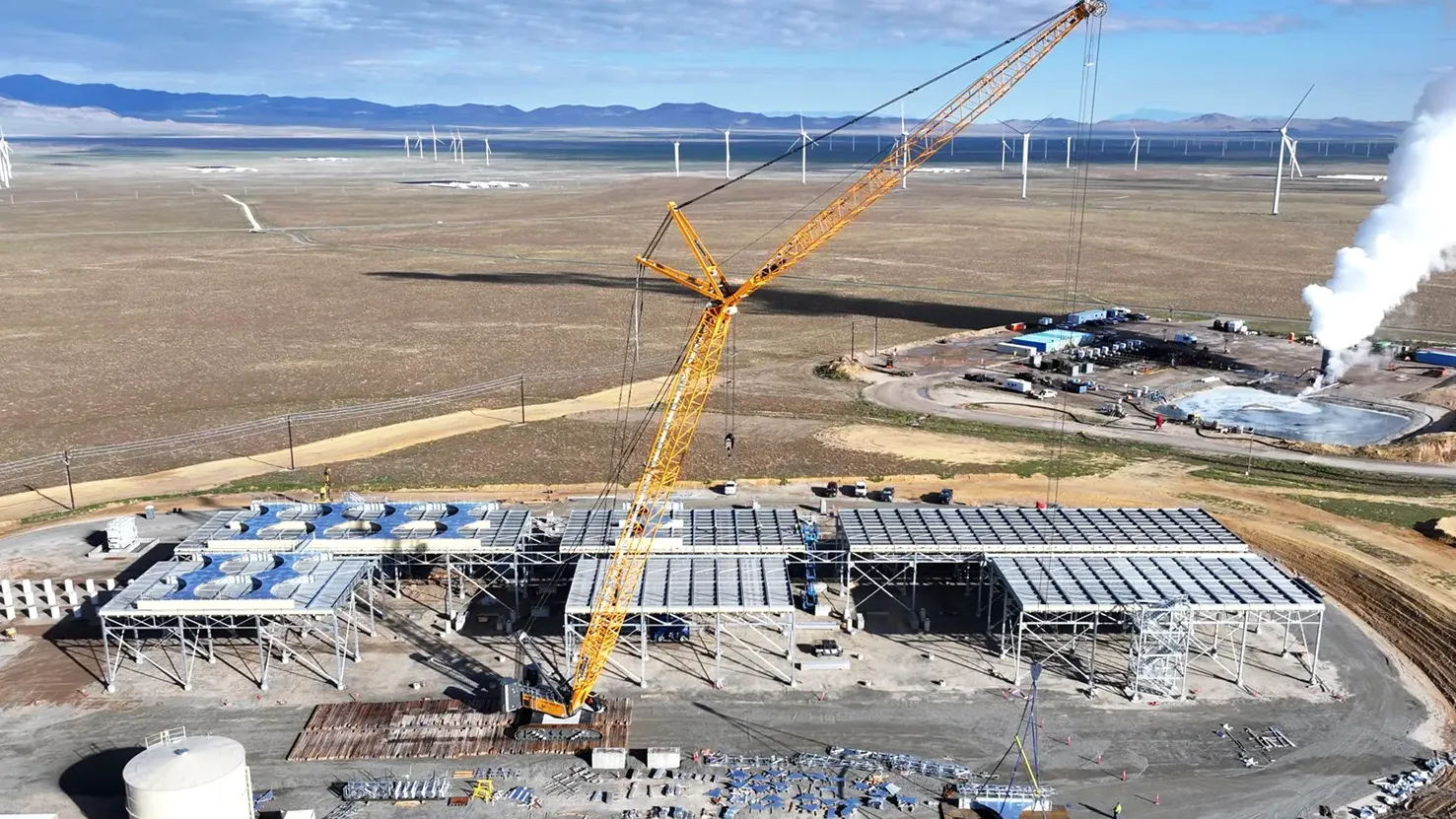
    • Fervo expanded its geothermal supply chain plans with a 1.75-gigawatt turbine deal, suggesting firm, always-on renewable generation is gaining strategic weight.
    • The National Weather Service issued a flood warning in Kansas for multiple river points, including the Little Blue River near Barnes, where minor flooding was forecast with a crest above flood stage.
    • California’s community solar dispute intensified after criticism that regulators missed a chance to expand affordable solar access for lower-income residents.

    On the surface, these stories have little in common. Underneath, they are all about one thing: who gets reliable electricity, when, and at what cost.

    Why grid congestion is suddenly a preparedness issue

    Most people hear the phrase grid congestion and tune out. That is a mistake. Congestion means power exists somewhere on the system, but the wires and local capacity constraints keep it from getting where it needs to go efficiently. For households, that translates into a few practical risks:

    • Delayed renewable projects, which slows the addition of new supply.
    • Higher balancing costs, which can feed into consumer bills.
    • Greater stress during peak demand, especially in heat waves and severe weather.
    • More dependence on patchwork fixes instead of durable resilience upgrades.

    The Dutch project matters because it treats a battery as a grid-control asset. That is a more advanced use case than the simple version people picture, where a battery just stores extra solar generation and discharges later. A controllable congestion mitigator can be operated strategically to relieve bottlenecks on the network.

    Why should you care if you are building a blackout plan for your home, RV, bug-out cabin, or storm-season kit? Because utilities are quietly telling you the future grid will need more flexibility than the old one. If the big system needs storage to stay balanced, your personal system probably does too.

    What this means for your own backup power planning

    • Solar alone is not enough if your risk window includes overnight outages, heavy cloud cover, or fast-moving storms.
    • Battery storage is becoming the core resilience layer for households that want refrigeration, communications, lighting, and medical-device support.
    • Portable power stations now make more sense than ever for renters, apartment dwellers, and people who cannot install permanent systems.

    Expert tip: if your goal is outage survival rather than weekend convenience, size your system around critical loads, not total household wattage. A refrigerator may average far less than its startup surge. A CPAP machine, modem, LED lighting, and phone charging draw little power individually, but together they define whether your household stays functional for 12 to 72 hours.

    A smart baseline for many families is to map these three numbers before buying anything:

    • Continuous wattage need: what must run at the same time
    • Surge wattage need: what kicks hardest at startup
    • Daily watt-hours: what you need over a 24-hour cycle

    If you do not know those numbers, you are not buying backup power. You are guessing.

    Geothermal’s big move is a warning about reliability, not just clean energy

    The Fervo turbine deal is large enough to grab attention for one reason beyond the headline gigawatt figure: geothermal is prized because it can provide firm generation. Unlike solar and wind, it is not tied directly to sunlight or immediate wind conditions. That makes it strategically important in a grid trying to decarbonize without becoming fragile.

    Preparedness-minded readers should pay attention whenever the energy market starts rewarding steady output. It means grid planners are acknowledging a hard reality: intermittent resources need backup, balancing, or both.

    • Solar is excellent for distributed resilience, especially with batteries.
    • Geothermal is excellent for stable grid supply where resources and infrastructure allow.
    • Batteries are the bridge technology that helps connect variable generation with real-world demand.

    This matters because many homeowners still build emergency power plans around a single panel kit or a small inverter battery bought for camping. That setup may charge phones and lights, but it often falls short for weather-driven outages lasting more than a day. The broader market is moving toward layered reliability. You should too.

    For households reviewing emergency preparedness gear, the key shift is this: power products should be evaluated like life-support infrastructure, not lifestyle accessories. Runtime, recharge speed, battery chemistry, temperature tolerance, and pass-through capability all matter more than flashy peak-watt marketing.

    The Kansas flood warning is the local face of a national energy problem

    A flood warning for the Little Blue River near Barnes does not sound like a national trend piece. It is. The alert forecast minor flooding, with river levels expected to rise above flood stage and then drop later. That may seem manageable, but minor flood events are exactly where many households get caught underprepared. Roads become unreliable. Farm access changes. Utility crews are stretched. Basement seepage turns into sump-pump dependency. Small disruptions pile up.

    The warning also named concrete impact thresholds. At higher stages, farm fields near Highway 148 north of Barnes were expected to flood. That level of detail matters because preparedness is local. A statewide headline tells you less than a river gauge and a road reference.

    Why flood alerts and backup power belong in the same plan

    • Flooding often triggers secondary power problems, including substation risk, damaged local lines, and inaccessible repair routes.
    • Water management depends on electricity, especially sump pumps, well pumps, and some septic systems.
    • Communication resilience becomes critical when roads or low-water crossings limit movement.

    If you live in a flood-prone area, your backup power priorities should usually be ranked like this:

    • First: communication, warnings, and lighting
    • Second: refrigeration for food and medications
    • Third: water-related equipment such as pumps, if applicable
    • Fourth: climate control, especially for medically vulnerable occupants

    Notice what is missing? Nonessential comfort loads. During short-notice flood conditions, the goal is not to power your house normally. The goal is to preserve safety, sanitation, and decision-making.

    Preparedness rule: If a warning is issued for your county, treat power as a vulnerable system even if no outage has been announced yet. Charge everything early. Stage lighting. Top off batteries. Move extension cords, power stations, and medical equipment above potential water level.

    California’s community solar fight exposes a resilience gap

    The California dispute matters far beyond California because it highlights who gets left behind when energy policy becomes too slow, too restrictive, or too detached from household reality. Critics argue the proposed direction effectively blocks new community solar development at a time when energy prices are already painful, especially for lower-income residents.

    Community solar is not the same as owning rooftop panels, but it can be one of the few viable clean-energy access points for renters, apartment residents, and households with unsuitable roofs. If those pathways stall, so does equitable resilience.

    • Rooftop solar favors people with property control and upfront capital.
    • Community solar can broaden access for people who otherwise have no practical entry point.
    • When policy blocks deployment, lower-income households remain exposed to volatile rates and weaker energy security.

    Here is the preparedness angle many analysts miss: households priced out of resilient energy systems are usually the same households hit hardest by blackouts, heat events, and emergency displacement. A backup generator is expensive. A whole-home battery is expensive. Even a quality portable power station and folding solar array can be a serious stretch for a family already choosing between utility bills and groceries.

    So yes, this is a regulatory story. It is also a household survival story.

    What you can do if you cannot afford a full backup setup

    • Start with tier-one loads only: phones, radios, lights, medications, and one cooling or heating workaround if medically necessary.
    • Build a 72-hour energy plan, not a whole-house fantasy.
    • Use modular gear so each purchase adds a real function.
    • Prioritize rechargeable systems that can accept solar input for multi-day outages.

    A realistic 72 hour survival kit should include more than food and first aid. It should account for device charging, lighting, weather alerts, water purification support, and the ability to preserve at least a small amount of critical medication or baby formula if refrigeration is required.

    The trend underneath all four stories

    If you strip away the regional details, the trend is unmistakable:

    • Utilities are racing to add flexibility.
    • Firm power sources are becoming more valuable.
    • Weather disruptions remain immediate and local.
    • Access to resilient energy is still uneven.

    That is the new backup power reality. The grid is not failing everywhere all at once. It is becoming more complex, more dynamic, and in some places more constrained. That means your preparedness plan cannot depend on a single assumption like “the outage will be short” or “the utility will restore service before nightfall.”

    Ask yourself one uncomfortable question: if a warning is issued in your area tonight, do you know exactly what stays powered for the first 12 hours? If not, your next gear purchase should solve that problem first.

    A practical resilience checklist for the next 30 days

    • Audit your critical loads and write down watts, surge needs, and daily runtime.
    • Test your charging chain from wall power, car charging, and solar if available.
    • Store all portable batteries at a ready state, typically around the manufacturer’s recommended standby charge level.
    • Pair every weather warning plan with a power plan, especially in flood, tornado, wildfire, and heat-risk regions.
    • Keep power gear dry, elevated, and labeled so it can be deployed in minutes.
    • Practice a 24-hour outage drill before you need one for real.

    The headline lesson from the Netherlands, Washington County flood warnings, California’s solar dispute, and the geothermal buildout is not abstract. It is personal. Large systems are being redesigned because reliability is harder than it used to be. Your household should respond the same way: simplify, prioritize, store energy, and prepare for the moments when the grid is present but not enough.

  • Frost, Rough Seas, New E‑Bike Rules: A Mobile Power Reality Check

    You can do everything “right” for a quick morning run—charge the e-bike, toss a jacket in your pannier, and plan to swing by a friend’s place on the way. Then real life happens: a surprise frost advisory until 9:00 AM EDT and your garden hoses are stiff, your battery range drops, and that “two-up” ride you’ve been doing for years might suddenly be treated as illegal in California. Meanwhile, if you’re coastal or boating in Alaska, a small craft advisory with 25-knot winds and 9-foot seas is the kind of forecast that turns “fun outing” into “survival math.”

    The common thread isn’t fear—it’s friction. Weather forecasts and regulations are the quiet forces that decide whether your mobility plan works when you actually need it. Here’s how to think about it like a prepper: not as separate news items, but as a checklist that hardens your off-grid readiness.

    1) The real story: mobility plans fail at the margins

    Most emergency plans assume your gear works as advertised and your routine is legal and practical. But forecasts and rule changes attack the margins—those “small” assumptions you don’t write down.

    • Weather margin: A frost advisory calling for lows around 33°F sounds mild, until you remember cold reduces battery output and slows charging. “33°F” isn’t just a gardening problem—it’s an energy-density problem.
    • Ocean margin: A small craft advisory isn’t a vibe check. 25 kt winds plus 9 ft seas is a constraint on what craft can safely operate and how much power, redundancy, and flotation you need.
    • Legal margin: A proposed California e-bike bill targeting passengers could turn a popular setup—pillion seats, extended benches, two-up rides—into a liability overnight.

    Why it matters: In an outage or disruption, mobility is power. If you can’t legally or physically carry a second person (or extra supplies) on your e-bike, your “backup plan” shrinks.

    Forecasts are operational limits, not trivia: “Temperatures as low as 33 will result in frost formation… until 9 AM EDT,” and “S wind 25 kt. Seas 9 ft.” aren’t just descriptive—they tell you what plans will break.

    2) Frost vs. batteries: the mistake people keep making

    The common misconception: “If it’s above freezing, my battery and gear behave normally.” Not true. Frost conditions often sit right in the range where lithium batteries feel sluggish: voltage sags under load, regenerative braking can be limited by the BMS, and charging can be restricted or slowed to protect cells.

    Compare 33°F with frost vs. a mild 55°F morning. At 55°F, you can pull full power repeatedly without thinking. At 33°F, you may see:

    • Less usable range on the same route (because higher internal resistance means more loss under acceleration).
    • Weaker peak power right when you want it (hills, loaded cargo, headwinds).
    • Charging constraints if the pack is cold-soaked (many systems reduce or block charging when cells are too cold).

    Expert-level tip (most beginners miss this): Don’t “warm the battery” by hammering the throttle from cold. Instead, start with a gentle load for the first 5–10 minutes. You’re letting the pack warm gradually from internal heat without hitting low-voltage cutoffs early. If you can, store the battery indoors and install it right before departure.

    If your preparedness plan includes running medical devices or comms while traveling, consider pairing your mobility kit with a compact power setup from the Off-Grid Power category—something you can charge indoors and bring out when temps are hostile to on-bike charging.

    3) Rough seas are an off-grid power problem wearing a life jacket

    Small craft advisories are easy to underestimate if you’ve never tried doing anything technical on a pitching deck. In the Alaska forecast, the pattern is punishing: 9 ft seas show up repeatedly, with 25 kt winds today and again Sat through Sun, plus rain and snow. That combination changes what “portable” means.

    Sea state vs. land: On land, a 1,000Wh power station can be a comfortable buffer. On water, the same unit becomes a projectile unless it’s strapped down and packed correctly. And saltwater plus electronics is a brutal comparison: one is forgiving, one is not.

    • Water environment: Prioritize waterproofing, tethering, and corrosion control. Use dry bags, dielectric grease on connectors, and strain relief on cables.
    • Power needs: Navigation lights, radios, GPS/phone charging, and bilge pumps all fight for attention. The “tiny” loads become mission-critical.
    • Redundancy: One power source is a single point of failure. Two smaller sources often beat one big one for resilience.

    For boaters and coastal preppers, your power plan should sit next to your flotation plan. If you’re assembling a kit, browse Life Support gear with the same seriousness you apply to watts and watt-hours—because in 9-foot seas, the best battery is the one you can still reach and safely use.

    4) California’s passenger e-bike crackdown: why it matters for preparedness

    A newly introduced California bill could change how passengers are carried on bicycles and e-bikes, potentially outlawing a feature that’s become common on modern e-bikes: carrying a friend on a rear seat or “2-up” setup. That sounds like lifestyle news—until you treat your e-bike as part of your evacuation and mutual-aid plan.

    Two-up riding vs. solo cargo: From a preparedness standpoint, carrying a second human isn’t a luxury. It’s how you move a kid, a partner with limited mobility, or someone who can’t safely ride. If rules tighten, you may need to shift to alternatives:

    • Cargo e-bike + child seat or certified passenger setup (designed and rated for it).
    • Trailer strategy (for gear or, where legal and safe, specialized passenger trailers).
    • Two-bike plan (redundancy and legality, but requires training and maintenance for both riders).

    Cause and effect: If passenger carry becomes restricted, then your evacuation plan must assume one rider per bike unless you invest in a compliant platform. Therefore, your household’s mobility capacity might drop by 50% unless you adapt.

    Common mistake: Buying an e-bike based on influencer aesthetics (long bench seat, pegs, “moped style”) without verifying passenger legality, frame rating, and braking performance under load. For preparedness, “looks cool” is the wrong metric; stops safely when loaded is the metric.

    5) A readiness comparison table you can actually use

    Use this as a quick planning lens: the same gear behaves differently depending on whether the constraint is temperature, sea conditions, or legality.

    Constraint What the forecast/rule signals What fails first Best upgrade path
    Frost (to 9 AM EDT, ~33°F) Cold-soaked gear; slippery surfaces; plant damage risk Battery range/peak power; cold charging limitations Indoor battery storage; insulated cover; gentle warm-up ride; backup power bank
    Small craft advisory (25 kt, 9 ft seas) Handling risk; gear gets wet; operations become physical Loose electronics; corroded connectors; unsecured power stations Waterproof packing; tethers; redundant small power sources; marine-rated lighting/comms
    California e-bike passenger restrictions (proposed) 2-up riding may be restricted/illegal depending on setup Mutual-aid transport capacity; child/partner mobility Rated cargo/passenger e-bike; trailer; second bike; documentation of compliance

    What you should do next (a practical playbook)

    1. Write a “mobility capacity” number. How many people can your household move legally and safely with your current bikes/scooters? If the answer depends on “we’ll just double up,” assume that’s fragile.
    2. Cold-proof your battery routine. If a frost advisory pops up, treat it like a range warning: store batteries indoors, depart with a warm pack, and avoid fast charging a cold-soaked battery.
    3. Turn marine forecasts into go/no-go rules. If you see sustained 25 kt winds and 9 ft seas, build a pre-departure rule set: what must be strapped, what must be in dry storage, what comms are required, and what “cancel” thresholds you won’t argue with.
    4. Audit passenger solutions. If you need to carry a kid or partner, prioritize platforms designed for it—stronger frames, better brakes, and clear rated passenger accommodations.

    FAQ

    Does frost at 33°F really affect e-bike range?

    Yes. Even when it’s just cold enough for frost, lithium packs can deliver less usable energy under load, and your bike may feel less punchy. Treat frost mornings as “range reduction” days and plan extra buffer.

    What does a small craft advisory with 25 kt winds and 9 ft seas mean for gear?

    It means your environment is aggressively wet and unstable. Electronics must be waterproofed and tethered, and anything heavy (power stations, tool kits) must be secured so it doesn’t become dangerous if the boat lurches.

    If California limits riding with a passenger on an e-bike, what’s the best alternative?

    A purpose-built cargo or passenger-rated e-bike is usually the cleanest solution, followed by a trailer strategy where appropriate. For preparedness, the goal is a setup you can defend as safe and compliant—not something that only works until you get stopped.

    Forecasts and laws will keep changing. The uncomfortable question is whether your “grab-and-go” plan changes with them—or breaks the first time you need it.

  • Extreme Weather and Power Security: Floods, Forest Fires and the Push for Portable Energy Solutions

    Introduction

    As climate-related disasters become more frequent and severe, the question of how to maintain electricity during emergencies is moving from a niche concern to a mainstream priority. Recent floods in Australia and forest fires in India and Myanmar have underscored the vulnerability of power infrastructure, while advances in portable power stations are providing new tools for households and responders seeking reliable backup energy. The convergence of these developments is particularly visible during major retail events such as Amazon’s Big Spring Sale, where high-capacity power stations are being promoted as essential resilience gear rather than luxury camping accessories.

    Australia’s Queensland Floods Disrupt Communities

    In early to mid-March 2026, the city of Bundaberg in southeastern Queensland, northeastern Australia, experienced intense rainfall that led to widespread flooding and river overflows. The flooding disrupted essential services, damaged property and forced residents from their homes, illustrating once again how quickly extreme weather can upend daily life.

    By 1 April, humanitarian assessments indicated that approximately 10,200 people had been affected in the wider area, with around 300 residents displaced from their homes. Beyond the direct physical damage from inundated streets and properties, the floods disrupted transport links, public utilities and communications networks. These impacts complicated emergency response efforts and highlighted the critical role of reliable, decentralised power in keeping information flowing and essential equipment functioning.

    Weather forecasts for the following 48 hours pointed to additional moderate to locally heavy rainfall in northern Queensland and the Northern Territory, with further moderate precipitation expected across southern Western Australia, south‑eastern South Australia and western Tasmania. While not all of these areas were forecast to see flooding on the scale of Bundaberg, the outlook underscored the broader regional exposure to heavy rainfall events.

    Power Reliability Under Strain

    Flood events such as those in Queensland typically strain electrical infrastructure in several ways:

    • Substation and line damage: Floodwaters can damage substations, transformers and distribution lines, leading to extended outages.
    • Access limitations: Even where infrastructure survives, flooded roads can delay repair crews and limit fuel deliveries for conventional backup generators.
    • Public safety shutoffs: Utilities may proactively cut power in affected neighborhoods to reduce electrocution risk in standing water.

    These vulnerabilities make alternative, portable power sources increasingly attractive for both households and small businesses, particularly in regions that experience recurring floods or storms.

    Forest Fires in India and Myanmar Raise Further Concerns

    While parts of Australia were coping with excess water, other regions in Asia were facing the opposite problem: destructive forest fires. On 22 March 2026, a forest fire broke out in India and continued until 29 March. Just days later, on 27 March, a separate forest fire began in Myanmar, lasting until 30 March.

    Although detailed damage assessments are still emerging, the timing and duration of these incidents emphasize a pattern of fire seasons that are longer and more intense in many parts of the world. Drier conditions, higher temperatures and land-use changes are all contributing to an environment in which forest fires can spread more rapidly and become more difficult to control.

    Energy Challenges in Fire-Prone Regions

    Major forest fires present a parallel set of power reliability issues:

    • Threats to transmission lines: Overhead high-voltage lines and wooden distribution poles are susceptible to fire damage.
    • Preventive outages: To reduce the risk that electrical equipment might spark new fires, utilities sometimes impose preemptive shutdowns during high wind and high fire-danger periods.
    • Evacuation support: Evacuees need power for communication devices, medical equipment and basic lighting in shelters or temporary accommodation.

    In both India and Myanmar, where rural communities may already face intermittent power supply even in normal weather, large fires can exacerbate vulnerabilities. The use of portable power stations—essentially large rechargeable battery systems that can be charged from the grid or solar panels—is increasingly seen as a practical solution to maintain essential services during outages.

    Portable Power Stations Move into the Mainstream

    Against this backdrop of flooding and wildfires, consumer interest in portable power stations has been rising. Originally marketed primarily to camping enthusiasts and off‑grid hobbyists, these devices are now being positioned as key components of household emergency plans.

    Portable power stations differ from traditional petrol or diesel generators in several important ways:

    • Fuel-free operation: They store electricity in batteries and can be recharged from wall outlets, vehicle chargers or solar panels, eliminating the need to store or transport liquid fuel.
    • Low noise and zero local emissions: Their quiet operation makes them suitable for indoor or apartment use, provided they are used with appropriate ventilation for connected devices.
    • Digital management: Many units include smart displays and app connectivity, allowing users to monitor consumption and remaining runtime.

    For households affected by weather‑related outages, these features can translate into safer and more convenient backup power, especially where access to fuel may be limited during an extended emergency.

    Expert Testing and Buying Advice

    Independent reviewers who have tested numerous portable power stations highlight several key factors that buyers should consider, particularly when shopping during large sales events:

    • Capacity (watt-hours): Determines how long the unit can run appliances. Higher capacity is important for powering refrigerators, medical devices or multiple electronics over many hours.
    • Output power (watts): Indicates how many devices can be run at once and whether heavy loads such as power tools or portable heaters can be supported.
    • Portability: Weight and design affect whether a unit can realistically be moved during an evacuation or used across different parts of a property.
    • Charging methods: Compatibility with solar panels and the speed of AC charging are crucial for multi‑day outages.
    • Durability and safety features: Overload protection, temperature monitoring and robust casing become especially important in harsh conditions.

    Reviewers often recommend that households in disaster-prone areas think in terms of critical loads—such as communications, refrigeration for medications and basic lighting—rather than attempting to power an entire home as usual. Matching the power station to these specific needs can keep costs under control while still significantly improving resilience.

    High-Capacity Systems Reach Record Discounts

    One of the more striking recent developments is the arrival of large, home‑scale portable power systems at historically low prices during major online promotions. Such is the case with the Anker Solix F3800, a flagship power station that registered a record discount during Amazon’s Spring Sale.

    This high‑capacity device is designed to function as a central hub in a household backup system. Its capabilities are tailored not just to occasional camping trips, but to scenarios where an entire home might need substantial support for extended periods, such as during a flood‑related blackout or a planned outage in a fire‑risk region.

    What Large Systems Like the Solix F3800 Offer

    While specifications vary by model and configuration, high‑end units in this category typically offer:

    • Very large battery capacity: Sufficient for running key household circuits for many hours or even days, depending on usage.
    • High output power: The ability to start and run demanding appliances such as refrigerators, sump pumps, well pumps or multiple air‑conditioning units in a staggered manner.
    • Expandable ecosystems: Options to add extra battery packs or integrate with rooftop solar, enabling semi‑permanent backup solutions.
    • Home integration: Compatibility with transfer switches or home power panels that allow safer connection to selected circuits.

    During sale events, some of these premium systems are seeing price reductions measured in thousands of dollars off their list prices, bringing them within reach of a wider pool of consumers who want robust emergency backup without investing in a permanently installed generator.

    From Consumer Gadgets to Critical Infrastructure

    The recent flood in Bundaberg and the forest fires in India and Myanmar illustrate a broader trend: disasters are becoming more common, and the effects on energy systems are increasingly visible. While national grid operators and governments work on large-scale infrastructure and climate adaptation measures, households and small businesses are turning to portable power stations as a practical stopgap and a way to regain a measure of control.

    For residents in flood‑prone coastal regions, a power station can keep communication devices and crucial medical equipment running when lines go down. In fire‑prone rural communities, battery-based backup can reduce reliance on fuel deliveries and support extended evacuation periods. For emergency responders and aid organizations, portable power can help maintain communications, power field equipment and support shelters without the logistical constraints of fuel‑based generators.

    Planning for Future Emergencies

    Experts encourage individuals and communities to integrate portable power solutions into broader preparedness plans rather than treating them as stand‑alone gadgets. A comprehensive approach typically involves:

    • Risk assessment: Understanding local hazards—whether floods, fires, storms or heatwaves—and their likely impact on power supply.
    • Critical loads inventory: Listing all devices that must remain powered in an outage and estimating their energy needs.
    • Diversified power options: Combining portable power stations with solar panels, vehicle charging and, where appropriate, traditional generators.
    • Regular testing: Periodically charging and using backup systems to ensure they are ready when needed.

    As the events in Australia, India and Myanmar show, climate and environmental risks are no longer abstract or distant. They are shaping how people think about infrastructure, emergency response and everyday resilience. The rapid evolution of portable power technology, coupled with increasingly accessible pricing during major sales, suggests that these devices will play an expanding role in how communities adapt to an era of more frequent and intense natural hazards.