You can ignore a product teaser. You cannot ignore a chain of weather alerts that hits the coast, the Great Lakes, and inland waters all at once. One marine zone is dealing with northeast winds building to 30 knots with blowing snow and visibility down to 1 nautical mile or less. Another is under a gale warning with seas running 8 to 12 feet. Farther south, a severe thunderstorm watch stretches across Lake Michigan-adjacent waters. The useful prep lesson here is not just “bad weather happens.” It is that different hazards now create the same household problem: unstable power, bad charging windows, and harder evacuation or shelter-in-place decisions.
This is the real trend hiding inside these headlines. Weather risk is fragmenting by region, but your power plan still has to work as one system. At the same time, digital sensor networks are becoming central to water-quality and environmental monitoring, while EV platforms keep expanding into more real-world use cases. That combination matters for preparedness because it points to a near future where data is better, alerts are faster, and your margin for being underpowered is smaller.
The quick read: what changed this week
- Arctic coastal waters: Brisk wind advisory conditions include NE winds from 20 to 30 kt, repeated periods of blowing snow, and visibility reduced to 1 NM or less during the worst stretches.
- Bering Sea offshore waters: A gale setup brings S winds 20 to 35 kt, 8 to 12 ft seas, mixed rain and snow, followed later by another jump to E wind 20 to 35 kt with 10 to 14 ft seas.
- Lake Michigan coastal waters: A severe thunderstorm watch covers nearshore and offshore zones from Sturgeon Bay to Sheboygan, which is a reminder that coastal and marine communities are not just hurricane stories.
- Lake Erie: A digital sensor network is being positioned as part of a cleanup strategy, signaling a wider move toward continuous environmental monitoring instead of occasional manual checks.
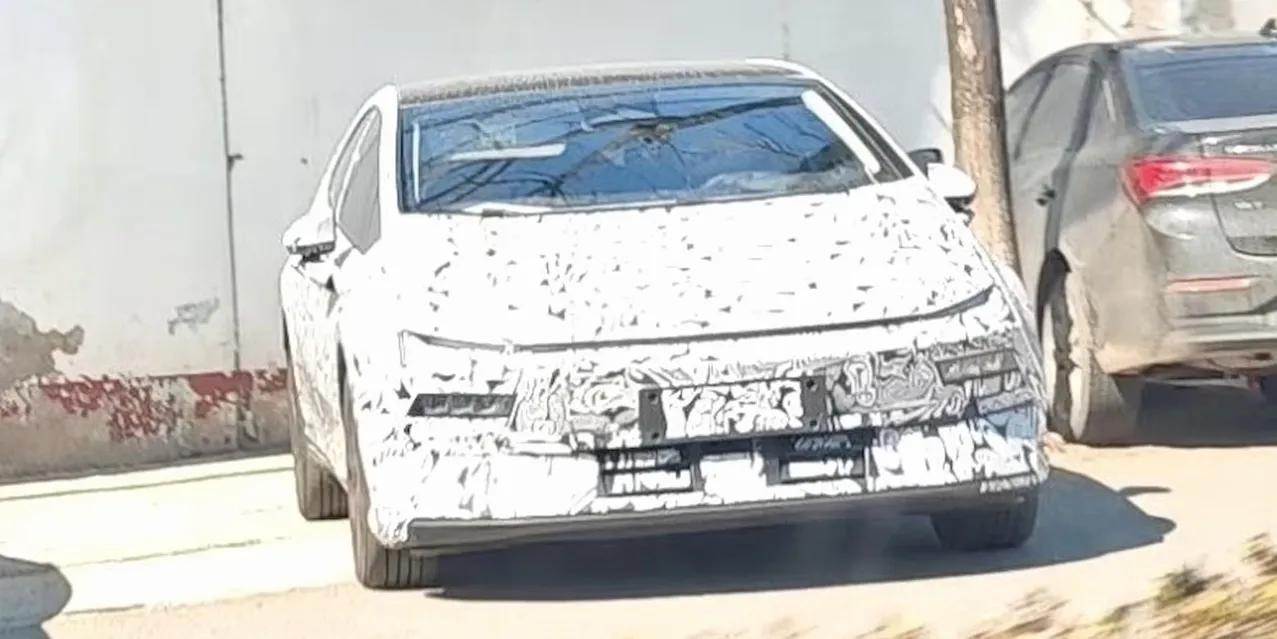
- EV market signal: Hyundai’s new Venus IONIQ EV being spotted in public underscores that vehicle electrification is still accelerating, which matters if you track mobile power, bidirectional charging, and emergency energy resilience.
If that feels like an odd mix of stories, ask yourself a simple question: what do they all have in common for a prepared household? They all point to a grid and mobility future where situational awareness and stored energy matter more than ever.
The dominant trend is not one storm—it is layered disruption
The easiest mistake is treating each warning as a local event with local consequences. That misses the bigger pattern. These alerts show multiple hazard types unfolding at the same time:
- Cold-weather marine wind and blowing snow in Alaska
- Gale-driven wave risk and marine transport disruption in the Bering Sea
- Convective thunderstorm risk along Great Lakes waters
- Environmental monitoring upgrades in a heavily stressed freshwater basin
For emergency preparedness, that means your power and communications plan cannot be built around a single script like “charge devices before the storm.” A 72-hour plan that works for one region may fail in another if it ignores temperature, charging access, travel restrictions, and water issues.
Why this matters for backup power right now
- Wind events reduce mobility: Even if your house keeps power, roads, ferry schedules, and marine access can become unreliable.
- Cold plus wind increases battery stress: Lithium batteries charge slower and discharge less efficiently in low temperatures, especially when stored in unheated spaces.
- Storm watches compress decision time: Thunderstorm watches often leave you less time to top off batteries, secure panels, and pre-cool or pre-heat living space.
- Water-system monitoring is becoming digital: More sensors and more telemetry can mean better warnings, but only if your household can receive them during outages.
That last point gets overlooked. Better public data does not help much if your router is down, your phone battery is at 12%, and your weather radio is buried in a drawer with dead alkaline cells.
What the Alaska warnings reveal about gear selection
The Alaska marine forecasts are not casual breezes. 30-knot northeast winds paired with blowing snow and reduced visibility create a brutal reminder that wind is rarely a standalone problem. It amplifies cold exposure, complicates travel, and makes outdoor setup work slower and less safe.
- Portable solar becomes unreliable during the event: Snow, cloud cover, short daylight, and the need to keep panels stowed in high winds all reduce harvest.
- Battery-first planning becomes essential: You want stored watt-hours before the front arrives, not a plan to generate through it.
- Cable management matters more than people think: In blowing snow and freezing conditions, stiff cables and poor connectors become failure points fast.
- Heating loads must be triaged: Resistive space heaters are usually unrealistic on most portable stations. Focus on powering blowers, ignition systems, communications, lighting, and medical devices first.
Expert tip: For cold-region outages, measure your critical loads in watt-hours, not just watts. A CPAP at 40 watts for 8 hours is 320 Wh. A modem and router at 20 watts for 12 hours is 240 Wh. LED lighting at 15 watts for 6 hours is 90 Wh. Add conversion losses and you quickly see why a “small backup battery” often disappoints. Realistic overnight resilience usually starts around 500 to 1000 Wh for very light loads, and more if communications, refrigeration, or medical needs are involved.
The Bering Sea gale warning points to a harder truth: solar is not always the answer
Preparedness sites love portable solar because it is clean, quiet, and genuinely useful. But a gale forecast with 20 to 35 kt winds and 8 to 12 ft seas is a blunt reminder that generation methods have weather limits. During the wrong event, your best asset is not a panel. It is pre-charged storage, fuel discipline, and load control.
When gale conditions are in play, prioritize this order
- First: Fully charge batteries, power stations, radios, phones, and tool batteries before conditions deteriorate.
- Second: Move foldable panels and lightweight stands indoors. High winds can destroy them or turn them into debris hazards.
- Third: Shift refrigeration strategy. Keep doors shut, freeze water bottles ahead of time, and know your food safety window.
- Fourth: Preserve vehicle fuel and charge. Your car may become your warming station, communications backup, or evacuation tool.
That is also why hybrid setups remain the smartest path for many households: a battery power station for silent indoor use, a safe outdoor charging option when the weather clears, and a fuel-based backup if your risk profile justifies it.
💡 Recommended gear check: If you are building a practical 72-hour setup instead of chasing gadgets, start with dependable emergency preparedness gear that covers lighting, charging, communications, and shelter support before you spend on nice-to-have accessories.
Lake Michigan’s thunderstorm watch is a reminder that inland coasts have marine-style risk
People often underestimate the Great Lakes because they are not ocean coastlines. That is a mistake. A severe thunderstorm watch affecting waters from Sturgeon Bay to Sheboygan, including offshore zones, highlights how fast conditions can deteriorate around inland coastal communities.
- Short warning lead times can catch people mid-commute or on the water.
- Grid interruptions are more likely when strong storms combine lightning, wind, and localized infrastructure damage.
- Cell networks can congest during watch-to-warning transitions.
- Boat owners and shoreline residents face dual responsibilities: home readiness and marine asset protection.
The practical takeaway is simple: your backup power plan should assume at least one communications failure. Keep redundant charging for phones, a weather radio with fresh batteries, and at least one lighting option that does not depend on your main battery bank.
The Lake Erie sensor story matters more to preparedness than it first appears
A digital sensor network aimed at restoring and monitoring Lake Erie sounds like environmental policy news. It is. But it is also preparedness news. Why? Because modern resilience increasingly depends on early detection.
- Water-quality problems can become public-health problems.
- Distributed sensors can spot changes faster than periodic human sampling.
- Better monitoring supports faster advisories, smarter local response, and more targeted infrastructure decisions.
- Digitized public systems raise the importance of household-level backup communications and power.
This is the hidden shift: preparedness is no longer just about enduring impact. It is also about staying connected to a more data-rich warning ecosystem. If local agencies get better at detecting problems but your household loses the ability to receive and act on alerts, your resilience gap remains.
Where the new EV sighting fits into a preparedness strategy
The public appearance of Hyundai’s new Venus IONIQ EV is not an emergency story by itself. But it does reinforce a trend survival-minded readers should watch closely: the vehicle is becoming part of the home energy conversation.
Why EV developments matter to preppers and off-grid users
- Larger onboard batteries can eventually support more meaningful emergency backup roles.
- Vehicle-to-load and vehicle-to-home features are turning some EVs into mobile energy assets, not just transportation.
- Charging dependence means households need better outage planning, especially in storm-prone regions.
- Public charging reliability becomes a preparedness issue during regional disruptions or evacuations.
Do not over-romanticize this. An EV is not a magic blackout solution unless the hardware, inverter capability, outlet support, and planning all line up. But the direction of travel is obvious. Prepared households should now think in terms of integrated energy layers: power station, solar, vehicle, and fuel backup if needed.
Your fast-action checklist for the next multi-alert week
- Charge early, not late. When a watch or advisory is issued, top off all batteries immediately. Do not wait for the “real storm” to begin.
- Store lithium batteries above freezing when possible. Cold-soaked packs underperform exactly when you need them most.
- Secure portable solar before wind arrives. If gusts are rising, harvested watts are not worth panel damage.
- Know your critical-load number. Add up your 24-hour watt-hour needs for communications, lighting, medical devices, refrigeration, and heat-support equipment.
- Build for 72 hours first. That is the most realistic baseline for many households and the easiest way to expose weak spots.
- Protect your alert pipeline. Keep at least two ways to receive warnings: phone plus weather radio, or phone plus battery-backed internet.
- Use your vehicle strategically. Maintain at least a half tank in combustion vehicles or a practical state of charge in EVs when weather risk is elevated.
The bigger story this week is not one warning, one lake, or one vehicle sighting. It is that preparedness now sits at the intersection of harsher local weather, smarter monitoring, and more electrified daily life. If your backup plan still assumes clear skies for recharging, unlimited mobility, and perfect communications, it is already behind the curve.
Fix that before the next alert stack arrives. The households that do best are not the ones with the most gear. They are the ones that understand which systems fail first—and have already decided what gets powered when everything else gets messy.