Marine Hazards Along the Northeastern Seaboard
As the workweek begins, mariners between Sandy Hook, New Jersey, and Montauk Point, New York, are being urged to exercise caution due to a Small Craft Advisory covering waters out to 20 nautical miles. The forecast calls for sustained east winds increasing to between 15 and 25 knots, with gusts reaching 30 knots, and wave heights building to four to seven feet. These compounded conditions are expected to persist through the early hours of Friday, creating a choppy and challenging environment for smaller vessels.
Coastal operators, recreational sailors and commercial interests alike are being reminded that the combination of stronger gusts and rising seas reduces maneuverability and increases the risk of capsizing. Even experienced crews should be wary of sudden gusts and shifting currents, particularly when navigating narrow channels or approaching harbors. The advisory underscores that the period of most hazardous conditions will last through Thursday night into the predawn hours of Friday, leaving a window of heightened caution for a significant portion of the mid-week.
While mariners are advised to postpone or carefully plan voyages, shore-based communities along the corridor should also prepare for increased wave action that could lead to localized shoaling or impacts at launch ramps. Vessel operators are advised to double-check equipment, ensure adequate seamanship, and monitor updates from local authorities as the advisory window progresses.
Western Mountains Brace for High-Elevation Wind Events
In the western United States, the National Weather Service has issued a High Wind Watch covering the Western San Gabriel Mountains, the Highway 14 corridor, and the Western Santa Monica Mountains Recreational Area. The northeastern winds are forecast to reach 25 to 40 miles per hour on Friday, with gusts possibly spiking to 65 miles per hour. These strong winds are expected to develop through the morning and persist into the afternoon, raising the threat of damaging gusts at higher elevations and ridge lines.
Residents and visitors to the affected mountainous regions should be alert to the potential for trees and power lines being brought down by the forceful winds. Such impacts could lead to widespread electrical outages, especially in areas where vegetation is already stressed by seasonal dryness. On the roads, travel may become treacherous for high-profile vehicles, including trucks, vans and RVs, which are more susceptible to tipping or losing control when hit by sudden gusts. Motorists traveling through passes should reduce speed, increase following distances and consider delaying travel until conditions calm.
Emergency management teams and park authorities are likely to stage crews for rapid response to tree falls or blocked routes. Campgrounds, trailheads and other recreational sites may have to restrict access temporarily to ensure visitor safety. The wind event also heightens fire management concerns, as fast-moving gusts can quickly accelerate wildfires in dry chaparral. Fire agencies urge evacuation plans to be reviewed and for residents near wildland areas to stay aware of any spark risks.
Alaska’s Coastal Waters Remain Aggressive for Small Craft
Southwest Alaska, Bristol Bay, the Alaska Peninsula, and the Aleutian Islands continue to contend with unsettled maritime conditions. The Small Craft Advisory covering waters out to 100 nautical miles orders continued caution through early Tuesday in the Aleutians, with persistent seas and brisk winds shaping the forecast. Overnight, easterly winds of 15 knots are expected to push seas to around six feet while light snow showers arrive. By Wednesday, southeast gusts escalate to roughly 25 knots, and wave heights climb toward nine feet amid a mix of snow and rain showers. These elevated seas, coupled with periodic precipitation, maintain a hazardous marine environment through Thursday.
By Thursday night, winds are expected to shift to the northwest while seas remain around eight to ten feet, still a danger for small vessels navigating through passes and straits. Forecast guidance projects a calming trend into the weekend, with winds falling below 15 knots and seas dropping to near four to six feet by Saturday into Sunday. However, mariners should remain mindful of residual swell and occasionally erratic gusts, especially in the more exposed offshore areas.
Coastal communities that rely on marine traffic and subsistence fishing should plan accordingly, as both commercial and subsistence crews face delays in accessing critical hunting grounds and fishing zones. The rough weather also challenges aircraft operations at smaller regional airports, in turn affecting supply chains and emergency services that rely on air transfer across remote stretches of the Alaska frontier.
Demand Surges Test Energy Infrastructure Amid AI Data Center Expansion
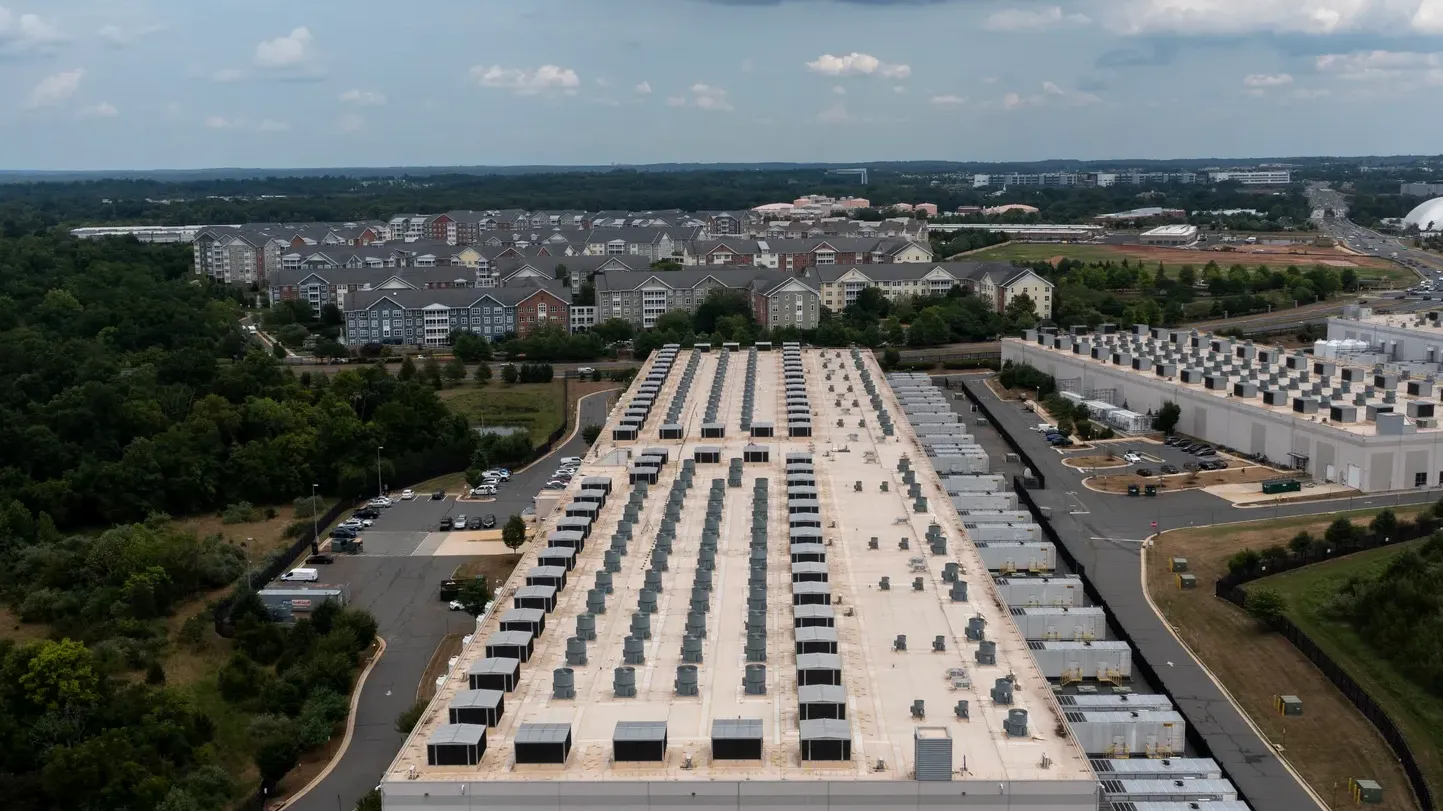
At the heart of these meteorological concerns is a broader, less visible pressure on the nation’s energy backbone. Data centers tasked with housing artificial intelligence workloads are drawing power in unprecedented volumes and presenting a novel strain on grids engineered for the steadier behavior of conventional computing tasks. AI workloads typically require sustained high-power draw, and the grids supporting them are finding it difficult to adapt without modernization.
Utility planners point to the mismatch between legacy systems and the bursty, high-density loads demanded by advanced computing facilities. These sites have to maintain exceptionally reliable uptime, which, in turn, induces power demands that are far less forgiving than those of traditional data processing centers. The result is that infrastructure designed around historical usage profiles now faces the twin threats of overloads during peak periods and underutilization at other times—both of which affect overall grid stability.
Storage has emerged as a vital solution for balancing this new load profile. By integrating batteries and other forms of energy storage, operators can draw power during low-demand periods and discharge it to meet spikes induced by AI operations. In effect, storage systems act as shock absorbers, smoothing the peaks and troughs that modern data centers produce. This is particularly important for AI workloads, which can cause rapid surges in demand that would otherwise require costly upgrades to transmission lines and transformers.
Intelligent storage deployments also support resilience when weather events strain the grid. For example, high winds that topple lines or coastal storms that add heating loads can be partially mitigated by tapping stored power, giving operators precious time to respond without triggering widespread outages. Beyond batteries, there is growing interest in advanced forms of thermal storage and other technologies that co-locate with AI centers to optimize efficiency. These systems help keep power on through both rapid growth in consumption and the physical disruptions caused by weather.
As the United States transitions to an energy model that must simultaneously handle extreme weather and digitally driven demand growth, coordination between meteorological forecasting, utilities, and the data center industry becomes essential. Investments in grid upgrades, distributed energy resources, and adaptive storage capacity will help ensure that regions facing heavy winds, turbulent seas, or the relentless pull of AI workloads can maintain service continuity. The current patchwork of advisories and warnings illustrates the broader need for resilience across both natural and technological landscapes.
Preparing for a High-Impact Stretch of Weather and Demand
As the week unfolds, key stakeholders across multiple regions are taking precautionary measures. Coastal authorities monitor rising sea states and adjust navigation protocols, while western municipalities stage teams to respond to wind-caused hazards. Meanwhile, energy planners work to match supply patterns to these evolving demands, with storage networks taking a greater role in bridging gaps.
Residents in all affected areas are encouraged to stay informed through local channels, ensure emergency kits and communication plans are current, and heed advisories issued by maritime, mountain, and meteorological services. Routine checks of generators, shore power connections, and marine safety gear can reduce exposure to acute risks. Travelers are advised to anticipate delays and prioritize safety over scheduling to avoid unnecessary danger.
The convergence of dynamic weather systems and shifting energy requirements highlights that resilience can no longer be a reactive posture. It requires deliberate preparation, investment, and communication among agencies, industries, and the public. With thorough planning and adaptive infrastructure, the country can better withstand the unpredictable tempo of storms and the relentless pace of technological demand growth.