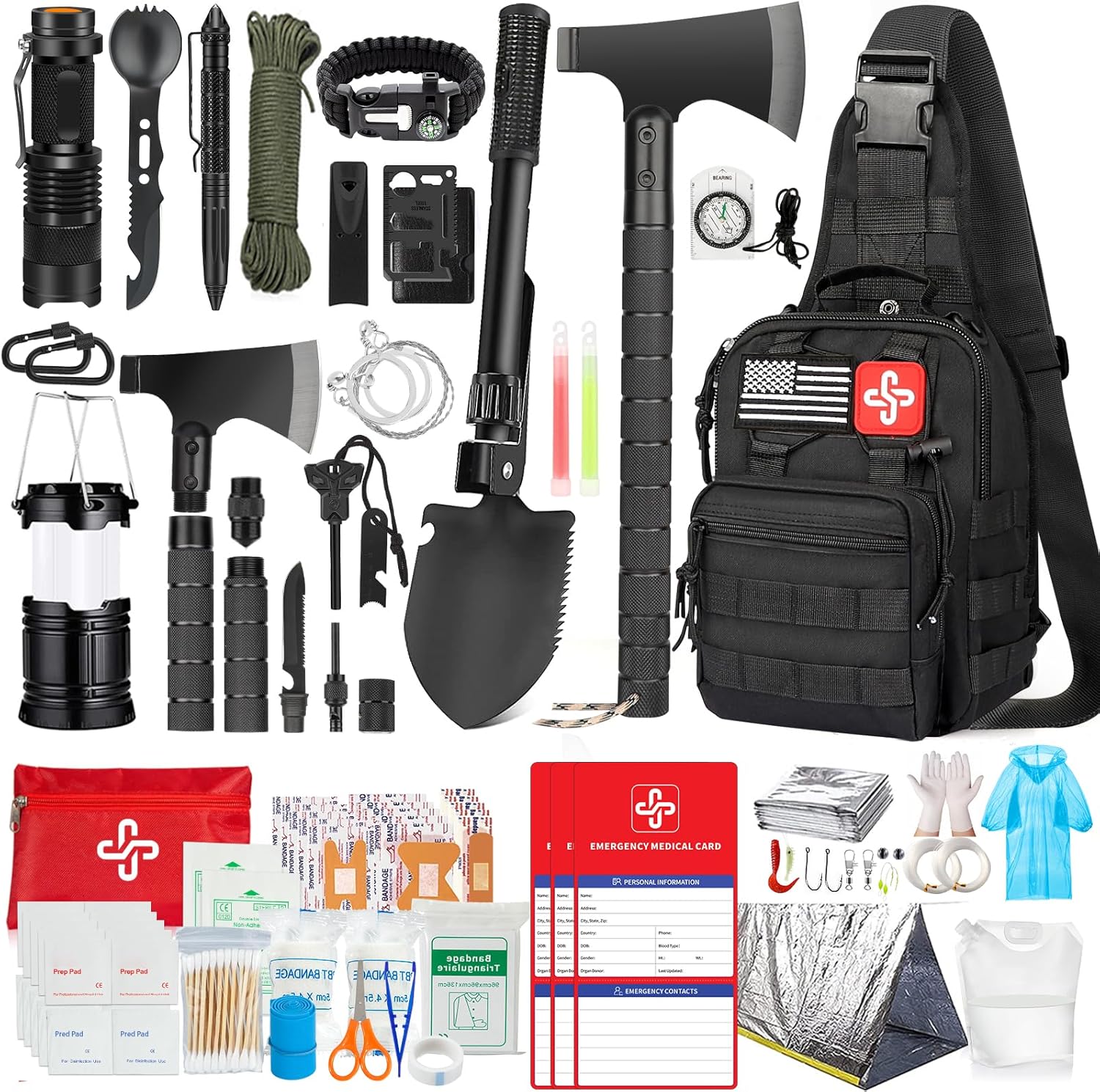
Summary: A detailed checklist of compact survival tools every camper and backpacker should carry. We cover the 10 essentials system, explain why each item matters, provide weight-conscious recommendations, and help you build a survival kit that could save your life in the backcountry.
Why Every Camper Needs a Survival Tools Checklist
The wilderness does not forgive lack of preparation. Every year, search and rescue teams across North America respond to thousands of calls from hikers and campers who found themselves in unexpected survival situations — sudden weather changes, navigation errors, equipment failures, or medical emergencies that turned a routine outing into a life-threatening ordeal.
The difference between a manageable inconvenience and a genuine emergency often comes down to the compact survival tools you carry in your pack. A well-curated survival kit weighing under a pound can address the most critical threats you might face in the backcountry: exposure, dehydration, inability to signal for help, and lack of navigation capability.
This checklist is built around the modern 10 Essentials system developed by mountaineering organizations, adapted specifically for compact, ultralight implementation. Whether you are a day hiker, weekend backpacker, or thru-hiking veteran, these items should be in your pack on every trip.
The 10 Essential Categories for Wilderness Survival
The 10 Essentials framework has guided outdoor preparedness since the 1930s. Originally a list of specific items, it has evolved into a systems-based approach where each category addresses a critical survival need. Here is how to build your compact survival toolkit around each one.
1. Navigation Tools
GPS devices and phone apps are convenient, but batteries die, screens crack, and satellite signals get blocked by terrain. A liquid-filled baseplate compass and a waterproof topographic map of your area weigh under 3 ounces combined and never need charging. Learn basic compass navigation before you need it — the middle of a whiteout is not the time for a tutorial.
For extended backcountry trips, consider adding a personal locator beacon (PLB) or satellite messenger. These devices can transmit your GPS coordinates to search and rescue services even in areas with zero cell coverage. At 3-5 ounces, this is potentially life-saving weight.
2. Fire Starting System
Fire addresses multiple survival priorities simultaneously: warmth, water purification, signaling, morale, and food preparation. Your fire kit should include at least two independent ignition methods. A ferrocerium rod is the most reliable primary fire starter for backcountry use because it works when wet, at any altitude, and in any temperature.
Pair your ferro rod with waterproof tinder that ignites easily and burns long enough to catch larger kindling. Commercial tinder pods, petroleum-soaked cotton balls, or fatwood shavings stored in a waterproof container are all excellent options. The Compact Survival Kit Pro includes a 4-inch ferro rod rated for 15,000+ strikes along with 4 waterproof tinder pods — enough fire-starting capability for dozens of emergency fires.
Carry a backup lighter as your secondary ignition source. A standard BIC lighter weighs under an ounce and provides thousands of lights. Store it in a waterproof bag to prevent accidental soaking.
3. Emergency Shelter
Hypothermia kills faster than dehydration or starvation. An emergency shelter can make the critical difference when you are forced to spend an unplanned night outdoors. The minimum viable shelter is an emergency Mylar blanket — they weigh about 2 ounces, fold to the size of a deck of cards, and reflect up to 90% of your body heat back to you.
For better protection, upgrade to an emergency bivy sack (4-6 oz) which fully encloses your body and provides superior wind and moisture protection compared to a flat blanket. If weight allows, carry a lightweight tarp (8-12 oz) and 50 feet of paracord. A simple A-frame tarp shelter takes 5 minutes to set up and provides excellent protection from rain, wind, and ground moisture.
4. Signaling Devices
When you need rescue, the ability to signal your location to search parties is critical. A 120 dB emergency whistle is the baseline — it requires no batteries, works in any weather, and carries sound over a mile in open terrain. Three short blasts is the universal distress signal.
A signal mirror with a sighting hole can flash reflected sunlight to aircraft up to 10 miles away in clear conditions. It weighs about 1 ounce and serves as a secondary signaling method during daylight hours. At night, a bright headlamp or mini flashlight with a strobe function serves the same purpose.
5. Cutting Tool
A reliable cutting tool is arguably the single most versatile survival item you can carry. It processes firewood, prepares food, cuts cordage, constructs shelter, and performs dozens of camp tasks. For most backpackers, a quality multi-tool provides the best balance of cutting capability and additional tool functions in a single compact package.
Look for a multi-tool with a locking blade made from quality steel (420HC or better), pliers, a small saw blade, and at minimum a flat-head screwdriver. The weight penalty of a multi-tool over a standalone knife is typically 2-3 ounces, but the added functionality is worth every gram in a survival scenario.
6. First Aid Kit
Pre-assembled first aid kits often contain items you will never use while missing things you actually need. Build or customize your own kit based on your specific activities and medical needs. The essential items for most backcountry trips include adhesive bandages in multiple sizes, butterfly wound closures, antiseptic wipes, medical tape, pain relievers (ibuprofen and acetaminophen), antihistamines, moleskin for blisters, and any personal prescription medications.
Store everything in a small waterproof bag and check expiration dates before every trip season. Take a wilderness first aid course — knowing how to use your kit is more important than what is in it.
7. Water Purification
Dehydration degrades your physical and mental capabilities faster than most people realize. In a survival situation, you need the ability to make water from natural sources safe to drink. A compact water filter (such as a squeeze filter at 2-3 oz) handles most biological contaminants. Backup chemical purification tablets (chlorine dioxide) weigh almost nothing and treat water in 30 minutes.
If you have fire capability and a metal cooking pot, boiling water for one minute at sea level (three minutes above 6,500 feet) kills all disease-causing organisms. This is why carrying a lightweight metal pot is dual-purpose — it is both cookware and a water purification vessel.
8. Illumination
A reliable light source is essential for nighttime navigation, shelter setup in the dark, signaling, and maintaining morale during unplanned bivouacs. A compact headlamp is the best option because it keeps your hands free for other tasks. Choose one with at least 150 lumens on high and 15+ hours of runtime on low.
Always carry spare batteries or ensure your headlamp has a rechargeable battery with sufficient charge for your trip duration plus an emergency reserve. A micro flashlight (under 1 oz) makes an excellent backup light source.
9. Sun and Insect Protection
Sunburn and insect-borne illness can turn from minor annoyances to serious health threats in a survival scenario. Carry broad-spectrum SPF 50+ sunscreen and insect repellent appropriate for your region. In tick-heavy areas, clothing pre-treated with permethrin provides an additional layer of protection. A lightweight sun hat and sunglasses protect against snow blindness at altitude and reduce sun exposure during extended outdoor stays.
10. Emergency Food
Even on a day hike, carry enough calorie-dense food to sustain you for an unexpected 24 hours. Energy bars, trail mix, nut butter packets, and jerky provide high calories per ounce and require no cooking. For extended trips, your regular food supply should include a one-day surplus beyond your planned itinerary.
In a true survival situation, your immediate priorities are shelter, water, and signaling — not food. The human body can survive weeks without food but only hours in severe cold without shelter and only days without water. Allocate your energy and resources accordingly.
Complete Compact Survival Checklist
| Category | Essential Item | Approx. Weight | Priority |
|---|---|---|---|
| Navigation | Liquid-filled compass | 1.0 oz | Critical |
| Navigation | Waterproof area map | 1.5 oz | Critical |
| Fire | Ferro rod + striker | 1.5 oz | Critical |
| Fire | Waterproof tinder (4 pods) | 0.8 oz | Critical |
| Fire | Backup lighter | 0.8 oz | High |
| Shelter | Emergency Mylar blanket | 2.0 oz | Critical |
| Signaling | Emergency whistle (120 dB) | 0.5 oz | Critical |
| Signaling | Signal mirror | 1.0 oz | High |
| Cutting | Multi-tool (locking blade) | 5.0 oz | Critical |
| First Aid | Custom first aid kit | 3.0 oz | Critical |
| Water | Purification tablets | 0.5 oz | High |
| Light | Mini flashlight + batteries | 1.5 oz | High |
| Cordage | 550 paracord (10 ft) | 1.0 oz | High |
| Misc | Waterproof notepad + pencil | 0.5 oz | Medium |
Total estimated weight: approximately 20.6 oz (1.3 lbs)
If you prefer a pre-assembled solution that covers most of these categories in a single package, our Compact Survival Kit Pro includes 15 of these essential items in a MOLLE-compatible waterproof case at just 12.3 oz.
Building Your Kit: Assembly Tips
Test everything before you need it. Practice starting a fire with your ferro rod in your backyard. Verify your compass works by cross-referencing it with a known landmark. Check that your flashlight batteries are charged. Familiarity with your gear under calm conditions builds the muscle memory you need when stress and adrenaline are compromising your fine motor skills.
Store your survival kit as a single module. Keep all items in one dedicated pouch or bag that lives in your pack at all times. This prevents the common mistake of forgetting individual items when switching packs or preparing for different trip types. The kit should be the last thing you consider removing and the first thing you confirm is packed.
Inspect and rotate seasonally. Check expiration dates on first aid supplies, tinder pods, and food items at the start of each hiking season. Replace batteries, sharpen blades, and test all mechanical components. This 15-minute maintenance routine ensures your kit is always ready when you need it.
When to Upgrade Your Survival Kit
As your backcountry experience grows, your survival kit should evolve with your skills and the complexity of your trips. Beginners benefit from pre-assembled kits that cover the basics without requiring extensive gear knowledge. Intermediate hikers should customize their kit based on specific regional hazards — bear country requires different preparations than desert hiking.
Advanced backcountry travelers often carry lighter, more specialized tools because their skills compensate for some gear redundancy. However, the core essentials — navigation, fire, shelter, signaling — should never be eliminated regardless of experience level.
Frequently Asked Questions
What is the single most important survival tool to carry?
If forced to choose only one tool, most survival experts recommend a quality multi-tool with a locking knife blade. A cutting tool enables you to build shelter, process firewood, prepare food, create signaling devices, and perform first aid. However, we strongly recommend never limiting yourself to a single item — the whole point of a survival kit is redundancy across critical categories.
How heavy should a survival kit be for day hiking?
A well-curated day hiking survival kit should weigh between 12 and 20 ounces, depending on regional hazards and personal medical needs. This is less than the weight of a full water bottle. Pre-assembled kits like our Compact Survival Kit Pro at 12.3 oz represent the lower end of this range while still covering all essential survival categories.
Can a smartphone replace dedicated navigation tools in a survival kit?
A smartphone is a useful supplementary navigation tool, but it should never be your only one. Phones have limited battery life, fragile screens, and can lose satellite reception in dense forest or canyon terrain. A liquid-filled compass and waterproof map work in all conditions, never need charging, and weigh a combined 2.5 ounces. Carry both digital and analog navigation.
Do I need a survival kit if I am only going on a short day hike?
Yes. The majority of wilderness rescues involve day hikers, not backpackers. Day hikers tend to carry less gear, underestimate trail difficulty, and are less prepared for unexpected weather or navigation errors. A compact survival kit weighing under a pound provides critical insurance against the unexpected, regardless of your planned trip duration.
How often should I replace items in my survival kit?
Inspect your survival kit at the start of each hiking season. Replace items with expiration dates (first aid supplies, chemical water purification tablets, food items) annually or as needed. Test batteries, sharpen cutting tools, and verify all mechanical components function correctly. Ferro rods and metal tools last indefinitely with proper care.
Related Reading
- Ultralight Backpacking Cookware Guide — Choose the best lightweight cookware for trail cooking
- Compact Survival Kit Pro — Pre-assembled 15-piece emergency kit
- Ultralight Titanium Cook Set — Grade 1 titanium cookware for backpacking
- Browse All Gear — Explore our complete catalog
- Survival Collection — All survival tools and emergency gear