You don’t need a landfalling hurricane to discover your emergency kit has holes. A river that quietly climbs from 19.4 feet to a forecast 32.5 feet over a few days can do it. So can a fast-moving band of showers over the Bay of Green Bay pushing winds to around 30 knots. Add a headline about a newly affordable electric vehicle, and a bigger preparedness story comes into focus: people are paying attention to power again, but many still confuse having electricity with having resilient power. Those are not the same thing when roads close, flood gates shut, and weather shifts by the hour.
The real lesson behind this week’s alerts is not weather alone
The dominant signal here is warning, not product hype. On one side, the National Weather Service alert for the Red River of the North at Oslo points to moderate flooding, with the river expected to rise above flood stage Wednesday and continue toward roughly 32.5 feet by Saturday or Sunday. Flood stage there is 26.0 feet, and city flood gate closures begin at 21.0 feet. Pump operations start at 23.0 feet. By 30.0 feet, levee and floodwall patrols begin. Those numbers matter because they translate abstract weather language into real-world friction: blocked travel, interrupted routines, delayed fuel access, and higher odds that your normal charging plan fails exactly when you need lights, radios, and communications most.
Preparedness rule: If a warning includes operational thresholds like gate closures, pump activation, or patrol triggers, assume your access to stores, charging, and quick resupply may tighten before the worst water arrives.
On the other side, the marine statement out of Green Bay is a reminder that not every dangerous event is slow. Doppler radar showed showers and isolated storms capable of producing winds to around 30 knots, moving northeast at 40 knots across central and southern Bay of Green Bay and the nearshore and open waters of Lake Michigan from Sturgeon Bay to Sheboygan. That is the kind of weather that catches anglers, weekend boaters, marina crews, and shoreline campers with their guard down. One minute you are checking the sky; the next you are dealing with rough water, reduced visibility, spray, and a hard deadline to secure gear and get information. If your emergency plan depends on a phone with 18% battery and no charging backup, you already know where this is going.
Cheap EV headlines are exciting, but backup power planning needs a different mindset
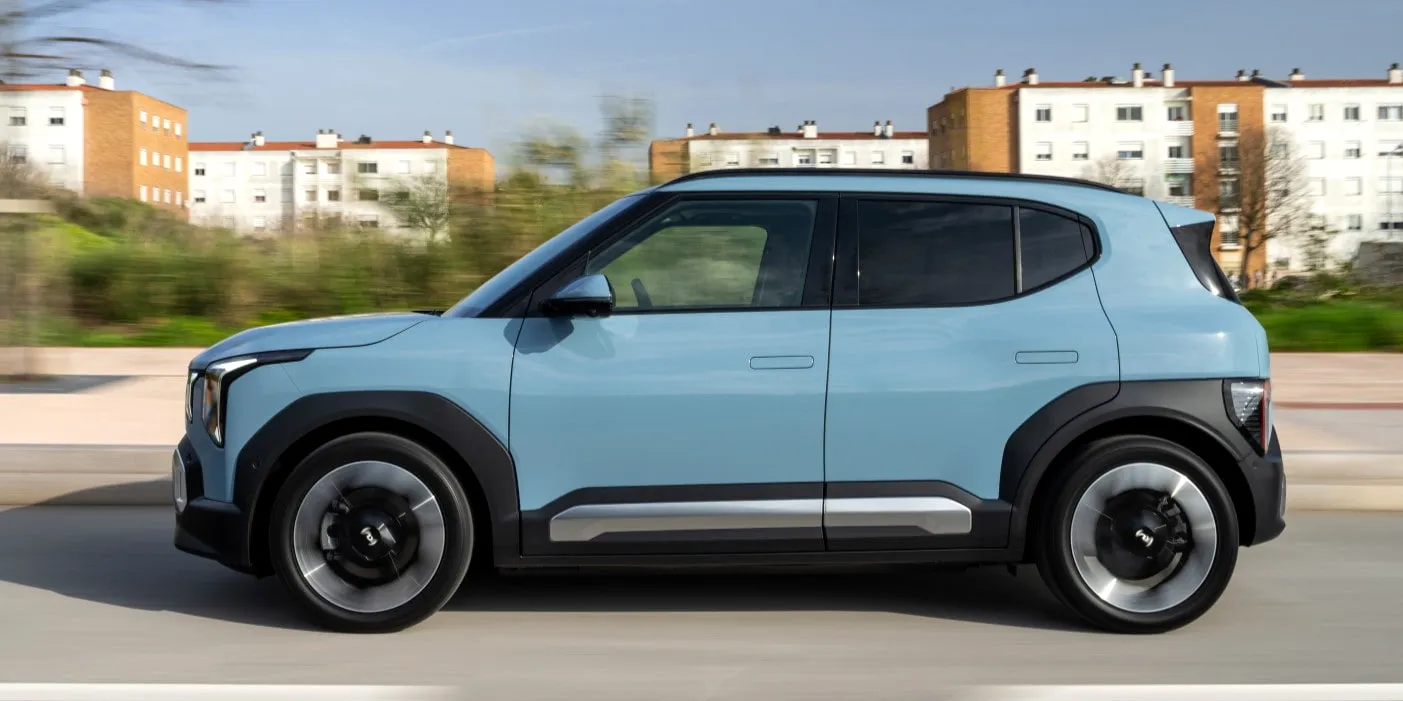
Kia opening European orders for its EV2 at lower-than-expected prices is genuine market news. Affordable EVs matter. They signal broader consumer demand for efficient batteries, cheaper energy use, and practical electrification. But the preparedness takeaway is not “an EV solves emergency power.” That is where too many people make a category error. A vehicle battery is transportation infrastructure first. Your household resilience stack is something else: lighting, weather awareness, communication, redundancy, and low-draw devices you can run for 72 hours without drama.
If you live in flood country, a vehicle can become inaccessible, stranded, or simply too valuable to treat casually as a backup generator substitute. If you are near the bay or a lakefront launch, weather can force fast movement and messy loading conditions where compact, dedicated gear beats improvised solutions every time. The smarter approach is layered power. Keep your vehicle charged, yes. But also keep a small standalone power ecosystem for the things that matter most: headlamps, radios, phones, medication coolers if needed, and USB-rechargeable safety tools. That ecosystem should be portable enough to grab in a hurry and simple enough for every family member to use in the dark.
Why warnings expose weak gear faster than blackouts do
A long outage is obvious. A warning period is trickier. You may still have grid power, but your margin for error shrinks. Flood prep often means moving vehicles, staging sandbags, checking sump pumps, calling relatives, and monitoring updates. Marine weather prep can mean returning to port, securing docks, and navigating shifting conditions on a compressed timeline. This is exactly when small failures snowball: dead flashlights, missing batteries, tangled cords, no weather radio, no dry bag, no organized charging kit. A quality Emergency Lighting setup is not glamorous, but it buys you speed, visibility, and decision-making capacity when every minute suddenly matters.
Expert tip: Build your first 72-hour power kit around low-watt essentials, not comfort appliances. Lights, radio, phone charging, and a battery bank deliver more survival value per watt-hour than almost anything else in a short emergency window.
That watt-hour logic is where many kits improve fast. A phone recharge may take roughly 10 to 20 watt-hours depending on the device and charging losses. An efficient LED lantern can run for hours on a modest internal battery. A weather radio uses very little power compared with what people imagine. Start there. If your budget is tight, prioritize reliability over capacity bragging rights. One durable lantern, one battery bank, one weather radio, and one disciplined charging routine will outperform a box of random gadgets purchased in panic mode.
Your most important flood and storm tools are boring—and that’s exactly why they work
People preparing for dramatic weather often overbuy knives and underbuy information tools. The flood warning in the Grand Forks region and the marine statement near Green Bay both point to the same operational truth: situational awareness beats heroics. You need alerts, light, waterproof storage, and hands-free communication power. A solid hand crank weather radio earns its place because it keeps delivering warnings when cell coverage degrades, charging options disappear, or you are intentionally conserving phone battery for calls and mapping.
Here is the expert-level move most people skip: stage your gear by movement scenario, not by room. Have one compact grab kit for a fast vehicle relocation, one home kit for sheltering in place, and one water-adjacent pouch for boat, dock, or shoreline use. Each should include a light source, charging cable, battery backup, whistle, and weather reception. For flood zones, elevate the home kit above projected seepage or basement risk. For marine use, use waterproof pouches and attach a glow marker or reflective strip. Simple? Yes. Life-saving? Also yes.
Small gear still matters when the threat is water
Not every item in an emergency loadout is electrical. Fast-changing weather often forces awkward physical tasks: hauling bins, tying down tarps, securing coolers, lashing doors, bundling wet gear, marking boundaries, and improvising repairs. That is where compact retention and utility items come in. Even something as humble as Paracord Survival Bracelets can make sense in a flood or marina context if you treat them as backup cordage rather than gimmicks. They are not a substitute for proper rope, but they are useful redundancy when you need to secure loose equipment, organize cables, or improvise a quick tie-off while your hands are cold and time is short.
The bottom line is straightforward. This week’s combination of river flooding concerns, marine weather hazards, and EV affordability news tells you that power is becoming more central to daily life, not less. But preparedness is not about chasing the biggest battery or assuming your vehicle covers every scenario. It is about building a resilient, portable system that survives warning-stage stress. If the river near Grand Forks is climbing, if winds on the bay are building, or if you may need to move fast before conditions worsen, you should already know where your light, radio, charging kit, and waterproof essentials are. If you have to search for them, your plan is not ready yet.