You can get a flood warning at breakfast and still have no clear answer by lunch on the question that actually matters: Will the power stay on, and if it does not, what keeps my essentials running? That is the real thread connecting a river alert in Kansas, a massive battery project in the Netherlands, a geothermal turbine deal in the U.S. market, and California’s latest community solar fight. They all point to the same uncomfortable truth: the grid is changing fast, but resilience at the household level is not keeping pace.
This is not just a utility-sector story. It is a preparedness story. When transmission congestion slows clean power deployment, when regulators bottleneck community solar, and when weather warnings hit agricultural counties with little fanfare but real local impact, you are looking at the growing gap between grid transition and personal energy security.
The quick read: what changed this week and why it matters
- The Netherlands moved forward on a large battery energy storage system designed as a controllable congestion mitigator, a sign that grid operators now view batteries as transmission tools, not just renewable add-ons.
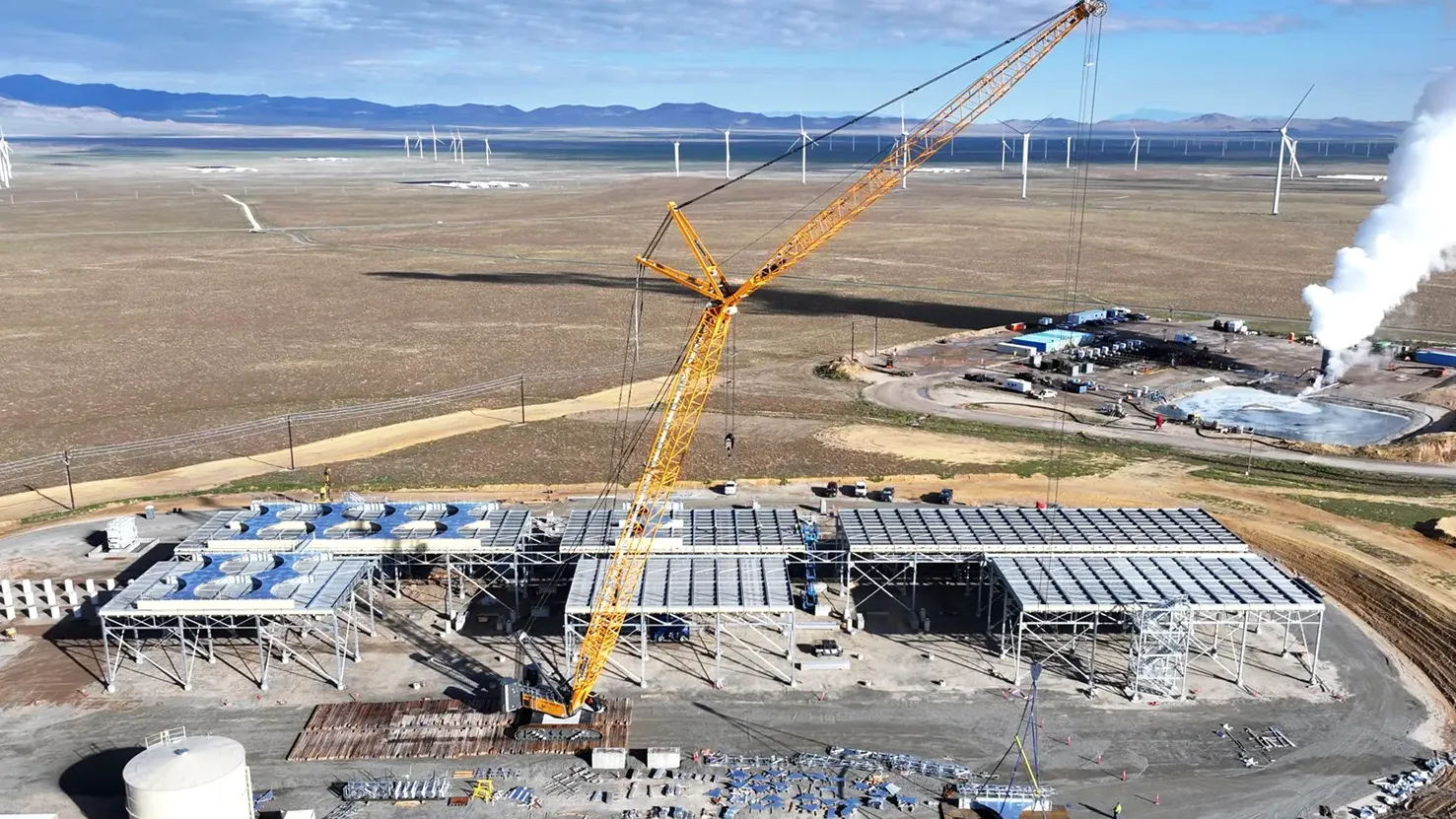
- Fervo expanded its geothermal supply chain plans with a 1.75-gigawatt turbine deal, suggesting firm, always-on renewable generation is gaining strategic weight.
- The National Weather Service issued a flood warning in Kansas for multiple river points, including the Little Blue River near Barnes, where minor flooding was forecast with a crest above flood stage.
- California’s community solar dispute intensified after criticism that regulators missed a chance to expand affordable solar access for lower-income residents.
On the surface, these stories have little in common. Underneath, they are all about one thing: who gets reliable electricity, when, and at what cost.
Why grid congestion is suddenly a preparedness issue
Most people hear the phrase grid congestion and tune out. That is a mistake. Congestion means power exists somewhere on the system, but the wires and local capacity constraints keep it from getting where it needs to go efficiently. For households, that translates into a few practical risks:
- Delayed renewable projects, which slows the addition of new supply.
- Higher balancing costs, which can feed into consumer bills.
- Greater stress during peak demand, especially in heat waves and severe weather.
- More dependence on patchwork fixes instead of durable resilience upgrades.
The Dutch project matters because it treats a battery as a grid-control asset. That is a more advanced use case than the simple version people picture, where a battery just stores extra solar generation and discharges later. A controllable congestion mitigator can be operated strategically to relieve bottlenecks on the network.
Why should you care if you are building a blackout plan for your home, RV, bug-out cabin, or storm-season kit? Because utilities are quietly telling you the future grid will need more flexibility than the old one. If the big system needs storage to stay balanced, your personal system probably does too.
What this means for your own backup power planning
- Solar alone is not enough if your risk window includes overnight outages, heavy cloud cover, or fast-moving storms.
- Battery storage is becoming the core resilience layer for households that want refrigeration, communications, lighting, and medical-device support.
- Portable power stations now make more sense than ever for renters, apartment dwellers, and people who cannot install permanent systems.
Expert tip: if your goal is outage survival rather than weekend convenience, size your system around critical loads, not total household wattage. A refrigerator may average far less than its startup surge. A CPAP machine, modem, LED lighting, and phone charging draw little power individually, but together they define whether your household stays functional for 12 to 72 hours.
A smart baseline for many families is to map these three numbers before buying anything:
- Continuous wattage need: what must run at the same time
- Surge wattage need: what kicks hardest at startup
- Daily watt-hours: what you need over a 24-hour cycle
If you do not know those numbers, you are not buying backup power. You are guessing.
Geothermal’s big move is a warning about reliability, not just clean energy
The Fervo turbine deal is large enough to grab attention for one reason beyond the headline gigawatt figure: geothermal is prized because it can provide firm generation. Unlike solar and wind, it is not tied directly to sunlight or immediate wind conditions. That makes it strategically important in a grid trying to decarbonize without becoming fragile.
Preparedness-minded readers should pay attention whenever the energy market starts rewarding steady output. It means grid planners are acknowledging a hard reality: intermittent resources need backup, balancing, or both.
- Solar is excellent for distributed resilience, especially with batteries.
- Geothermal is excellent for stable grid supply where resources and infrastructure allow.
- Batteries are the bridge technology that helps connect variable generation with real-world demand.
This matters because many homeowners still build emergency power plans around a single panel kit or a small inverter battery bought for camping. That setup may charge phones and lights, but it often falls short for weather-driven outages lasting more than a day. The broader market is moving toward layered reliability. You should too.
For households reviewing emergency preparedness gear, the key shift is this: power products should be evaluated like life-support infrastructure, not lifestyle accessories. Runtime, recharge speed, battery chemistry, temperature tolerance, and pass-through capability all matter more than flashy peak-watt marketing.
The Kansas flood warning is the local face of a national energy problem
A flood warning for the Little Blue River near Barnes does not sound like a national trend piece. It is. The alert forecast minor flooding, with river levels expected to rise above flood stage and then drop later. That may seem manageable, but minor flood events are exactly where many households get caught underprepared. Roads become unreliable. Farm access changes. Utility crews are stretched. Basement seepage turns into sump-pump dependency. Small disruptions pile up.
The warning also named concrete impact thresholds. At higher stages, farm fields near Highway 148 north of Barnes were expected to flood. That level of detail matters because preparedness is local. A statewide headline tells you less than a river gauge and a road reference.
Why flood alerts and backup power belong in the same plan
- Flooding often triggers secondary power problems, including substation risk, damaged local lines, and inaccessible repair routes.
- Water management depends on electricity, especially sump pumps, well pumps, and some septic systems.
- Communication resilience becomes critical when roads or low-water crossings limit movement.
If you live in a flood-prone area, your backup power priorities should usually be ranked like this:
- First: communication, warnings, and lighting
- Second: refrigeration for food and medications
- Third: water-related equipment such as pumps, if applicable
- Fourth: climate control, especially for medically vulnerable occupants
Notice what is missing? Nonessential comfort loads. During short-notice flood conditions, the goal is not to power your house normally. The goal is to preserve safety, sanitation, and decision-making.
Preparedness rule: If a warning is issued for your county, treat power as a vulnerable system even if no outage has been announced yet. Charge everything early. Stage lighting. Top off batteries. Move extension cords, power stations, and medical equipment above potential water level.
California’s community solar fight exposes a resilience gap
The California dispute matters far beyond California because it highlights who gets left behind when energy policy becomes too slow, too restrictive, or too detached from household reality. Critics argue the proposed direction effectively blocks new community solar development at a time when energy prices are already painful, especially for lower-income residents.
Community solar is not the same as owning rooftop panels, but it can be one of the few viable clean-energy access points for renters, apartment residents, and households with unsuitable roofs. If those pathways stall, so does equitable resilience.
- Rooftop solar favors people with property control and upfront capital.
- Community solar can broaden access for people who otherwise have no practical entry point.
- When policy blocks deployment, lower-income households remain exposed to volatile rates and weaker energy security.
Here is the preparedness angle many analysts miss: households priced out of resilient energy systems are usually the same households hit hardest by blackouts, heat events, and emergency displacement. A backup generator is expensive. A whole-home battery is expensive. Even a quality portable power station and folding solar array can be a serious stretch for a family already choosing between utility bills and groceries.
So yes, this is a regulatory story. It is also a household survival story.
What you can do if you cannot afford a full backup setup
- Start with tier-one loads only: phones, radios, lights, medications, and one cooling or heating workaround if medically necessary.
- Build a 72-hour energy plan, not a whole-house fantasy.
- Use modular gear so each purchase adds a real function.
- Prioritize rechargeable systems that can accept solar input for multi-day outages.
A realistic 72 hour survival kit should include more than food and first aid. It should account for device charging, lighting, weather alerts, water purification support, and the ability to preserve at least a small amount of critical medication or baby formula if refrigeration is required.
The trend underneath all four stories
If you strip away the regional details, the trend is unmistakable:
- Utilities are racing to add flexibility.
- Firm power sources are becoming more valuable.
- Weather disruptions remain immediate and local.
- Access to resilient energy is still uneven.
That is the new backup power reality. The grid is not failing everywhere all at once. It is becoming more complex, more dynamic, and in some places more constrained. That means your preparedness plan cannot depend on a single assumption like “the outage will be short” or “the utility will restore service before nightfall.”
Ask yourself one uncomfortable question: if a warning is issued in your area tonight, do you know exactly what stays powered for the first 12 hours? If not, your next gear purchase should solve that problem first.
A practical resilience checklist for the next 30 days
- Audit your critical loads and write down watts, surge needs, and daily runtime.
- Test your charging chain from wall power, car charging, and solar if available.
- Store all portable batteries at a ready state, typically around the manufacturer’s recommended standby charge level.
- Pair every weather warning plan with a power plan, especially in flood, tornado, wildfire, and heat-risk regions.
- Keep power gear dry, elevated, and labeled so it can be deployed in minutes.
- Practice a 24-hour outage drill before you need one for real.
The headline lesson from the Netherlands, Washington County flood warnings, California’s solar dispute, and the geothermal buildout is not abstract. It is personal. Large systems are being redesigned because reliability is harder than it used to be. Your household should respond the same way: simplify, prioritize, store energy, and prepare for the moments when the grid is present but not enough.