You can have a full pantry, a charged power station, and a decent storm plan—and still be badly underprepared the moment rough water, remote roads, or a sudden evacuation enter the picture. That is the uncomfortable lesson hiding inside recent small craft advisories out of Alaska, climate adaptation research from remote Nordic communities, and the broader disaster-recovery conversation happening at international workshops. Preparedness is no longer just about riding out a blackout at home. It is about staying functional when weather turns hazardous, communications thin out, and normal support gets slower, farther away, or both.
The most useful takeaway is not abstract: if your emergency setup only works in your house, on your driveway, or with a stable cell signal, you have a gap. And that gap gets wider in coastal zones, rural corridors, ferry-dependent towns, and any place where sea state, wind, road conditions, and distance all compound each other.
Why do marine warnings matter even if you are not a boater?
Because marine alerts are often an early, brutally honest signal of how quickly conditions can exceed everyday gear and everyday assumptions. Recent Alaska advisories flagged seas of 6 to 8 feet in one area and 7 to 10 feet in another, with sustained winds reaching around 30 knots. That is not just “bad boating weather.” It tells you transportation, resupply, fishing access, harbor movement, and emergency response timelines can all get disrupted.
If you live in a coastal community, camp near exposed water, depend on ferries, travel in shoulder seasons, or plan overland routes that run parallel to harsh weather zones, those warnings should influence your gear choices. A rough-sea advisory can cascade into delayed deliveries, stranded travelers, slower medevac access, and harder communication conditions. Preparedness starts long before the storm reaches your doorstep.
Think about the hidden chain reaction:
- Fuel and food access can tighten when transport slows.
- Medical access can degrade if small craft, local operators, or connecting routes become unsafe.
- Search-and-rescue windows narrow when winds and seas build.
- Power becomes more critical because weather delays often stretch from hours into days.
That is why a coastal or remote-area readiness plan should be built differently from a suburban outage kit. You need mobility, redundancy, and communication options that do not depend on ideal conditions.
A smart baseline is to treat severe marine weather the same way you would treat a winter road closure or wildfire evacuation notice: as a logistics warning. You may not be on a boat, but the system around you is still affected.
What does climate adaptation in remote communities teach about real preparedness?
The most important lesson is that resilience is not a single product. It is a behavior pattern. Research on small remote Nordic communities shows that people adapt through awareness, everyday routines, and local civic action—not by waiting for a perfect centralized solution. That matters for emergency preparedness because many households still shop as if one big battery or one premium gadget will solve everything.
It will not.
Remote communities tend to survive disruptions better when residents normalize a few practical habits:
- They track local hazards early instead of reacting late.
- They store essentials in layers rather than relying on one stockpile.
- They maintain social and communication links before an emergency happens.
- They adapt routines seasonally as risks change.
This is where many emergency kits fail. They are assembled once, sealed up, and forgotten. Real-world adaptation looks more like a living system. Your winter loadout should not match your shoulder-season ferry loadout. Your home blackout kit should not be identical to your truck bag. Your coastal weekend bag should not assume dry, calm, easily navigated conditions.
If you want one expert-level rule, use this: build for the failure of your first assumption. If you assume roads stay open, prepare for closures. If you assume your phone works, prepare for dead zones. If you assume home is the safest place, prepare for relocation.
That is why communication gear deserves more attention than it usually gets. A flashlight helps you see. A radio, signal light, whistle, or locator helps other people find you and coordinate with you. For anyone planning for storms, remote travel, shoreline exposure, or low-connectivity areas, a dedicated Field Communication setup is not overkill—it is one of the most practical upgrades you can make.
Should your backup power plan change if EVs and mobile living are part of the picture?
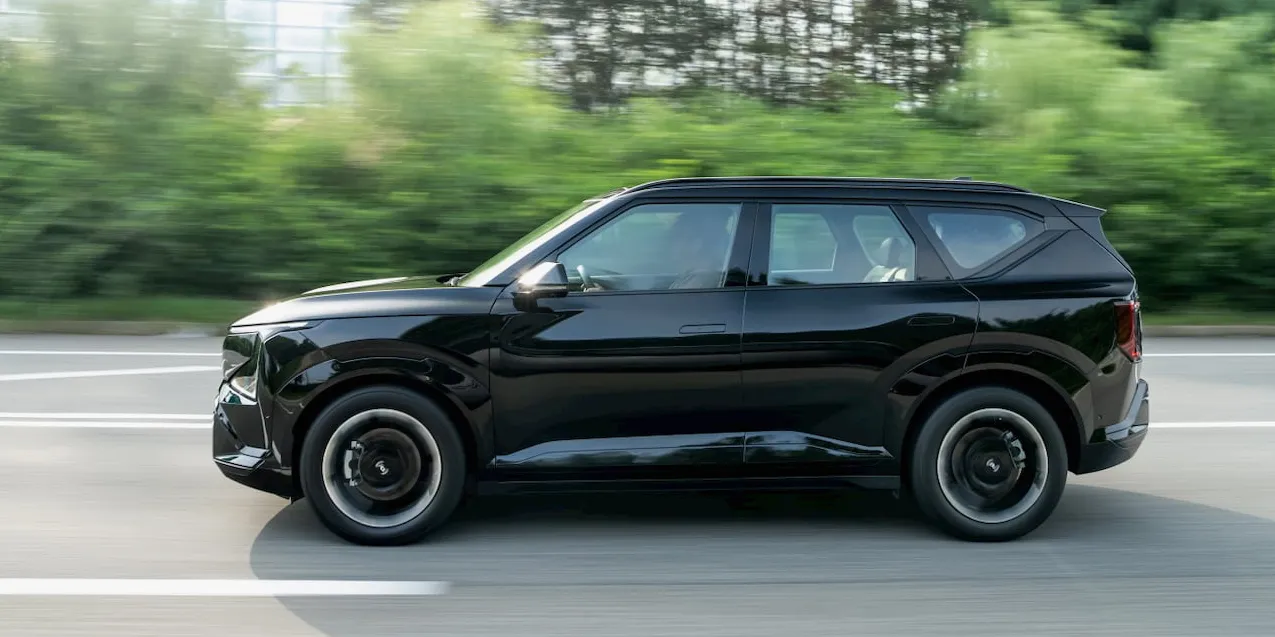
Yes, but not for the reason many people think. The sighting of another mid-size electric SUV testing in the US is a reminder that more households are blending transportation, backup power expectations, and outdoor mobility into one lifestyle. People see an EV-sized battery and immediately imagine a rolling emergency power solution. Sometimes that is realistic. Often it is not, at least not in the way social media suggests.
The real issue is not whether an electric SUV is “good” for preparedness. The issue is whether your broader system is designed around verified access, usable outputs, and charging resilience.
Ask yourself:
- Can you recharge during a prolonged outage if public charging is down or lines are long?
- Do you have a Level 1, Level 2, or off-grid-compatible backup strategy?
- Are you counting on vehicle power export features your specific model may not support?
- Have you separated transportation reserve from home backup reserve?
That last one is where people get sloppy. If your vehicle is also your evacuation asset, do not casually drain it to run household loads unless you know your margins. A storm week is not the time to discover that your “backup power” plan ate into your escape range.
For most households, the safer setup is layered:
| Preparedness Layer | Best Use | Common Mistake |
|---|---|---|
| Portable power station | Medical devices, comms, lights, small electronics | Buying too small for real runtimes |
| Portable solar panel | Extended outages, low-draw recharge | Expecting full-rated output in poor weather |
| Vehicle battery or EV support | Emergency reserve, mobility-first planning | Using transport energy too aggressively |
| Fuel-based generator | High-load backup for refrigeration or pumps | Ignoring fuel storage, noise, and ventilation risks |
If you want reliability, prioritize critical-load math over marketing. A CPAP, radio charger, phones, and LED lights may only require modest wattage, but refrigerators, heaters, hot plates, and pumps escalate demand fast. Know your watt-hours. Know your charging windows. Know your winter derating if you use solar.
And if you travel, stage essentials separately from your power kit. Your food, water, meds, and trauma supplies should stay accessible even if charging plans fail. A well-built 72 hour survival kit still matters because batteries do not replace hydration, calories, shelter, or warmth.
What are the most overlooked gear gaps for coastal, remote, and storm-prone emergencies?
The biggest misses are boring. That is exactly why they matter.
1. Communication redundancy
Many people carry one phone and call it a plan. In remote or weather-stressed environments, that is fragile. You need at minimum a charged phone, backup battery, cord, and one low-tech signaling method. In some cases, weather radio capability or satellite messaging is justified.
2. Water and thermal protection
Wind and spray can push mild conditions into dangerous territory faster than air temperature alone suggests. A wet, cold person loses function quickly. Pack layers for immersion-adjacent conditions even when you do not expect full water exposure: shell layer, insulation, gloves, hat, dry socks, and emergency blanket or bivvy.
3. Medical realism
Most kits are too light on trauma supplies and too heavy on convenience items. Blisters and bandages matter, but so do bleeding control materials, medications, anti-nausea support, and the ability to stabilize someone while help is delayed. Review your first aid kit items with actual hazard scenarios in mind, not just a generic camping checklist.
4. Lighting that works in motion
Lanterns are great in camp or at home. But headlamps, clip lights, and signal-capable lights are often more useful during loading, docking, vehicle recovery, or night movement. Hands-free beats decorative brightness.
5. Packaging and carry method
Would your gear survive spray, rain, a tipped tote, or a muddy roadside shoulder? Waterproof pouches, labeled modules, and grab-ready handles matter more than people realize. The best inventory in the world is useless if it turns into a soaked pile of loose gear.
Practical rule: Pack for one level worse than the forecast. If the advisory says hazardous to small craft, assume transport delays, cold exposure, and communication friction are all more likely than usual.
How should you upgrade your emergency setup this week?
Do not rebuild everything from scratch. Fix the weak points that recent warning patterns and climate adaptation lessons make obvious.
Start with this short checklist:
- Audit your kit for mobility. Can you move it fast, carry it alone, and use it away from home?
- Separate home backup from evacuation essentials. Your power station and your go-bag should complement each other, not compete.
- Add communication redundancy. Include signaling and charging backup, not just a phone.
- Stage cold-wet gear. Keep dry layers and hand protection packed where you can reach them quickly.
- Map your real 72-hour needs. Water, calories, meds, light, shelter, and heat retention first. Electronics second.
- Adjust seasonally. April wind, shoulder-season seas, and changing travel conditions demand different planning than peak summer.
One more thing: pay attention to what international disaster-recovery events keep emphasizing. The modern preparedness conversation is shifting away from one-time response and toward durable resilience—systems that keep people functioning before, during, and after disruption. That should shape how you buy gear. The best preparedness products are not just high-spec. They fit into routines you can maintain.
So ask the blunt question your current setup may be avoiding: if weather blocks movement, weakens communication, and stretches help farther away, do you still have a plan—or just a pile of equipment? That distinction is where real readiness begins.