You do not lose resilience only when the lights go out. You lose it when a storm closes a mountain road, when a marine forecast turns a routine trip into a dangerous one, when smoke changes the air you breathe, or when a long-running volcanic crisis quietly proves that some emergencies are not measured in hours at all. That is the real pattern hiding inside this week’s alerts from Alaska, California, Thailand, and Iceland: the hazard changes, but the preparedness failures repeat.
One week of warnings, one bigger preparedness story
Look at the details and the lesson becomes hard to ignore. In Alaska’s coastal waters, a Small Craft Advisory called for southwest winds around 20 knots shifting to west winds up to 30 knots, with gusts to 40 knots out of bays and passes and seas building from 4 feet to 8 feet. In Southern California mountains, a Winter Weather Advisory warned of wet snow accumulations up to around 6 inches above 6,000 feet, with gusts up to 40 mph and snow levels dropping from roughly 7,000 feet to as low as 4,500 to 5,000 feet late in the event. Thailand dealt with a forest fire stretching across multiple days. Iceland’s Sundhnúkagígar-Grindavík emergency showed something even more disruptive: infrastructure stress, evacuation pressure, and the reality that some communities are forced to adapt to repeated risk instead of a one-time disaster.
These are not interchangeable events. A boat in 8-foot seas does not face the same problem as a driver crossing a mountain pass in lowering snow levels, and neither resembles a family coping with smoke exposure or prolonged displacement near volcanic activity. But preparedness-minded readers should care about the overlap: every one of these scenarios punishes weak planning around power, communications, water, medical supplies, and mobility. If your backup setup only makes sense for a short blackout in suburbia, it is not a serious emergency plan.
Preparedness rule: Build for function, not for the headline. The event that reaches you may be snow, wind, smoke, ash, or evacuation orders, but your kit still has to keep lights on, phones charged, water treated, and critical gear running for at least 72 hours.
The hidden mistake: treating every alert like a weather problem
Most people read an advisory and focus on the obvious threat. Mariners think about wave height. Mountain travelers think about traction. Residents near a fire think about flames. That is understandable, but it is too narrow. The more useful question is this: what systems fail next? Once you ask that, the gear list changes fast.
On the water, 30-knot winds and 8-foot seas can turn battery management into a safety issue, not a convenience issue. Navigation electronics, VHF radios, bilge systems, GPS units, and emergency lighting all depend on power discipline. In mountain snow, your risk often starts after the vehicle stops moving. A dead phone, weak power bank, wet clothing, and no heat retention can become the real emergency. In wildfire conditions, the fire perimeter is only part of the threat; smoke, road closures, poor visibility, and grid instability often hit many more people than flames do. And in volcanic emergencies, the hard lesson is endurance. Repeated evacuations and infrastructure disruptions demand redundancy, not one heroic gadget purchase.
This is also why portable solar gets misunderstood. Solar is not magic during storms, and it is not your first line of survival in heavy smoke, marine spray, or active snowfall. But paired with the right battery size, charging strategy, and low-draw devices, it becomes a powerful recovery tool during daylight windows and longer disruptions. Think of it as a resilience multiplier, not an all-weather miracle.
Where backup power actually earns its keep
The smart move is to separate your loads by mission. A phone, headlamp, NOAA weather radio, satellite communicator, and small medical devices belong in your ultra-reliable core tier. That tier should run from protected battery storage first, because it needs to work in enclosed spaces, vehicles, shelters, and overnight. A second tier can include comfort and recovery loads such as fans, work lights, laptops, and small cooking support. A third tier covers high-draw wants that people often overestimate they can support. This is where many preppers go wrong: they buy a large power station for headline watt-hours, then discover that weather, charging conditions, and surge loads cut real-world performance down fast.
For a 72-hour emergency, many households are better served by a realistic layered setup than by one oversized unit. A dependable baseline might include a weather-resistant 300Wh to 1,000Wh portable power station, multiple 10,000 to 20,000mAh USB battery banks, redundant cables, and at least one panel sized for recovery charging when conditions improve. If you rely on CPAP, refrigerated medication, or mobility equipment, capacity planning needs to start with those devices first, not with your phone. That sounds obvious, yet people still build kits backward.
Medical resilience deserves the same discipline. A power kit without trauma basics is incomplete, especially where marine injury, cold exposure, smoke irritation, or evacuation stress are plausible. Reviewing your first aid kit items before an alert matters more than buying another gadget at the last minute, because untreated cuts, burns, blisters, and respiratory irritation create cascading problems when movement and communications are already limited.
Expert-level tip: Store charging gear in roles, not in one pouch. Keep one set in your vehicle, one in your home power bin, and one in your go-bag. A single forgotten cable can make a premium power station useless during an evacuation.
What Alaska, California, Thailand, and Iceland each reveal
Alaska’s advisory is a textbook reminder that wind forecasts and sea forecasts are not just numbers for mariners; they are indicators of decision windows. When conditions step from 20-knot winds and 4-foot seas to 30-knot winds and 8-foot seas with stronger gusts in bays and passes, your margin for error shrinks. Portable electronics need waterproof storage, backup lighting must be one-hand accessible, and battery charging should be completed before departure, not assumed underway. Saltwater exposure is brutal on connectors, ports, and cheap power banks. If you operate near coastal waters, corrosion resistance and dry-bag discipline matter almost as much as capacity.
California’s mountain advisory points to a different weakness: people underestimate transitional weather. Snow levels starting near 7,000 feet and then falling toward 4,500 to 5,000 feet mean conditions can deteriorate where travelers did not expect accumulation at all. Wet snow plus 40 mph gusts is not merely inconvenient; it increases branch fall, power interruption risk, road icing as temperatures drop, and the odds that you spend an unplanned night in a vehicle or delayed at home. Your vehicle kit should assume immobility. That means insulation layers, water, traction support, a headlamp, battery charging, and a way to get weather updates without depending entirely on cellular service.
Thailand’s forest fire notice highlights another often-missed reality: the emergency may last longer than your filters, batteries, and patience. Fire events stress not just evacuation plans but indoor air strategies, backup lighting when utilities become unstable, and power discipline for fans, communications, and purifiers. If smoke is your likely regional hazard, the best backup power purchase may not be the biggest inverter you can afford. It may be the unit that can repeatedly support a low-watt air-cleaning setup, recharge radios and phones, and run safely inside a sealed room with minimal noise and no combustion.
Iceland’s volcanic emergency adds the long-view lesson. Repeated eruptions and infrastructure threats force communities to think beyond the common three-day framing. Roads, utilities, and access patterns can change over and over. That should push your planning away from one-box solutions and toward renewable recovery capacity, duplicate storage of essentials, and relocation-ready packing. Why does this matter even if you live nowhere near a volcano? Because the same planning logic applies to wildfire zones, hurricane corridors, flood-prone counties, and remote mountain communities: if displacement can recur, your gear must be easy to move, recharge, and redeploy.
The quiet trend behind all of this: resilience is becoming more electric
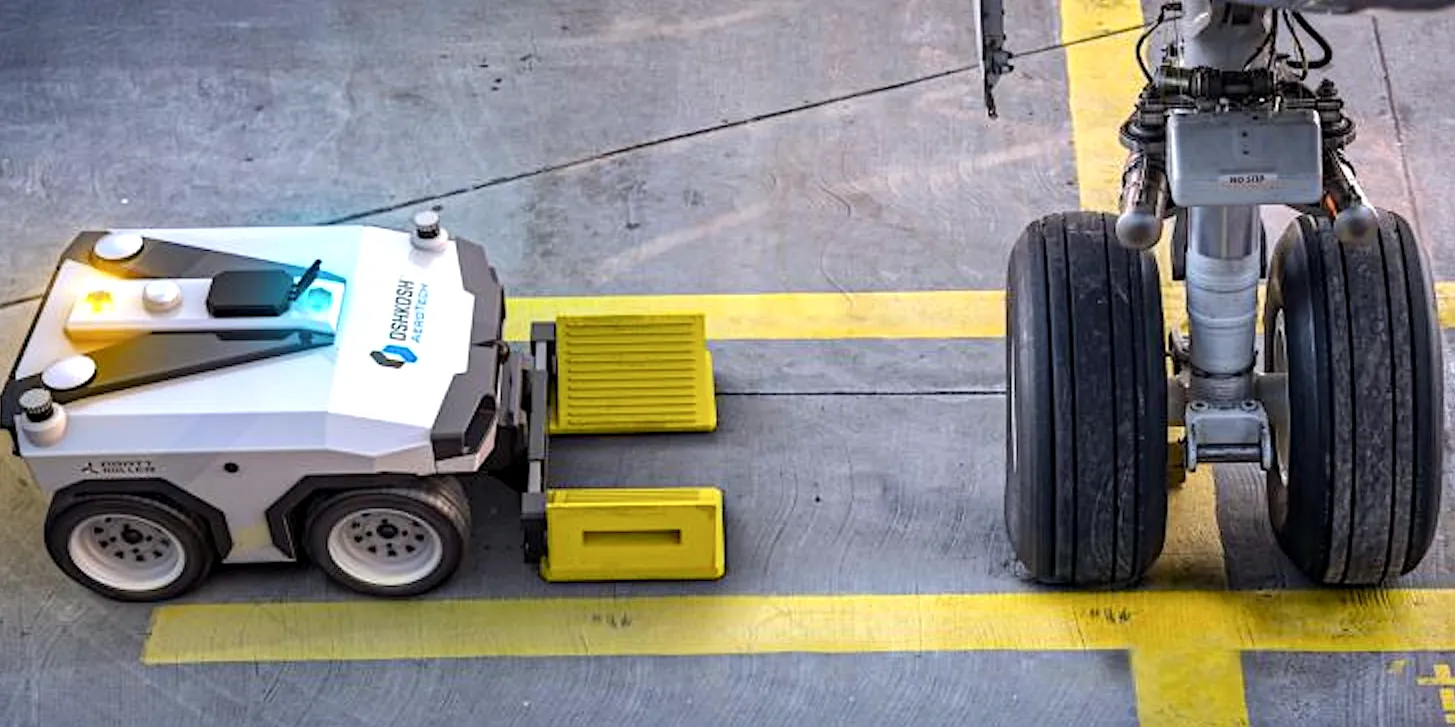
One of the more interesting signals in the broader emergency landscape is the move toward electrification and automation even in sectors most people never think about, including airport ground operations. Rising fuel costs and operational pressure are pushing more systems toward battery-backed, electric, and efficiency-focused designs. For preparedness households, that matters because it reinforces a larger truth: electricity is increasingly the backbone of modern continuity. Communications, navigation, refrigeration, medical support, work, and situational awareness all depend on it.
But don’t confuse electrification with fragility. Done right, it can make your setup more resilient. A compact solar panel, a LiFePO4 power station, DC-charging options from your vehicle, and low-draw devices can outperform older backup habits built around noise, fuel storage, and single points of failure. The key is realistic load planning. Add up your daily watt-hours. Protect your charging paths. Test your system under bad conditions, not just on a sunny weekend. If you need one practical takeaway from this week’s mix of advisory notices and disaster lessons, make it this: build a backup power system around the interruptions that follow the alert, not just the alert itself.
That means your next checklist should be brutally simple. Charge early when forecasts turn. Keep core electronics in a waterproof, grab-and-go module. Separate survival loads from comfort loads. Plan for 72 hours minimum, longer if your area faces recurrent fire, coastal, mountain, or volcanic-style disruption patterns. And test the setup where you would actually use it: in the car, in a dark room, during cold weather, with cell service turned off. Gear that only works in perfect conditions is not preparedness gear. It is just expensive optimism.