AAA responded to roughly 33 million roadside assistance calls last year. The National Safety Council estimates that the average driver will experience 3-4 vehicle breakdowns over their driving lifetime. NHTSA data shows that approximately 600 fatalities per year involve stranded motorists struck by passing traffic or exposed to extreme weather after mechanical failure.
Despite this, most vehicle emergency kits sold online are assembled by marketers, not by people who have studied what actually goes wrong on the road. They pack 47 items into a nylon bag, photograph it nicely, and call it complete. Then a family breaks down on I-70 in December at 9 PM and discovers that 30 of those 47 items are useless while three things they desperately need are missing.
This guide is built differently. We analyzed AAA’s published breakdown category data, NHTSA stranded motorist reports, and long-haul trucker checklists to assemble a vehicle kit organized around the problems that actually occur, in the order they actually occur.
The Top 5 Breakdown Categories (and What Solves Each One)
1. Dead Battery (32% of AAA Calls)
One in three roadside calls is a dead battery. Left headlights on, cold weather sapped the charge, old battery failed, or the alternator died. Traditional advice says carry jumper cables. But jumper cables require a second vehicle, a willing stranger, and both drivers knowing how to connect them without shorting something. At night, in rain, on a highway shoulder, this process is genuinely dangerous.
A lithium jump starter eliminates the second vehicle. Modern units weigh under 2 pounds, fit in a glove compartment, and start a V8 engine in under 10 seconds. Most include USB ports, so they double as a phone charger. Some include an air compressor for flat tires. This single device solves the most common roadside problem without any assistance from strangers.
What to buy: A jump starter rated 1,000+ peak amps with USB-C output and an integrated LED flashlight. Charge it every 3 months. Replace it every 3-4 years as lithium cells degrade. Budget: $50-90.
2. Flat Tire (28% of AAA Calls)
The second most common call. Modern cars increasingly ship without spare tires to save weight and trunk space. If your vehicle does not have a spare, you need a tire inflator and sealant kit, which handles punctures up to 1/4 inch. If your car has a spare, you still need a working jack and a lug wrench that fits your wheel nuts (factory-supplied lug wrenches are often inadequate for over-torqued lug nuts).
What to buy: A 12V tire inflator with built-in pressure gauge (plugs into your jump starter or cigarette lighter). A can of tire sealant. And verify right now whether your vehicle has a spare tire, jack, and wrench. Many owners discover the answer is “no” at the worst possible moment.
3. Lockout (14% of AAA Calls)
Locked out of the vehicle with keys inside, or key fob battery dead. The fix is not a kit item, it is a habit: keep a spare key in your wallet or give one to someone who lives within a reasonable drive. For key fob failures, carry a CR2032 battery (the most common fob battery) in your glovebox.
4. Fuel/Charge Depletion (8% of AAA Calls)
Ran out of gas or the EV range hit zero. For gas vehicles, a small gas can is impractical and hazardous to store long-term. The real fix is the phone: you need enough battery to call roadside assistance or use a navigation app to find the nearest station. This circles back to having a USB charger and a charged jump starter/power bank in the car.
For EV drivers: keep a list of charging stations on your route printed (not just in the app), and maintain at least 15% buffer in cold weather when range drops significantly.
5. Mechanical Failure (11% of AAA Calls)
Engine overheating, transmission failure, broken belt. You cannot fix these roadside. What you need is to survive the wait safely: visibility (reflective triangles or flares), warmth (if it is cold), hydration (if it is hot), communication (phone charged), and protection from traffic.
Watch: A Real-World Vehicle Emergency Kit Walkthrough
This practical walkthrough from Tony’s Project Garage shows how an experienced driver organizes essential emergency items for road trips and daily driving, including mounting solutions that keep everything accessible without cluttering your cargo space:
The Vehicle Kit, Organized by Priority
Tier 1: Solve the Problem (keep in trunk/cargo area)
| Item | Solves |
|---|---|
| Lithium jump starter (1000A+) | Dead battery + phone charging + flashlight |
| 12V tire inflator | Slow leak, low tire, flat repair support |
| Tire sealant (x2 cans) | Puncture repair without changing tire |
| Basic tool roll (pliers, screwdriver set, adjustable wrench, duct tape, zip ties) | Minor mechanical fixes, hose clamp tightening, loose panel reattachment |
Tier 2: Survive the Wait (keep in trunk/cargo area)
| Item | Solves |
|---|---|
| Reflective warning triangles (set of 3) | Prevents rear-end collisions, visible 500+ feet at night |
| Reflective safety vest | Makes you visible when outside the vehicle at night |
| Emergency blankets (x4) | One per seat. Prevent hypothermia when heat fails |
| 2 liters of water + 4 energy bars | Hydration and calories for a 4-8 hour roadside wait |
| Compact first aid kit | Glass cuts, scrapes, headaches, blisters from walking |
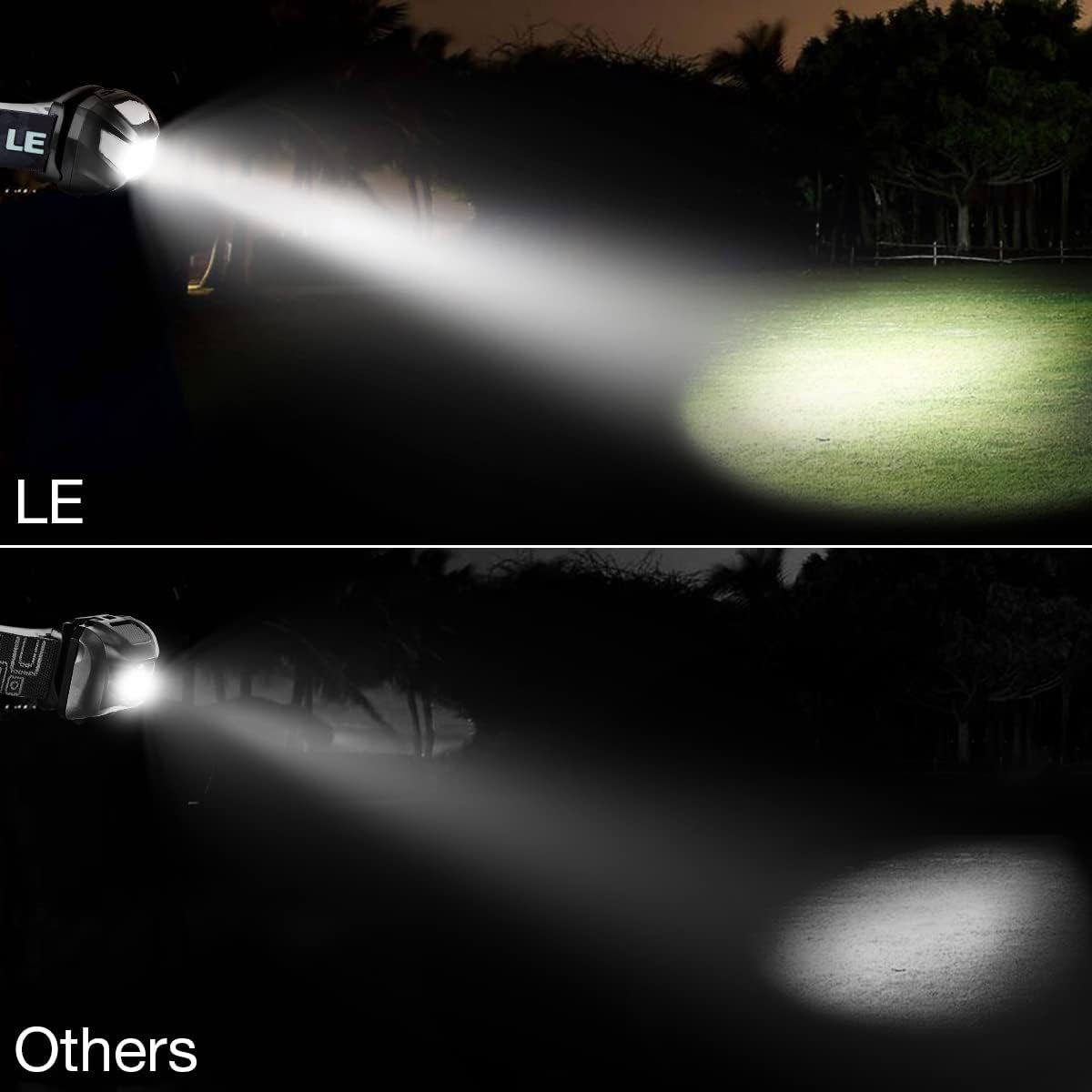
| LED headlamp | Hands-free light for tire changes, engine inspection, walking |
Tier 3: Seasonal Add-ons
Winter (November-March): Small bag of cat litter or sand (traction on ice), ice scraper, wool blanket, hand warmers, extra gloves and hat.
Summer (June-September): Extra 2 liters of water, sunscreen, wide-brim hat, electrolyte packets. Heat stroke while waiting on an asphalt shoulder is a real risk.
Long road trips: Add a NOAA weather radio for areas with spotty cell coverage, a paper map of your route, and a personal water filter if traveling through remote areas.
Where to Store It
The jump starter and USB cable go in the glovebox or center console. Everything else goes in a single bag or container in the trunk. Do not scatter items. In the dark, under stress, you want one bag to grab, not seven items spread across three compartments.
For trucks and SUVs with cargo areas: use a cargo organizer or a sturdy plastic bin strapped to a tie-down point so it does not slide during hard braking.
Maintenance Schedule
- Monthly: Check tire pressure (including spare), glance at water/food expiration dates
- Quarterly: Charge the jump starter (lithium batteries self-discharge 1-2% per month), replace water that has been in a hot trunk for 90+ days
- Annually: Replace energy bars, test the tire inflator, inspect reflective triangles for damage, replace hand warmers if stored over summer
- Every 3 years: Replace the jump starter if it no longer holds a full charge
Deeper Dive: Solar Generators for Extended Vehicle Emergencies
If you frequently drive through remote areas or take extended road trips where a dead battery might mean hours waiting for help, a solar generator adds a level of energy independence that a jump starter alone cannot provide. City Prepping’s comprehensive guide breaks down how to choose the right unit for vehicle-based emergency power:
What Most Vehicle Kits Get Wrong
They pack a compass, a whistle, a rain poncho, a multi-tool with 23 functions, a fire starter, 50 feet of paracord, and a survival guide. These items make the kit look impressive in a product photo. In a real roadside breakdown, you need a jump starter, a tire inflator, reflective triangles, a headlamp, and a way to stay warm. Everything else is weight.
Build your vehicle kit from our emergency preparedness catalog. Start with a jump starter, add thermal protection and lighting, and keep a compact first aid kit in the glovebox. Then actually test the jump starter on your car before you need it.