Here is a scenario that keeps emergency managers awake at night: a wildfire tears through a rural community, knocking out transmission lines, while simultaneously, a coastal storm surge floods the backup generators at the local hospital. It sounds like the plot of a disaster movie, but on April 7, 2026, this wasn’t fiction. While the National Weather Service in Juneau and Anchorage issued simultaneous Small Craft Advisories for Southeast and Southcentral Alaska—warning of 25-knot winds and 8-foot seas—the United States was already logging a new forest fire incident. These concurrent events expose a fragile truth about modern infrastructure: the grid is a single point of failure, and when nature throws multiple punches, centralized power rarely stays standing.
The New Normal: Concurrent Crises Straining Infrastructure
We used to plan for disasters one at a time. You prepared for hurricane season OR fire season OR winter storms. But the data from April 2026 illustrates a shift toward simultaneous, geographically disparate emergencies that stretch resources thin. While Alaska’s coastal waters churned with hazardous conditions—Southeast waters hitting 8-foot seas and the Northern Gulf seeing 25-knot southeast winds—fire crews were mobilizing for a forest fire event in the United States.
This isn’t just about weather; it’s about grid load. When these events happen, the demand for emergency services, communication, and shelter skyrockets. Yet, the infrastructure supporting these responses is often the first casualty. This is where the conversation shifts from simple preparedness to grid independence. If your emergency plan relies on the local utility staying online while the rest of the region is underwater or ablaze, you are betting against probabilities that are rapidly worsening.
AI, Data Centers, and the Hidden Drain on Emergency Power
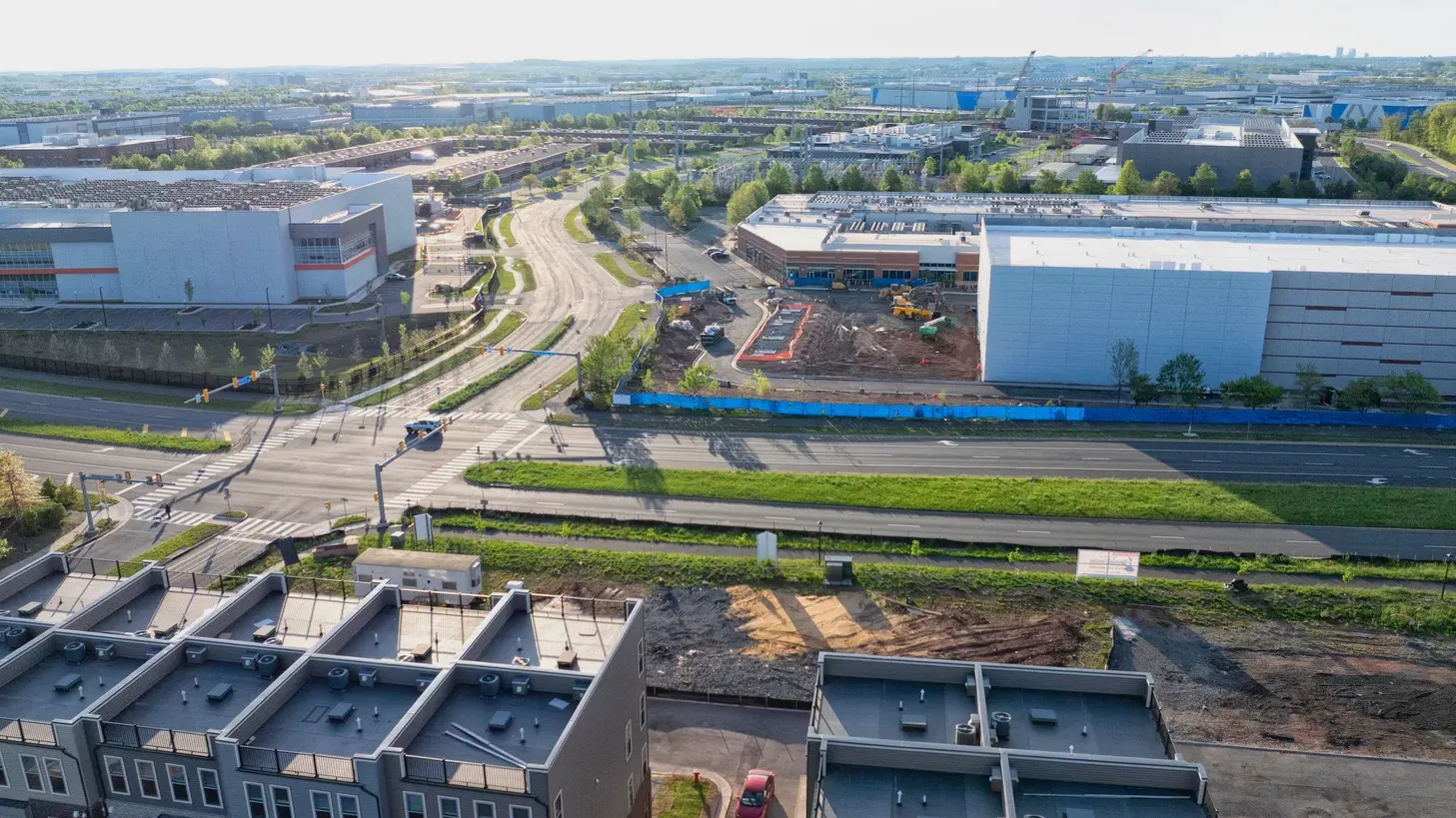
While physical storms batter the coasts, a digital storm is battering the electrical grid inland. Recent analysis on AI infrastructure in the United States highlights a growing tension: data centers are consuming massive amounts of power, creating localized grid stress that leaves less resilience for emergencies.
Experts argue that to maintain a “social license,” data center developers must embrace economic reciprocity and utilities must penalize grid stress. But what does that mean for the average homeowner? It means the grid is becoming less reliable not just because of trees falling on lines, but because baseline demand is spiking. When a forest fire starts—as it did on April 7—the grid is already running hot. A minor disruption can cascade into a major outage faster than ever before.
“To counter a public backlash, data center developers must embrace economic reciprocity while utilities and regulators must design rates that penalize grid stress and reward flexibility.” This insight reveals that grid capacity is a finite resource being fought over by tech giants and residential users alike.
What Alaska’s Marine Warnings Teach Us About Off-Grid Readiness
Let’s look closer at the Alaska alerts. A Small Craft Advisory might seem like a niche boating warning, but for those living off-grid in coastal regions, these forecasts are lifelines. The NWS Juneau forecast predicted 8-foot seas and sustained south winds. For a remote cabin relying on a micro-hydro system or a boat for supply runs, this dictates survival.
The difference between a manageable storm and a catastrophe often comes down to information access. When the grid fails, how do you get that forecast? This is where Field Communication devices become essential. A standard smartphone is useless when cell towers lose power. Off-grid communication tools, like satellite messengers or HAM radios, ensure you receive the NWS alerts that tell you when to secure your solar panels or evacuate before the seas rise to 8 feet.
| Region | Wind Speed | Sea Height | Primary Risk |
|---|---|---|---|
| Southeast Alaska (Juneau) | 15 kt (S) | 8 ft | Capsizing, visibility loss |
| Northern Gulf (Anchorage) | 25 kt (SE) | 7 ft | Structural damage, flooding |
| Fire Zone (US) | N/A | N/A | Grid failure, air quality |
The Fragility of Centralized Response: A Lesson from DR Congo
While physical infrastructure struggles, social infrastructure faces its own battles. In the Democratic Republic of the Congo, the Education Cluster reported ongoing incidents against education as of February 2026. While this might seem distant from a power outage in the US, it underscores a critical principle: when stability fails, essential services are the first to collapse.
In conflict zones or disaster areas, schools and hospitals close, and utilities fail. The lesson for preparedness is that you cannot rely on centralized systems—whether they are schools in Goma or power plants in California—to function during a crisis. Resilience must be decentralized. Just as aid organizations in DRC must adapt to instability, homeowners must adapt to a grid that cannot guarantee safety during multi-front disasters.
Building a Redundant Power Strategy
So, what is the solution? It isn’t just buying a generator. Generators fail. They run out of fuel, they get flooded, and they require maintenance. A true redundant strategy layers multiple technologies.
First, assess your baseline. A common mistake is sizing a solar system for average usage rather than emergency usage. During a forest fire or storm, you aren’t just running a fridge; you are running air purifiers, sump pumps, and communication gear. You need excess capacity.
Second, diversify your inputs. Solar is great, but in Alaska’s winter or during heavy smoke from a fire, panel efficiency drops. Wind or micro-hydro can fill the gaps. Having disaster preparedness supplies means having options, not just a single point of failure.
FAQ
How do Small Craft Advisories relate to land-based power outages?
Small Craft Advisories indicate severe weather systems that often bring heavy rain and wind inland. These are the same systems that fell trees onto power lines and flood substations. If you are in a coastal zone, marine warnings are early indicators that grid failure is imminent.
Can portable solar panels handle emergency loads?
Portable panels are excellent for charging devices and running lights, but they rarely handle heavy loads like well pumps or heaters. For whole-home backup, you need a fixed array with battery storage rated for at least 3-5 days of autonomy.
Why does AI infrastructure affect my emergency power?
Data centers are straining the grid, reducing the buffer available during peak demand or emergencies. This increases the likelihood of rolling blackouts or unstable voltage, making personal battery backups more necessary than ever.
Conclusion
The convergence of forest fires, coastal storms, and digital infrastructure strain creates a complex risk environment that traditional utilities are ill-equipped to handle. The events of April 7, 2026, serve as a stark reminder: when the grid goes down, your safety depends entirely on the preparations you made while the sun was still shining. The question is no longer if the power will fail, but whether you will notice when it does.