Most people assume disasters happen to other people. This optimism bias, the psychological tendency to underestimate personal risk, is the single biggest barrier to emergency preparedness. The consequences of ignoring preparation range from financial hardship to preventable injury and death.
The Statistics
FEMA reports that 60% of American adults have not practiced what to do in a disaster. 39% have not set aside emergency supplies. The average power outage duration has increased 78% over the past decade due to aging infrastructure and intensifying weather. In 2025, 83 million Americans were affected by weather-related disasters, yet fewer than half had a 72-hour supply kit.
Financial Consequences
Without a generator or power station, a 3-day outage spoils $200-600 of refrigerated food. Without flood insurance (not covered by standard homeowners policies), a single foot of floodwater causes $25,000+ in damage. Without an evacuation plan, last-minute hotel rooms cost 3-5x normal rates, assuming availability. Every dollar spent on preparedness saves an estimated $6 in post-disaster recovery costs.
Health Consequences
Contaminated water kills more people after natural disasters than the events themselves. Without a water filtration system, families drink from compromised municipal supplies or untreated sources. Without a first aid kit, minor injuries become infected in unsanitary post-disaster conditions. Without prescription medication backup, chronic conditions become acute within days.
The Psychological Trap
Normalcy bias tells your brain that because everything has been fine so far, it will continue to be fine. This is the same bias that keeps people in evacuation zones until it is too late. Breaking it requires deliberate action: buy one preparedness item this week. Practice one drill this month. Build your kit incrementally over 30 days.
Start Today, Not Tomorrow
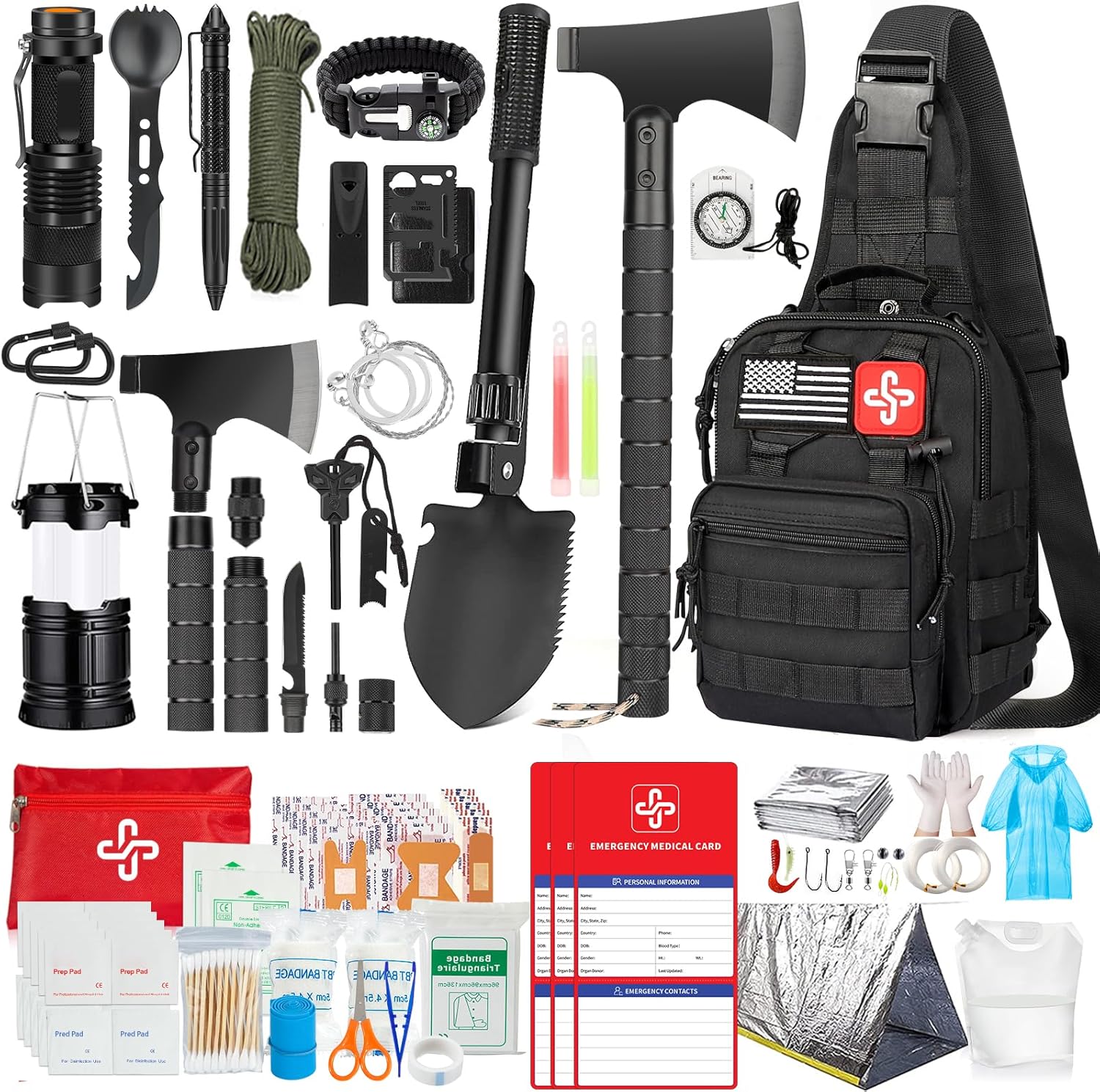
Begin with the three basics: water (1 gallon per person per day, 3-day supply), food (non-perishable, 3-day supply), and light (flashlight or headlamp with extra batteries). This $50 investment covers the minimum threshold that separates prepared households from vulnerable ones.
Explore Emergency Preparedness Equipment
Building real-world readiness starts with the right gear. Browse our curated collections: