
Category: Preparedness Guides

Practical guides for off-grid power, water filtration, first aid, communication, and 72-hour readiness planning.

  • Solar Power for Emergency Backup: A Complete Buying Guide

    Solar Power for Emergency Backup: A Complete Buying Guide

    Solar-powered backup systems have become the most practical renewable energy option for emergency preparedness. Unlike generators that depend on fuel supply chains, solar panels produce electricity silently, indefinitely, and without emissions. This guide helps you choose the right system for your household’s emergency power needs.

    Understanding Your Power Requirements

    Before buying any equipment, calculate your essential load: the devices you must keep running during an extended outage. Common emergency loads include:

    • Phone charging: 10-15 watts
    • LED lighting (3 bulbs): 30 watts
    • NOAA radio: 5 watts
    • CPAP machine: 30-60 watts
    • Mini refrigerator: 50-80 watts
    • Laptop: 45-65 watts

    Total typical emergency load: 170-310 watts. Over 24 hours, that is 4-7.5 kWh of energy needed.

    Portable Power Stations

    For most households, a portable power station in the 1000-2000 Wh range covers 24-48 hours of essential loads. Look for lithium iron phosphate (LFP) chemistry, which offers 3000+ charge cycles compared to 500-800 for standard lithium-ion. Key brands include Jackery, EcoFlow, Bluetti, and MARBERO.

    Solar Panel Selection

    Match your panel wattage to your station’s input capacity. A 200W folding panel recharges a 1000 Wh station in 5-6 hours of direct sun. Monocrystalline panels offer the best efficiency (22-24%) and perform better in partial shade than polycrystalline. Ensure the panel’s voltage and connector match your station.

    System Sizing Guide

    Household Size Station Size Panel Size Runtime
    1-2 people 500-1000 Wh 100-200W 24-48 hrs
    3-4 people 1000-2000 Wh 200-400W 24-72 hrs
    5+ people 2000+ Wh or dual units 400W+ 48-96 hrs

    Maintenance and Storage

    Store your power station at 60-80% charge in a cool, dry location. Cycle it fully every 3-6 months. Keep solar panels in their carry case to prevent scratching. Test the complete system quarterly to ensure connectors, cables, and charge controllers function correctly.

    Explore Emergency Preparedness Equipment

    Building real-world readiness starts with the right gear. Browse our curated collections:

  • The Science of Stress and Fatigue in Emergency Situations

    The Science of Stress and Fatigue in Emergency Situations

    Emergencies trigger a cascade of physiological responses that drain your body and mind far faster than normal daily life. Understanding these mechanisms helps you pace yourself and make better decisions when stakes are highest.

    The Stress Response

    Within seconds of perceiving a threat, your adrenal glands release cortisol and adrenaline. Heart rate increases, blood pressure rises, and non-essential functions like digestion slow down. This acute stress response is useful for immediate danger but becomes destructive if sustained over hours or days, causing headaches, muscle tension, insomnia, and impaired immune function.

    Decision Fatigue

    Every decision during an emergency, from rationing water to choosing an evacuation route, depletes a finite cognitive resource. After dozens of high-stakes choices, your brain defaults to the easiest option, which is often not the best one. Combat this by pre-making decisions through your emergency plan: evacuation routes are pre-mapped, food rationing schedules are pre-calculated, and communication protocols are pre-assigned.

    Hydration and Nutrition Under Stress

    Stress increases metabolic rate by 10-30%, meaning you burn more calories and lose more water through perspiration and rapid breathing. Increase water intake to 1.5x your normal amount during active crisis management. Prioritize calorie-dense foods with balanced macronutrients: nut butters, freeze-dried meals, and energy bars from your emergency food supply provide sustained energy without preparation hassle.

    Recovery Strategies

    • Tactical breathing: Inhale 4 seconds, hold 4, exhale 4, hold 4. Repeat 4 cycles to lower cortisol.
    • Micro-rest: Even 10-minute naps restore partial cognitive function.
    • Task rotation: Alternate mentally demanding tasks with physical ones to rest different brain regions.
    • Social support: Talking through decisions with a partner reduces individual cognitive load.

    Explore Emergency Preparedness Equipment

    Building real-world readiness starts with the right gear. Browse our curated collections:

  • How to Pack a Bug-Out Bag: A Step-by-Step Guide

    How to Pack a Bug-Out Bag: A Step-by-Step Guide

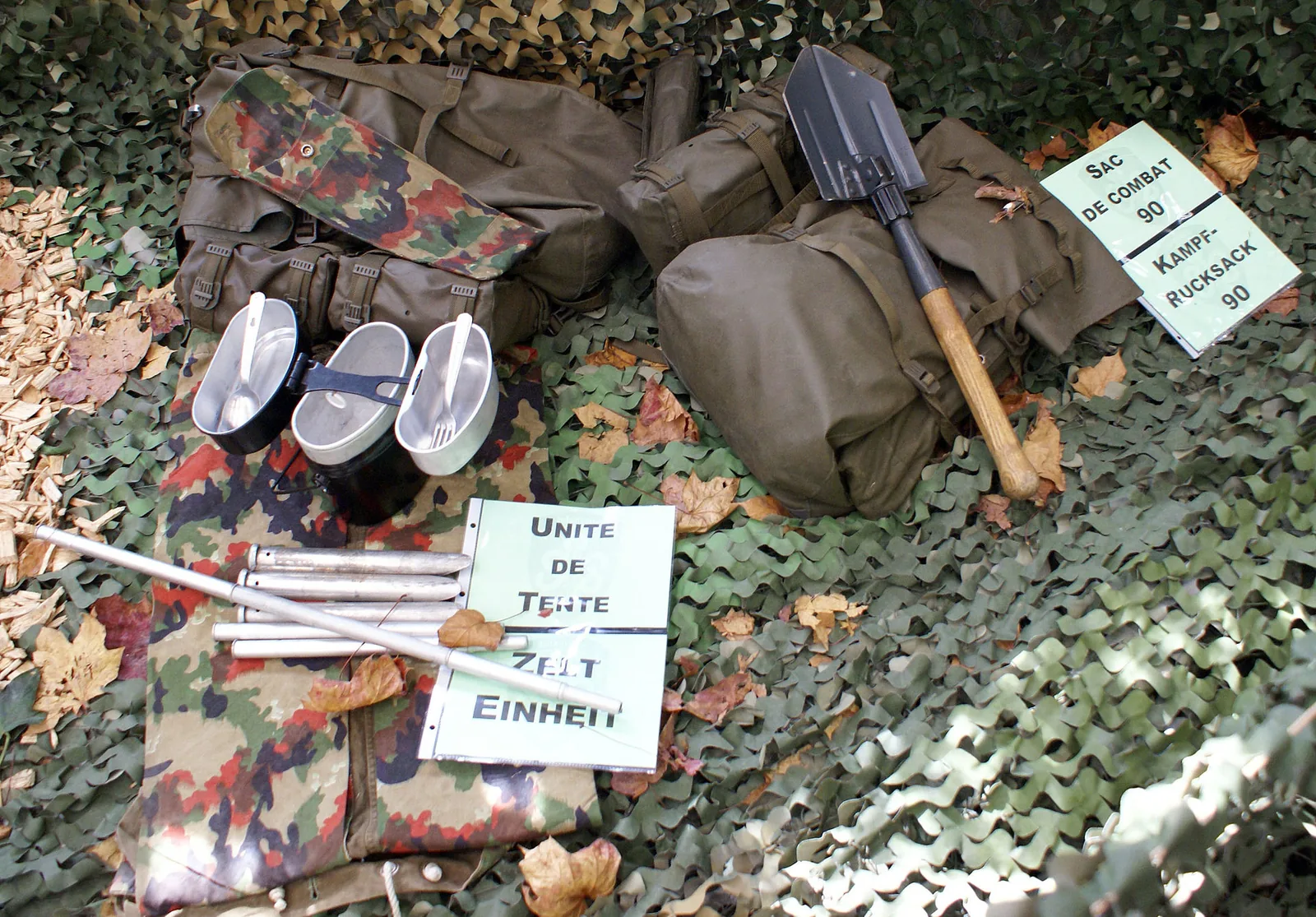
    A bug-out bag (BOB) is a pre-packed emergency kit designed to sustain you for 72 hours during an evacuation. The difference between a well-packed bag and a disorganized pile of gear can determine your comfort, safety, and survival during a crisis. This guide provides a systematic packing method organized by priority layers.

    Layer 1: Survival Essentials (Must Have)

    • Water: 1 liter minimum + portable water filter or purification tablets
    • Food: 3000 calories of non-perishable items (energy bars, freeze-dried meals)
    • Shelter: Emergency bivvy or compact thermal blanket, 50 feet of paracord
    • Fire: Waterproof matches, ferrocerium rod, cotton tinder
    • First Aid: Compact IFAK with tourniquet, gauze, and medications

    Layer 2: Sustainment (72-Hour Comfort)

    • Change of weather-appropriate clothing in a dry bag
    • Headlamp with extra batteries
    • Multi-tool or fixed-blade knife
    • Duct tape (wrap 10 feet around a pencil to save space)
    • Cash in small bills ($200-500)
    • Copies of IDs, insurance, and medical records in waterproof pouch

    Layer 3: Communication and Navigation

    • NOAA weather radio (hand-crank or solar)
    • FRS/GMRS two-way radio
    • Local area map + compass
    • Phone charger + portable power bank (10,000+ mAh)
    • Whistle and signal mirror

    Packing Tips

    Place heavy items (water, power bank) close to your back and centered between shoulder blades. Frequently accessed items (snacks, headlamp, radio) go in outer pockets. Test your pack by walking one mile; if any hotspots or balance issues appear, reorganize immediately. Target total weight: 15-25% of your body weight maximum.

    Maintenance Schedule

    Inspect and rotate food every 6 months. Check batteries quarterly. Update documents annually. Try on your loaded pack every season to confirm it still fits and nothing has degraded.

    Explore Emergency Preparedness Equipment

    Building real-world readiness starts with the right gear. Browse our curated collections:
  • Emergency Food Storage: Shelf Life, Nutrition, and Rotation

    Emergency Food Storage: Shelf Life, Nutrition, and Rotation

    A reliable emergency food supply is one of the three pillars of preparedness alongside water and shelter. But simply buying canned goods and forgetting about them leads to expired, degraded nutrition when you need it most. This guide covers selection, storage conditions, and rotation strategies that keep your food cache ready for years.

    Shelf Life by Food Type

    Food Type Shelf Life Calories/lb Notes
    Freeze-dried meals 25-30 years 1600-1800 Best long-term option, just add water
    White rice (sealed) 25-30 years 1650 Must be stored in Mylar with O2 absorbers
    Canned meat/fish 3-5 years 800-1200 Ready to eat, heavy to transport
    Energy/protein bars 1-2 years 1800-2000 Great for go-bags, rotate frequently
    Peanut butter 2-3 years 2600 Calorie-dense, no preparation needed
    Honey Indefinite 1380 Never spoils if sealed, good energy source

    Storage Conditions

    Temperature is the single biggest factor. Every 10 degrees Fahrenheit above 70F cuts shelf life roughly in half. Store food in a cool (60-70F), dark, dry location. Basements work well if humidity is controlled; garages in hot climates do not. Vacuum-sealed Mylar bags with oxygen absorbers provide the best protection against moisture, oxygen, and light degradation.

    The FIFO Rotation System

    First In, First Out means you consume the oldest items first and replace them with fresh stock. Label every container with the purchase date. Set a phone reminder every six months to check dates, consume approaching items in normal meals, and restock. This ensures your emergency food is always within its optimal nutritional window.

    Nutrition Considerations

    Calorie targets during emergency activity: 2000-3000 calories per adult per day. Ensure your cache includes protein (canned meat, beans, protein bars), fats (peanut butter, olive oil), carbohydrates (rice, pasta, crackers), and vitamins (multivitamin tablets, dried fruit). Morale foods like coffee, tea, chocolate, and hard candy improve psychological resilience during prolonged events.

    Explore Emergency Preparedness Equipment

    Building real-world readiness starts with the right gear. Browse our curated collections:

  • What Off-Grid Living Actually Looks Like in Practice

    What Off-Grid Living Actually Looks Like in Practice

    Off-grid living is often romanticized, but the reality involves careful planning, significant upfront investment, and ongoing maintenance. Whether you are preparing a permanent homestead or a backup retreat for extended emergencies, understanding the daily systems that replace utility services is essential.

    Power: Solar + Battery Storage

    A typical off-grid household requires 5-15 kWh per day depending on climate and lifestyle. A roof-mounted or ground-mounted solar array of 2-5 kW paired with a 10-20 kWh lithium battery bank covers most needs. For smaller setups or emergency backup, multiple portable power stations chained together provide modular, relocatable storage. Critical loads (refrigeration, water pump, lighting) should be on a dedicated circuit with automatic transfer switching.

    Water: Collection, Filtration, Storage

    Without municipal water, your options are well water (requires a pump and electricity), rainwater collection (legal in most states), or surface water filtration. A 500-gallon rainwater cistern with a first-flush diverter and gravity-fed water filter provides a household with 2-3 weeks of water between rainfalls. UV sterilization or chemical treatment adds a secondary purification layer for drinking water.

    Heating and Cooking

    A wood stove provides both heat and cooking capability with locally sourced fuel. Propane serves as a cleaner backup. Solar ovens work surprisingly well in sunny climates for slow-cooking during the day. Never use charcoal, gas grills, or generators indoors due to carbon monoxide risk.

    Communication

    Off-grid locations typically lack cell service. A satellite communicator handles emergency contact. GMRS radios connect with nearby properties. A NOAA weather radio provides critical storm and emergency alerts. Starlink or similar satellite internet now provides broadband in remote areas for $120/month.

    The Learning Curve

    Expect the first six months to involve constant troubleshooting. Batteries behave differently in cold weather, water systems freeze, and solar output drops in winter. Start with weekend practice runs at your off-grid location before committing to full-time residence.

    Explore Emergency Preparedness Equipment

    Building real-world readiness starts with the right gear. Browse our curated collections:

  • Why Automated Emergency Systems Still Need Human Backup

    Why Automated Emergency Systems Still Need Human Backup

    Smart home sensors, automated weather alerts, and AI-driven emergency apps are powerful tools, but they share a critical vulnerability: they depend on electricity and connectivity. When both fail simultaneously during a major disaster, manual backup becomes your only lifeline.

    Where Automation Excels

    Smart smoke and CO detectors send alerts to your phone when you are away. Automated weather apps push tornado and flash flood warnings with hyper-local precision. Smart locks can grant remote access to first responders. Water leak sensors catch pipe bursts before they cause catastrophic damage. These systems save lives and property daily.

    Where Automation Fails

    Every smart device requires power and a network connection. A prolonged power outage disables WiFi routers (and thus all WiFi-dependent devices) within hours unless backed by a portable power station or UPS. Cell tower batteries last 4-8 hours before they go dark. Satellite internet dishes consume 40-100 watts continuously. When all three layers fail, your smart home becomes a collection of expensive paperweights.

    Building Manual Redundancy

    For every automated system, maintain a manual alternative:

    Automated System Manual Backup
    Smart smoke detector Battery-only smoke alarm (10-year lithium)
    Weather app alerts NOAA weather radio (hand-crank)
    Smart lock Physical key (hidden secure location)
    Smart thermostat Manual override + thermal blankets
    Phone GPS navigation Paper map + compass
    Digital medical records Printed copies in go-bag

    The Hybrid Approach

    Use automation as your primary alert and monitoring layer. Use manual tools as your guaranteed fallback. Test both layers quarterly. This redundancy philosophy is the foundation of serious emergency preparedness.

    Explore Emergency Preparedness Equipment

    Building real-world readiness starts with the right gear. Browse our curated collections:
  • Five Emergency Preparedness Drills to Practice at Home

    Five Emergency Preparedness Drills to Practice at Home

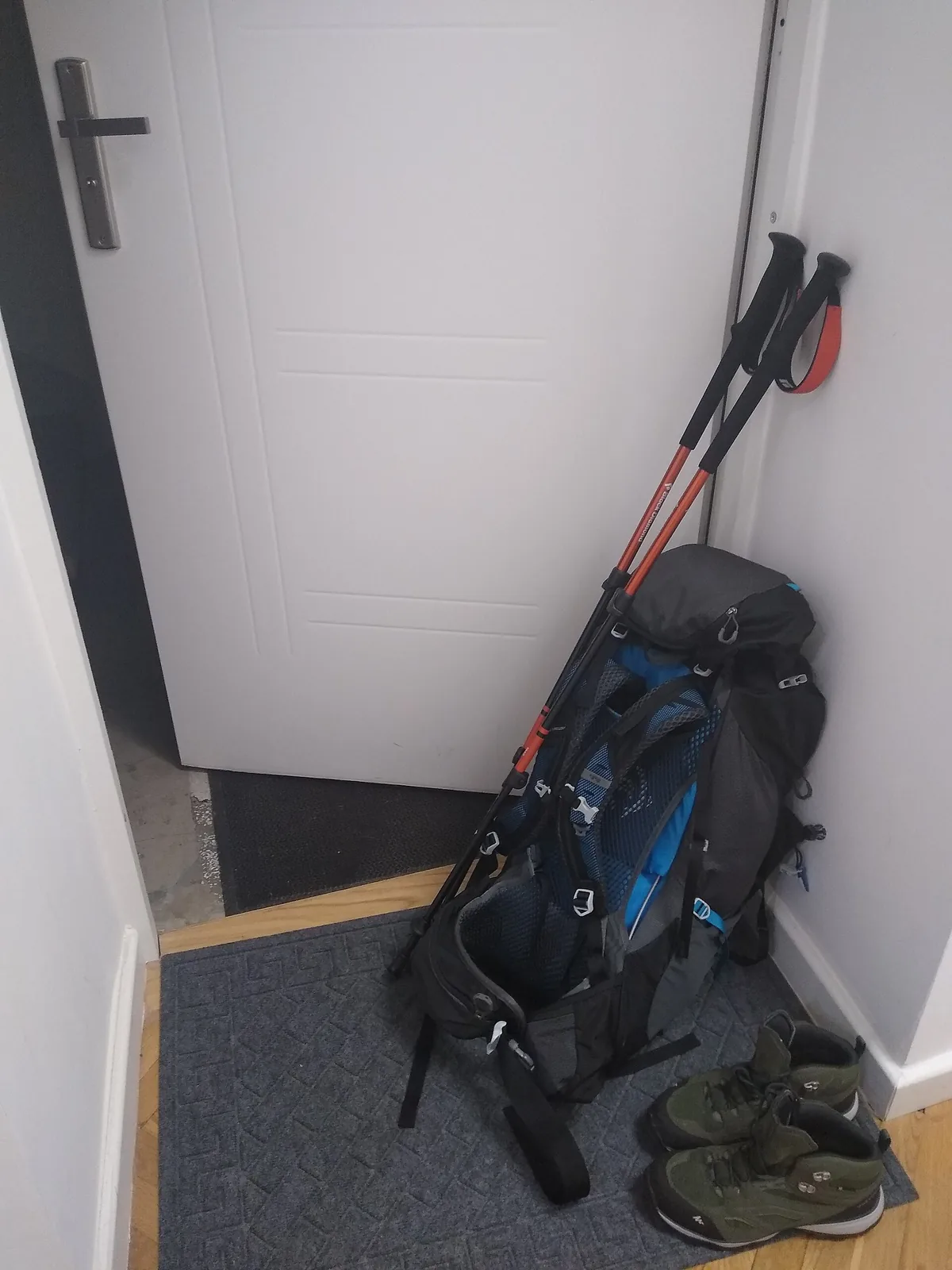
    Owning emergency gear means nothing if your family cannot use it under pressure. Regular drills build muscle memory, expose kit gaps, and reduce panic during real events. These five drills take less than two hours each and dramatically improve your household’s readiness.

    Drill 1: The 15-Minute Evacuation

    Set a timer. Each family member grabs their go-bag, pets, and essential documents, meets at the designated rally point outside your home. Practice both primary and secondary exit routes. Target: everyone out the door in under 15 minutes. Debrief afterward: what slowed you down? What was forgotten?

    Drill 2: The 6-Hour Blackout

    Turn off the main breaker on a Saturday afternoon. Rely solely on your power station, flashlights, and headlamps. Cook one meal without the stove (camp stove, solar oven, or pre-cooked food). Charge phones only from your backup power. Lessons learned: Is your battery capacity sufficient? Do you know where all flashlights are stored?

    Drill 3: Water Purification Test

    Fill a bucket with garden hose water (simulating questionable source water). Run it through your gravity water filter and time the flow rate. Calculate: how long to filter enough water for your family for 24 hours? If the answer is more than 30 minutes, you need a higher-capacity filter or a second unit.

    Drill 4: First Aid Response

    Simulate a scenario: someone has a deep cut on their forearm. Using your IFAK, practice applying a tourniquet, packing a wound with gauze, and calling 911 (use a disconnected phone). Time the response. Target: tourniquet applied within 60 seconds. Every adult in the household should practice this.

    Drill 5: Communication Blackout

    Assume cell phones do not work. Using your GMRS or FRS radios, have family members go to different locations within your neighborhood and establish two-way communication. Test range, channel clarity, and backup battery life. Confirm everyone knows the designated channel and privacy code.

    Drill Schedule

    Rotate through these five drills quarterly, practicing one per month with a rest month between cycles. Log results in a notebook and address gaps within two weeks.

    Explore Emergency Preparedness Equipment

    Building real-world readiness starts with the right gear. Browse our curated collections:

  • How Weather Satellites Changed Emergency Preparedness Forever

    How Weather Satellites Changed Emergency Preparedness Forever

    Before weather satellites, hurricane landfall predictions were off by hundreds of miles and tornado warnings came minutes before impact, if at all. The evolution of orbital weather observation has fundamentally transformed how we prepare for and respond to natural disasters.

    The Early Warning Revolution

    GOES-16 and GOES-18 (Geostationary Operational Environmental Satellites) scan the Western Hemisphere every 30 seconds in mesoscale mode, compared to every 30 minutes with 1990s technology. This 60x improvement means tornado-producing supercells are detected 20-40 minutes before touchdown, giving communities real time to shelter. Hurricane track forecasts are now accurate to within 100 miles at 72 hours, compared to 300+ miles in the year 2000.

    What This Means for Your Preparedness

    More warning time means more preparation time. When a hurricane advisory is issued 72 hours out, you can:

    • Fully charge your power station and battery banks
    • Fill all water containers and test your filtration system
    • Secure outdoor items and board windows
    • Pre-position your vehicle with a full tank and go-bags loaded
    • Verify evacuation route conditions via traffic apps

    Accessing Satellite Data as a Civilian

    You do not need professional equipment to benefit from satellite data. Free resources include:

    • weather.gov: NWS forecasts directly derived from satellite data
    • Windy.com: Real-time satellite imagery, wind patterns, and precipitation forecasts
    • NOAA weather radio: Broadcasts satellite-derived warnings 24/7 on dedicated frequencies
    • RadarScope app: Professional-grade radar data for $10/year

    The Next Frontier

    NOAA’s planned GOES-U series and the European MetOp-SG constellation will further improve resolution and prediction accuracy through the late 2020s. For preppers, this means even more lead time, but only if you have the communication equipment to receive the warnings.

    Explore Emergency Preparedness Equipment

    Building real-world readiness starts with the right gear. Browse our curated collections:
  • Battery vs Generator: The Emergency Backup Power Showdown

    Battery vs Generator: The Emergency Backup Power Showdown

    When the grid goes down, your two main options for backup power are portable battery stations and fuel-powered generators. Each has distinct advantages and critical limitations. This guide compares them across every factor that matters during an emergency.

    Battery Power Stations

    Pros: Silent operation, zero emissions (safe indoors), instant start, solar rechargeable, no fuel dependency, lightweight and portable, minimal maintenance.

    Cons: Limited capacity (500-5000 Wh typical), cannot power high-draw appliances (central AC, well pump, electric stove), slower recharge without grid power.

    Best for: Phones, lights, radios, laptops, CPAP, mini fridges, medical devices. A 1000-2000 Wh portable power station covers essential loads for 24-72 hours.

    Fuel Generators

    Pros: Higher output (3000-10,000+ watts), can power entire home circuits, runs as long as fuel is available, proven technology.

    Cons: Loud (65-80 dB), produces CO (must run outdoors, 20+ feet from windows), requires fuel storage (fire risk, supply chain dependent), needs regular maintenance, heavier.

    Best for: Whole-home backup, well pumps, refrigerators, HVAC, power tools during extended outages.

    Head-to-Head Comparison

    Factor Battery Station Gas Generator
    Noise Silent 65-80 dB
    Indoor safe Yes No (CO poisoning)
    Fuel needed None (solar rechargeable) Gasoline/propane
    Runtime Finite (battery size) Unlimited (with fuel)
    Max output 500-3000W typical 3000-10,000W+
    Maintenance Near zero Oil changes, fuel stabilizer
    Cost (1000W) $300-800 $300-600

    The Best Answer: Both

    Use a battery station for quiet, indoor-safe, daily essential loads. Use a generator for high-draw needs during extended outages. A transfer switch lets you alternate between sources. Solar panels recharge your battery station during the day while the generator rests, extending fuel supply dramatically.

    Explore Emergency Preparedness Equipment

    Building real-world readiness starts with the right gear. Browse our curated collections:

  • Essential Free Emergency Alert Apps Everyone Should Install

    Essential Free Emergency Alert Apps Everyone Should Install

    Your smartphone is your most powerful emergency tool if it has the right apps installed before disaster strikes. These free applications provide life-saving alerts, real-time conditions, and communication capabilities that cost nothing to set up.

    Weather and Alert Apps

    • FEMA App: Official U.S. emergency alerts by location, shelter finder, disaster resource locator, and safety checklists. Sends push notifications for NWS warnings in your area.
    • Weather Underground: Hyper-local forecasts from 250,000+ personal weather stations. Severe weather alerts with more lead time than standard apps.
    • Red Cross Emergency App: Hazard-specific alerts, first aid instructions, shelter locations, and family safe check-in feature.

    Communication Apps

    • Zello: Turns your phone into a walkie-talkie using WiFi or data. Widely used by volunteer rescue teams during hurricanes. Works on minimal bandwidth.
    • Signal: Encrypted messaging that works on extremely low bandwidth. Send text and GPS coordinates when voice calls fail.
    • Google Family Link / Apple Find My: Track family member locations during evacuation. Works with last-known location if connectivity drops.

    Utility Apps

    • GasBuddy: Finds gas stations with available fuel during shortage events. Critical during evacuation when stations run dry.
    • Waze: Real-time traffic and road closure data from other drivers. Invaluable for finding open evacuation routes.
    • Offline Maps (Google Maps or OsmAnd): Download your region’s map while you have connectivity. Navigate without cell service.

    Setup Checklist

    1. Install all apps NOW, not during an emergency
    2. Enable push notifications for FEMA and weather apps
    3. Download offline maps for your county and evacuation route
    4. Add emergency contacts in each app
    5. Keep a portable charger or power station charged to keep your phone alive during extended outages

    Explore Emergency Preparedness Equipment

    Building real-world readiness starts with the right gear. Browse our curated collections:

  • Restoring Your Sleep Schedule During Extended Power Outages

    Restoring Your Sleep Schedule During Extended Power Outages

    Multi-day power outages disrupt your circadian rhythm almost immediately. Without artificial lighting schedules, temperature control, and normal routines, sleep quality degrades rapidly. This guide provides practical techniques to maintain healthy sleep patterns during prolonged grid failures.

    Why Power Outages Wreck Sleep

    Your circadian clock relies on consistent light exposure patterns. When your home goes dark at sundown and there is no alarm clock, screen, or temperature control, your body’s internal clock drifts. Add stress, unfamiliar noises, and temperature extremes, and most people experience 30-50% less sleep than normal within the first 48 hours of an outage.

    Light Management

    Use your headlamp or LED lantern on its lowest warm setting (red mode if available) during evening hours. Bright white light suppresses melatonin production and delays sleep onset. At your target bedtime, switch to total darkness or use a sleep mask. In the morning, step outside into natural sunlight within 30 minutes of waking to reset your circadian cycle.

    Temperature Control Without HVAC

    Summer: Open windows on opposite sides of the house for cross-ventilation. A battery-powered fan connected to your power station (10-20W draw) dramatically improves comfort. Wet a towel and drape it in front of the fan for improvised evaporative cooling.

    Winter: Layer thermal emergency blankets (reflective side facing your body) under your regular bedding. Wear a hat and socks to bed, as extremities lose heat fastest. A hot water bottle filled from a camp stove provides localized warmth for hours.

    Routine Maintenance

    Maintain your normal bedtime as closely as possible. Eat dinner at least two hours before sleep. Avoid caffeine after noon. If anxiety keeps you awake, practice the 4-7-8 breathing technique: inhale 4 seconds, hold 7 seconds, exhale 8 seconds. This activates the parasympathetic nervous system and lowers heart rate within minutes.

    Explore Emergency Preparedness Equipment

    Building real-world readiness starts with the right gear. Browse our curated collections:

  • Why Portable Solar Power Is Now Affordable for Everyone

    Why Portable Solar Power Is Now Affordable for Everyone

    Five years ago, a capable portable solar setup cost $2000 or more and weighed 50+ pounds. In 2026, a complete emergency solar kit, with a panel, power station, and cables, costs under $500 and fits in a backpack. Here is what drove the price revolution and how to take advantage of it.

    The Price Drop Explained

    Three factors converged: lithium iron phosphate (LFP) battery costs fell 60% between 2021 and 2025 due to scaled manufacturing in China. Monocrystalline solar cell efficiency climbed from 18% to 24%, meaning smaller, lighter panels produce the same wattage. And fierce competition among brands like Jackery, EcoFlow, Bluetti, and MARBERO pushed retail prices down 40% in three years.

    What $500 Gets You Today

    A typical budget emergency solar kit includes:

    • Portable power station: 500-600 Wh LFP battery, 600-800W inverter, multiple USB/AC/DC outputs
    • Foldable solar panel: 100-200W monocrystalline, 5-7 lbs, built-in kickstand
    • Complete cable set and carrying case

    This combination recharges fully in 3-5 hours of direct sunlight and sustains phone charging, LED lighting, a NOAA radio, and a small fan for 24-48 hours per charge cycle.

    Who Benefits Most

    Renters who cannot install permanent solar panels. Apartment dwellers with balcony access to sunlight. Frequent campers who want dual-use gear. Anyone in hurricane, tornado, or winter storm zones where multi-day outages are common. The portability means your investment travels with you if you move or evacuate.

    Buying Tips

    1. Choose LFP chemistry over standard lithium-ion for 5-10x longer cycle life
    2. Match panel wattage to station input: check the station’s max solar input spec
    3. Buy from brands with U.S. warranty and support
    4. Look for UL or ETL certification for safety
    5. Test your kit the week it arrives, not during an emergency

    Explore Emergency Preparedness Equipment

    Building real-world readiness starts with the right gear. Browse our curated collections: